 English
 English

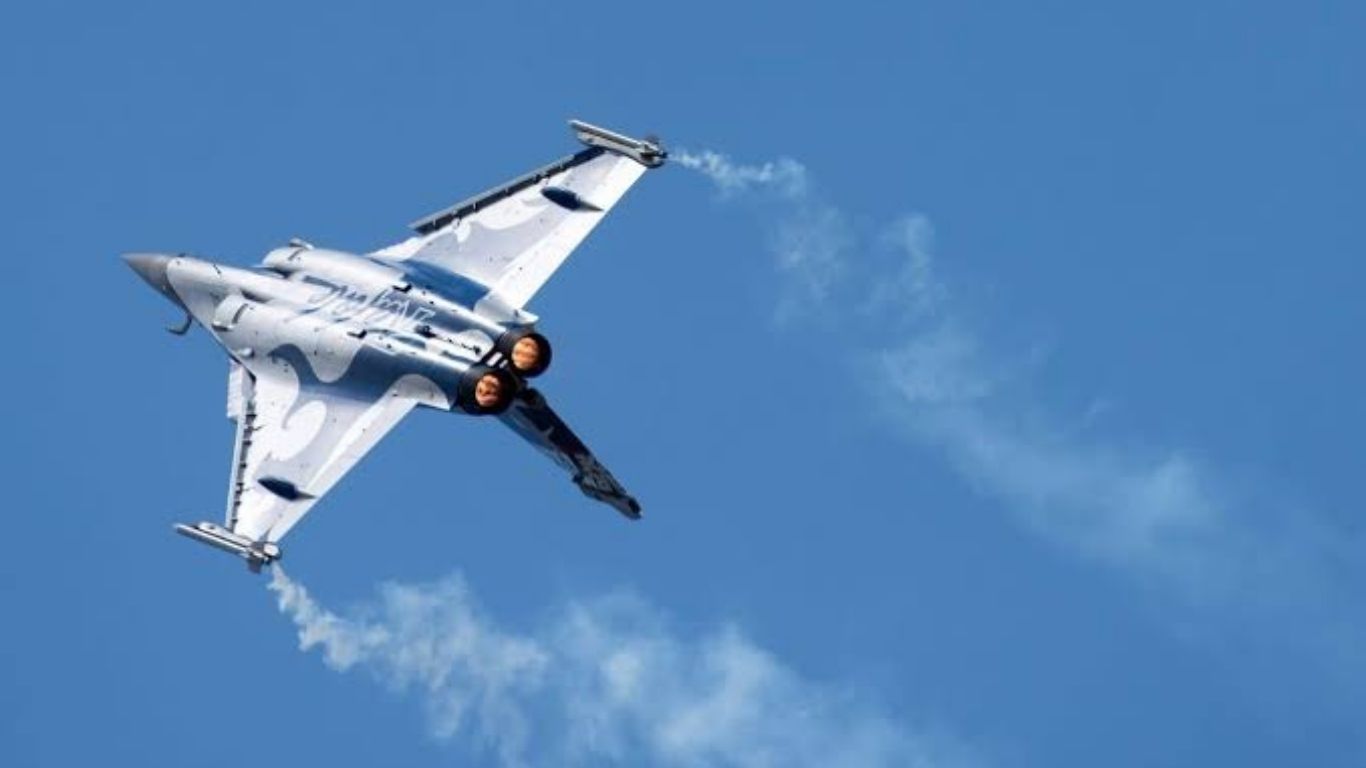
India eyes MRFA deal as IAF seeks fighters (Img: IANS)
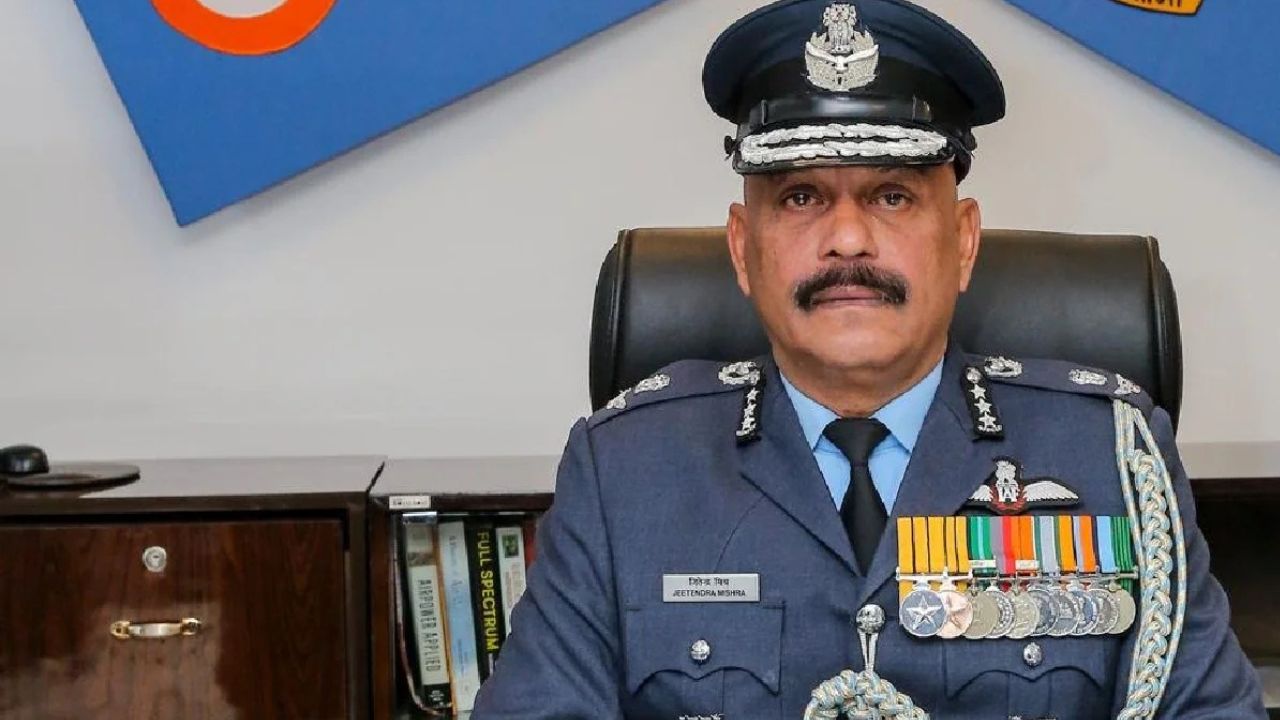
New Delhi: India could finalise the much-awaited Multi-Role Fighter Aircraft (MRFA) deal by the end of the current financial year if the ongoing process progresses as planned, Air Chief Marshal A P Singh said on Saturday.
During a press conference ahead of Air Force Day, Singh said price negotiations and other key issues related to the proposed acquisition were currently being discussed. The deal, estimated at around Rs 3.25 lakh crore, is aimed at strengthening the Indian Air Force’s fighter fleet.
Air Chief Marshal said the agreement could be concluded by the end of the financial year, provided the remaining processes move forward on schedule.
India had cleared the proposal in February to acquire 114 Rafale fighter jets in what would be the country’s largest-ever defence procurement programme.
The proposed acquisition is being pursued through a government-to-government framework with France. The requirement was originally conceived nearly two decades ago as part of efforts to strengthen the IAF’s combat capabilities and address its fighter aircraft requirements.
If the deal is concluded, India’s Rafale fleet would expand significantly.
The IAF already operates 36 Rafale aircraft, while the Indian Navy has ordered 26 Rafale-M jets for deployment from its aircraft carriers. The additional 114 aircraft would take India’s overall Rafale inventory to 176.
The Air Chief Marshal Singh also indicated that the IAF could consider another fighter platform if there are delays in the Advanced Medium Combat Aircraft (AMCA) programme.
Russia has offered its Su-57 fighter to India, although no decision has been taken on the proposal.
"Russia has offered us Su-57 jets, but no decision has been made on it," he said.
The comments come against the backdrop of concerns over the declining strength of India’s fighter squadrons and the time required to induct new aircraft.
Singh said the IAF needs to induct at least 36 to 40 aircraft every year over the next few years to strengthen its fighter fleet.
The requirement is particularly significant as India seeks to maintain adequate air power as part of its overall military preparedness.
Beyond acquiring new aircraft, Singh stressed that modernisation would also require greater use of emerging technologies and stronger domestic defence capabilities.
"We have to have an AI-augmented force," Singh said on modernisation of the force, adding that self-reliance is crucial for overall combat readiness.
The Air Chief also underlined the need for India to develop and manufacture a fighter aircraft engine domestically.
An indigenous engine capability is considered an important part of India’s broader effort to reduce dependence on foreign technology and strengthen domestic aerospace manufacturing.
The proposed Rafale deal could also contribute to this broader industrial push. Defence Secretary Rajesh Kumar Singh said in September that the agreement with France would help India establish a second fighter aircraft production line while supporting greater indigenisation of defence manufacturing.
While India is looking at additional Rafale aircraft, the indigenous Light Combat Aircraft (LCA) Tejas Mark 1A programme will continue, the Defence Secretary said.
"Even as we continue with the Rafale deal, the indigenous LCA Tejas Mark 1A programme will continue. It will be a spiral development model where we increasingly perfect it, fitting in indigenous radars that are better than global peers alongside indigenous weapons," he stressed.
The government’s fighter aircraft strategy therefore involves multiple strands — expanding the existing Rafale fleet, continuing the Tejas programme, developing the AMCA and improving domestic capabilities in areas such as engines, sensors, weapons and artificial intelligence.