 English
 English

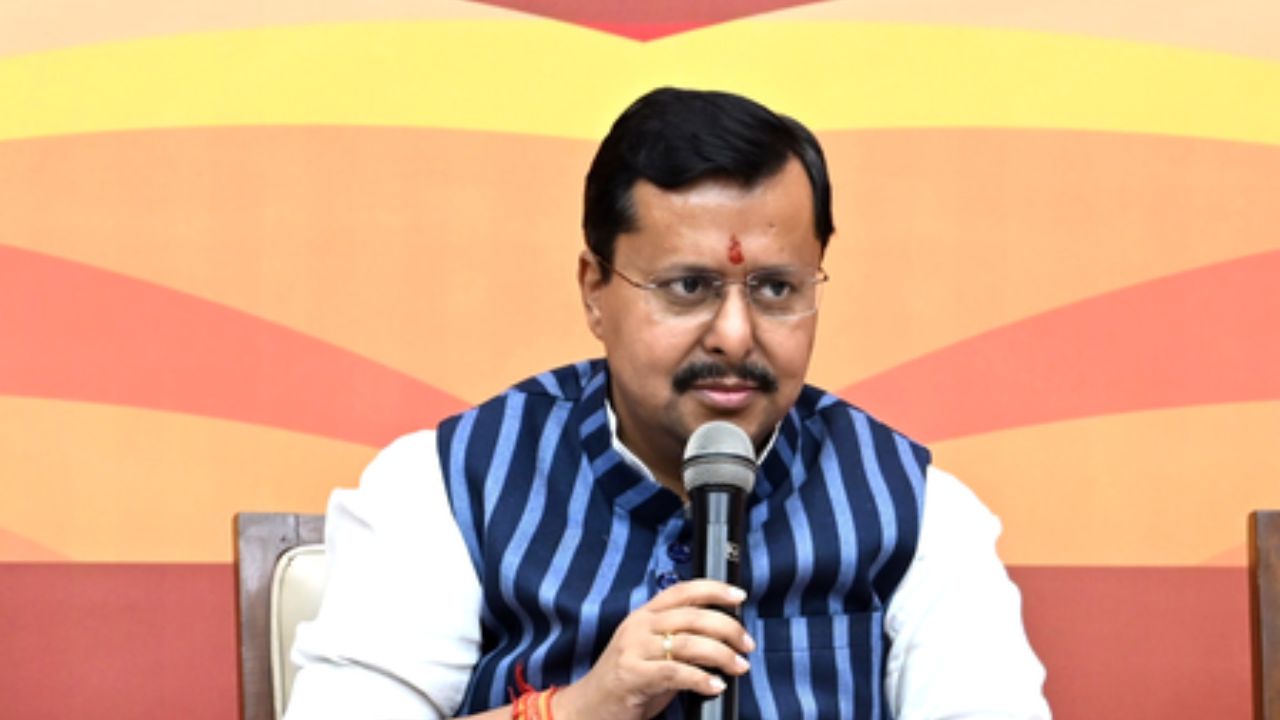
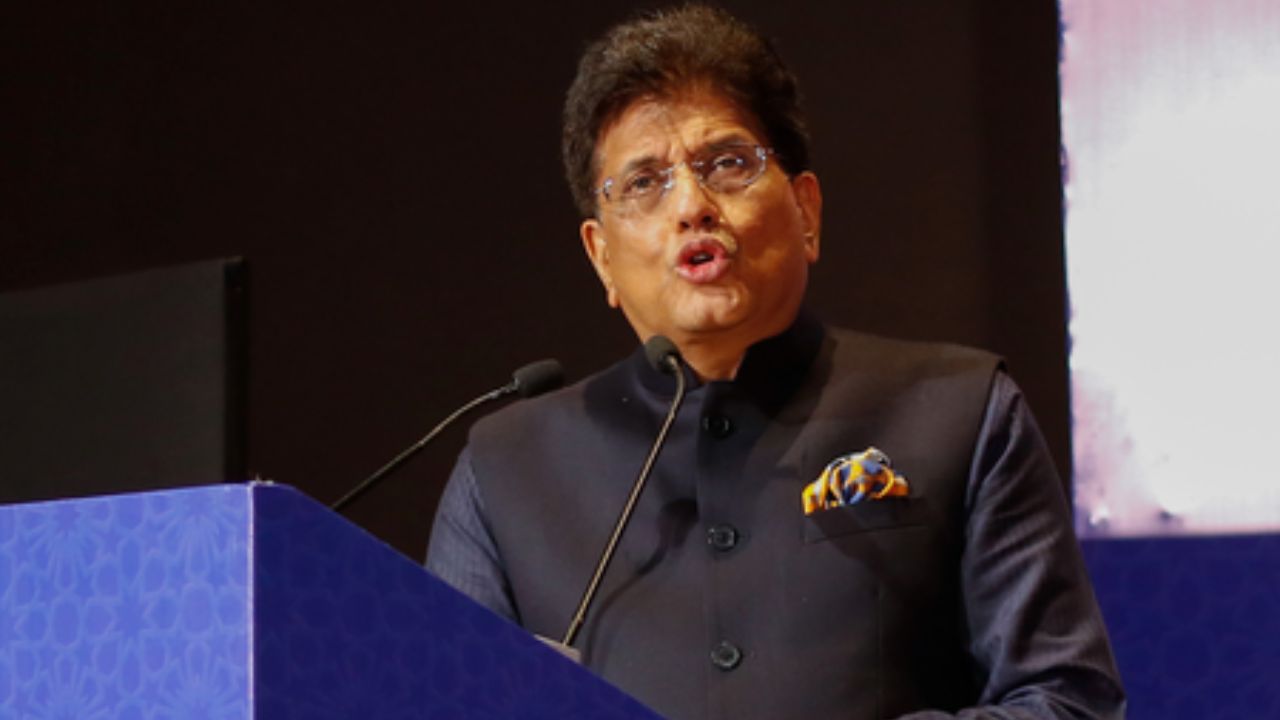
Commerce and Industry Minister Piyush Goyal signals progress in India-US trade negotiations following Washington's revised tariff framework. (Img: X)
New Delhi: India and the United States are moving closer to finalising a bilateral trade agreement, Commerce and Industry Minister Piyush Goyal said on Friday, indicating that the negotiating framework and roadmap for concluding the much-anticipated deal were finally taking shape.
Addressing the India Debt Capital Market Summit 2026 virtually, Goyal expressed confidence that the India-US trade negotiations were approaching their concluding stage. He indicated that the procedural and strategic issues that had previously impeded the finalisation of the agreement were gradually being resolved, bringing the two trading partners closer to a mutually acceptable arrangement.
The minister's assessment comes a day after the Office of the United States Trade Representative (USTR) released its latest tariff framework following the conclusion of two Section 301 investigations involving India and 15 other countries. The proposed tariff structure has introduced a potentially significant development in the bilateral trade negotiations, particularly regarding India's competitiveness in the American market.
According to the latest USTR report, Indian imports could face a proposed tariff of 25 per cent, with the rate potentially capped at 17 per cent if New Delhi and Washington successfully conclude a bilateral trade agreement. Such an arrangement could provide Indian exporters with a competitive advantage over manufacturing and export-oriented economies elsewhere in Asia.
The proposed tariff differential is particularly significant for India's merchandise export sector, which is seeking greater market access, predictable trade conditions and a stronger position in global supply chains. A comparatively favourable tariff arrangement could improve the price competitiveness of Indian products in the United States, one of India's most important trading partners.
Trade analysts believe the latest Section 301 developments could provide fresh momentum to negotiations, potentially accelerating efforts to bridge outstanding differences and establish a clear implementation framework. Goyal had previously indicated that India wanted the American tariff architecture to be finalised before concluding the agreement, while ensuring that Indian exporters were not placed at a disadvantage compared with competing manufacturing economies.
Highlighting India's export performance despite mounting international economic uncertainties, Goyal said the country's exports touched an unprecedented $90 billion in October, marking a new monthly high.
He underscored the significance of the achievement, particularly because several substantive free trade agreements negotiated by India have yet to become operational. The performance, according to the minister, reflects the resilience of Indian exporters, the country's expanding production capabilities and sustained international confidence in India's economic prospects.
The export milestone also comes at a time when global commerce is confronting geopolitical instability, shifting tariff regimes, supply-chain realignments and disruptions to international transportation networks.
On India's trade engagement with the European Union, Goyal indicated that the India-EU Free Trade Agreement was expected to be signed later this year, with the possibility of entering into force by March or April 2027.
The proposed agreement is expected to strengthen India's economic engagement with one of its largest trading partners by facilitating market access, improving trade predictability and creating opportunities for investment and industrial cooperation.
The agreement could open additional avenues for Indian businesses across manufacturing, engineering, textiles, pharmaceuticals, services and other export-oriented sectors. It is also expected to strengthen India's integration into international value chains and support the diversification of its export destinations.
The minister emphasised that India's expanding network of free trade agreements should translate into tangible commercial outcomes, particularly through fresh investments in domestic manufacturing and greater utilisation of preferential market access.
Goyal also expressed confidence that India's combined merchandise and services exports would reach the $1 trillion milestone during the current financial year, notwithstanding geopolitical tensions, international trade disruptions and volatility in global energy markets.
Acknowledging the increasingly unpredictable international environment, he referred to the two ongoing wars, fluctuations in crude oil prices, uncertainty surrounding tariff policies and disruptions affecting maritime and aviation routes.
Despite these external headwinds, the minister maintained that international confidence in India's long-term growth trajectory had remained resilient. He pointed to the country's 7.8 per cent economic growth in the first quarter as evidence of its underlying macroeconomic strength and economic resilience.
He also highlighted the government's continued efforts to expand free trade partnerships and simplify the Goods and Services Tax (GST) framework. According to the minister, short-term fluctuations in international oil prices should not be viewed as determinants of India's long-term economic prospects.
Goyal expressed confidence in India's growth outlook, citing moderate interest rates, strong domestic investment activity and the increasing participation of domestic institutional and retail investors in financial markets.
He noted that domestic investors had stepped up their market exposure even as foreign portfolio investors withdrew funds, reflecting the growing depth and resilience of India's domestic investment ecosystem.
The increasing participation of domestic institutional investors and individual investors is also providing support to capital formation and financial market stability amid global capital-flow volatility.
Turning to India's debt capital market, the commerce minister called upon large corporations, public sector undertakings and infrastructure developers to make greater use of bond-market financing to fund capital expenditure and long-term development projects. He stressed the need to diversify corporate funding sources beyond conventional bank lending and develop innovative financing mechanisms capable of mobilising long-duration capital.
Goyal also urged insurance companies, pension funds, provident funds and mutual funds to increase their participation in long-term debt instruments, particularly those financing infrastructure development and other capital-intensive projects.
Greater institutional participation, he suggested, could improve market liquidity, broaden the investor base and strengthen the availability of stable financing for projects with extended gestation periods.
Emphasising the need for a more efficient trading ecosystem, the minister called for bond-market transactions to become as seamless and instantaneous as equity-market trading. Simplified trading mechanisms, improved liquidity and more efficient settlement systems could encourage wider participation among institutional and retail investors.
He further urged exporters and financial institutions to move beyond the opportunities created by India's expanding free trade agreement network and convert them into concrete investment commitments, particularly in the manufacturing sector.