 English
 English

Jewar Airport Renaming Row: Jairam Ramesh's Nehru Comparison Sparks Political Debate. (Img: X)
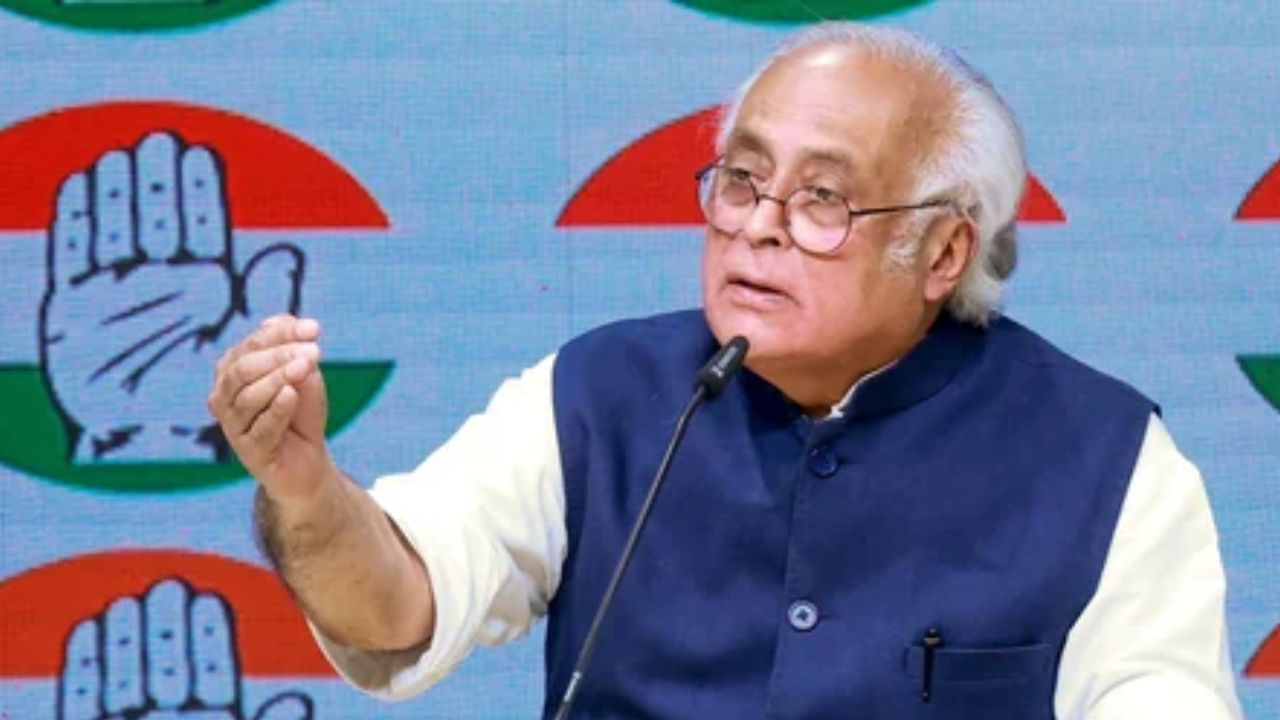
New Delhi: A fresh political controversy has erupted over the reported decision to name Uttar Pradesh’s Noida International Airport at Jewar after Prime Minister Narendra Modi, with senior Congress leader Jairam Ramesh questioning the government’s approach to naming major public infrastructure projects after serving political leaders.
Drawing a historical comparison with India’s first Prime Minister Jawaharlal Nehru, Ramesh highlighted two instances when Nehru reportedly rejected proposals to name prominent public infrastructure after him. The Congress leader also questioned the operational progress of the ambitious Jewar airport project, citing the substantial investment, extensive land acquisition and limited passenger activity.
The development has brought the politics surrounding public infrastructure naming, government achievements and political legacy back into the national discourse, with the Congress seeking to contrast the present government's approach with Nehru's position on institutional recognition.
In a post on social media platform X, Ramesh questioned the reported proposal to rename Noida International Airport as Narendra Modi International Airport, Noida-Jewar. The Congress leader pointed to the airport's inauguration by Prime Minister Narendra Modi on March 28, 2026, and highlighted the scale of the infrastructure project, including Phase I, which covers approximately 3,000 acres acquired amid controversy, and an investment exceeding Rs 30,000 crore.
Despite the scale of the project and the political attention surrounding its inauguration, Ramesh questioned its operational performance, particularly the reported absence of scheduled international flight operations and sluggish passenger traffic.
He argued that the reported renaming had attracted attention even as questions remained over the airport's commercial operations, passenger movement and ability to emerge as a major international aviation hub.
The Congress leader also referred to the Narendra Modi Stadium in Ahmedabad and the Narendra Modi International Airport naming controversy, questioning whether more major public infrastructure projects would be associated with the Prime Minister's name.
ये नोएडा का जेवर इंटरनेशनल एयरपोर्ट है।
नरेंद्र मोदी ने 28 मार्च 2026 में बड़े धूम-धाम से इसका उद्घाटन किया था, खूब हवाबाजी की थी।
लेकिन जनता के करोड़ों रुपए फूंककर बने इस एयरपोर्ट का हाल ऐसा है कि यहां ढूंढने पर भी लोग नजर नहीं आते।
नरेंद्र मोदी सिर्फ अपने PR के लिए देश का बहुत नुकसान कर रहे हैं।
— Congress (@INCIndia) November 24, 2026
To strengthen his argument, Ramesh invoked two historical instances involving Jawaharlal Nehru, highlighting what he described as a contrasting approach towards personal recognition and public institutions.
According to the Congress leader, Nehru declined a proposal in January 1949 to rename Hyderabad's Fateh Maidan after him.
Ramesh also recalled an incident from December 1956, when Nehru reportedly intervened to stop a proposal to rename the Banihal Tunnel in Jammu and Kashmir in his honour.
The Congress leader used these examples to underline the distinction between public infrastructure as an institutional and national asset and the practice of associating such projects with individual political personalities.
The historical references form the central political argument of his criticism, with the Congress seeking to highlight Nehru's reported reluctance to have public assets named after him.
Noida International Airport, located at Jewar in Uttar Pradesh's Gautam Buddha Nagar district, is among the country's significant greenfield airport infrastructure projects. The airport has been developed with the objective of strengthening aviation connectivity across the National Capital Region (NCR), reducing pressure on Delhi's existing aviation infrastructure and creating additional capacity to accommodate growing passenger demand.
Its strategic location is expected to improve connectivity for Noida, Greater Noida, western Uttar Pradesh and neighbouring regions. The project also carries considerable economic significance, with the potential to support logistics, cargo transportation, industrial development, tourism and employment generation.
With substantial investment and large-scale land acquisition involved, the airport has emerged as an important component of Uttar Pradesh's infrastructure development strategy. However, the pace of commercial operations, airline connectivity, passenger traffic and the development of supporting infrastructure will remain important indicators of its long-term performance.
The controversy has also reopened a broader political debate over the naming of public institutions, airports, stadiums and other major infrastructure projects after prominent political leaders. For the Congress, Ramesh's intervention provides an opportunity to question the government's approach to institutional recognition while invoking the political legacy of Jawaharlal Nehru.
The BJP-led government, meanwhile, has consistently projected large infrastructure projects as symbols of India's development ambitions and expanding connectivity. The latest remarks bring these competing political narratives into focus, particularly at a time when infrastructure development and political legacy remain prominent themes in national politics. The debate also raises broader questions about the distinction between the achievements of elected governments, the contributions of individual leaders and the long-term public ownership of national infrastructure.