 English
 English

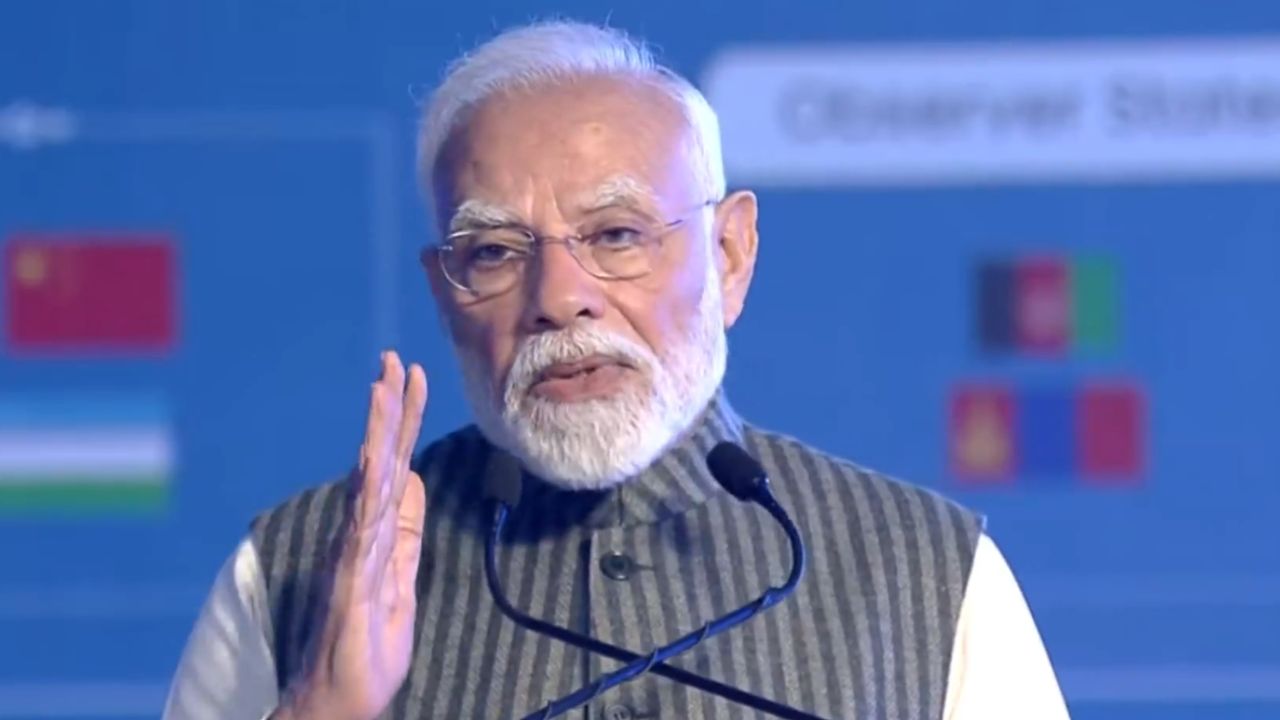
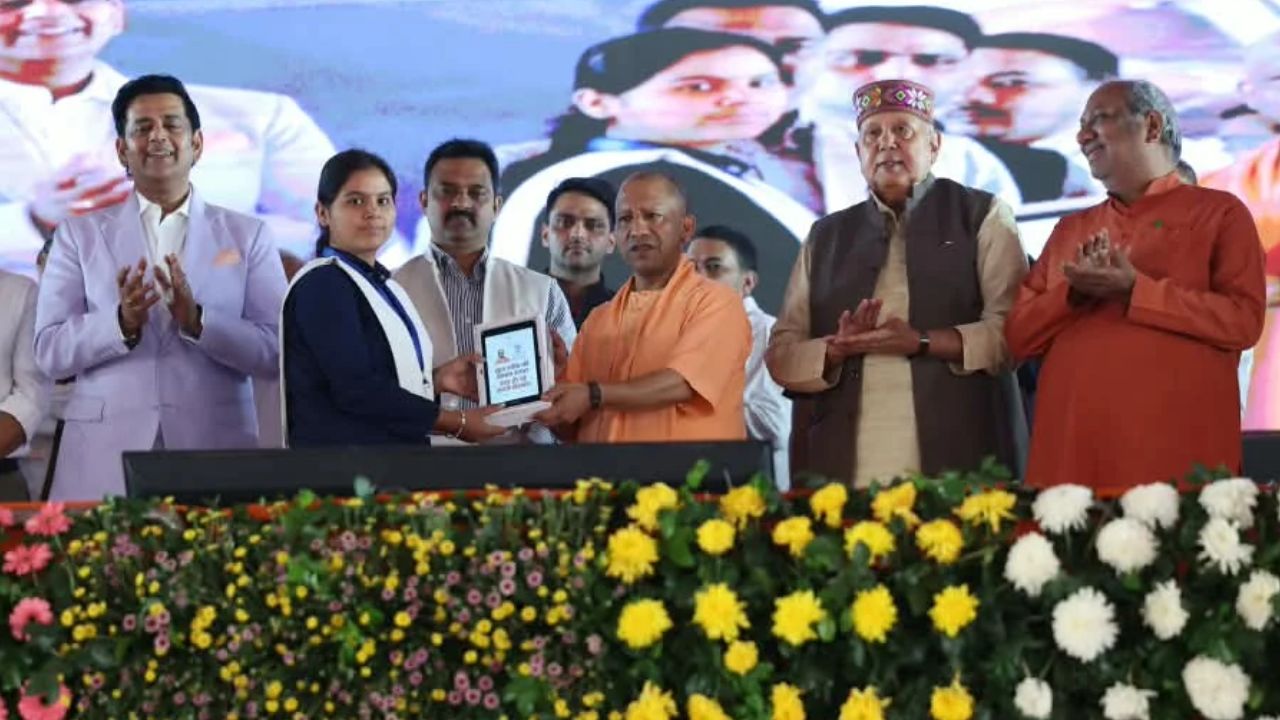
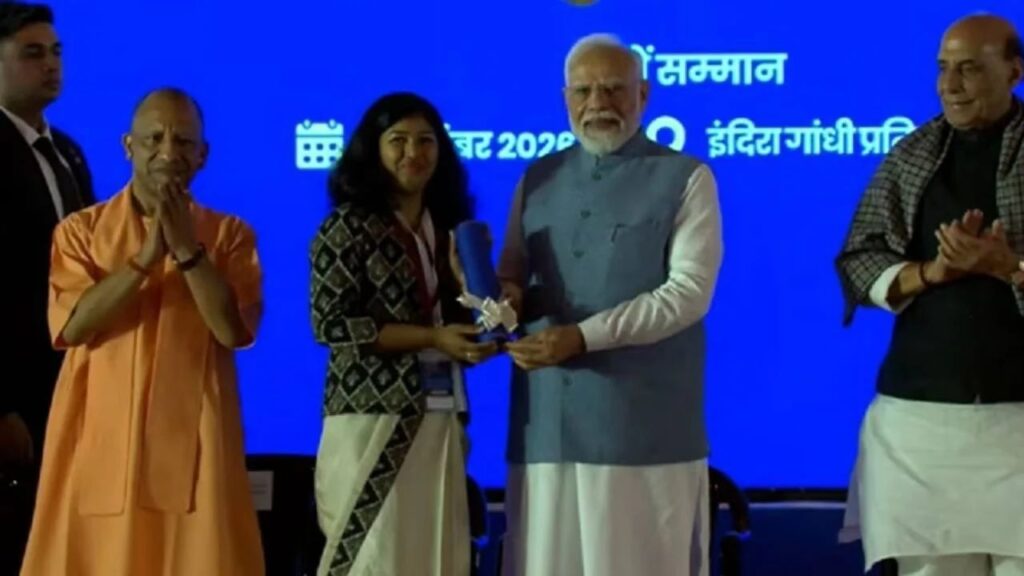
PM Narendra Modi addresses the Skill Convocation Ceremony at Indira Gandhi Pratishthan in Lucknow, highlighting the importance of vocational education. (Img: X)
Lucknow: Prime Minister Narendra Modi on Saturday delivered a significant message on India's skill development agenda, asserting that students are the country's greatest strength and future. Addressing the Skill Convocation Ceremony at Indira Gandhi Pratishthan in Lucknow, he called for ITI students to receive the same respect and recognition traditionally associated with graduates of prestigious Indian Institutes of Technology (IITs).
The Prime Minister described young people trained at Industrial Training Institutes (ITIs) as valuable national assets, emphasising that their technical expertise and practical capabilities would play a crucial role in building a developed India. His remarks have brought renewed attention to vocational education, industry-oriented training and the growing importance of skilled professionals in India's evolving economy.
Modi arrived at the Indira Gandhi Pratishthan in Lucknow's Gomti Nagar to participate in the high-profile skill convocation programme. BJP workers and supporters gathered around the venue, welcoming the Prime Minister with slogans and enthusiasm.
The event was attended by Uttar Pradesh Chief Minister Yogi Adityanath, Defence Minister Rajnath Singh, Union Minister Jayant Chaudhary, both state Deputy Chief Ministers, Skill Development Minister Kapil Dev Agarwal, Minister Manoj Pandey and BJP state president Pankaj Chaudhary.
Certificates were also distributed to young people who had successfully completed their skill development training, marking an important milestone in their professional journeys.
One of the most significant highlights of Modi's address was his emphasis on removing the perceived divide between academic qualifications and vocational expertise.
He stressed that ITI-trained youth possess practical skills essential for industrial development, manufacturing, infrastructure and economic expansion. Thousands of occupations across different sectors require technically trained professionals, making vocational education indispensable to India's growth ambitions.
The Prime Minister argued that skilled graduates should receive the same social recognition and encouragement as students from premier higher education institutions. His message placed renewed emphasis on dignity of labour, technical education and employment-oriented training.
From Lucknow's Chikankari to Kanchipuram silk, PM Modi highlights India's rich heritage of traditional craftsmanship. (Img: X)
Highlighting India's rich craftsmanship, Modi referred to the country's centuries-old traditions of specialised skills and artisanal excellence.
He cited Lucknow's internationally recognised Chikankari embroidery, Banarasi silk, Kanchipuram textiles, cotton craftsmanship, Kalamkari art, bronze work, sculpture and traditional steel craftsmanship.
The Prime Minister emphasised that India's cultural and economic heritage has been shaped by generations of skilled artisans and craftspeople. Recognising and strengthening these traditional occupations, alongside modern technical education, could create fresh opportunities for entrepreneurship, employment and export-oriented industries.
Drawing upon his experiences in Gujarat, the Prime Minister also described a traditional village settlement model in which people possessing different occupational skills formed an essential part of community life.
He highlighted how specialised workers contributed to the functioning and economic sustainability of villages. The example reinforced his broader argument that skilled professionals and traditional occupations have always been fundamental to India's social and economic structure.
The meeting between Modi and Chief Minister Yogi Adityanath also attracted attention during the programme. Following his mother's last rites, Adityanath had returned to Lucknow, where the Prime Minister met him and offered condolences. The two leaders also held a conversation during the event, adding a personal dimension to the high-profile political gathering.
Modi's remarks underline the growing importance of vocational education in India's ambition to become a developed economy. As manufacturing, infrastructure, technology and industrial services expand, demand for trained technicians and specialised workers is expected to remain significant.
ITI institutions can help bridge the gap between educational qualifications and industry requirements by providing practical training and job-oriented skills. Greater social recognition, improved training infrastructure and stronger industry partnerships could further enhance employment opportunities for young people.
The Prime Minister's central message was that nation-building requires more than conventional academic excellence. India's future also depends on the abilities of technicians, artisans, craftsmen and skilled workers whose expertise keeps industries and communities functioning.
The supplied IIT Kharagpur interaction provides an additional social-media-friendly angle, although it is a separate event and should not be presented as part of the Lucknow ceremony. During his visit to IIT Kharagpur for its Platinum Jubilee celebrations, Prime Minister Narendra Modi shared a light-hearted exchange with a student that generated attention.
When the student stood up during the interaction, Modi jokingly clarified that standing up did not mean the student had to contest an election. The student responded playfully that he would certainly contest if given an opportunity. Modi responded with a smile, suggesting that he had found a candidate. The exchange offered a lighter moment during the institutional celebrations and highlighted the Prime Minister's informal interaction with students.