English
 English

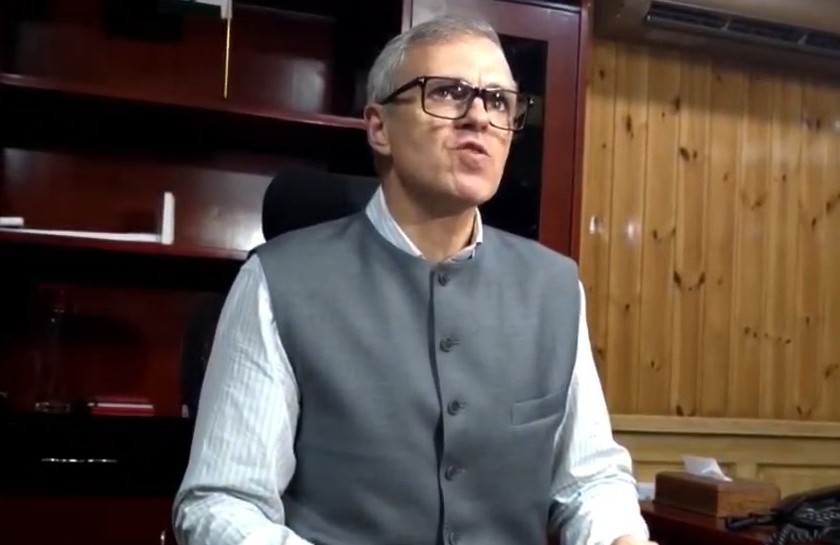
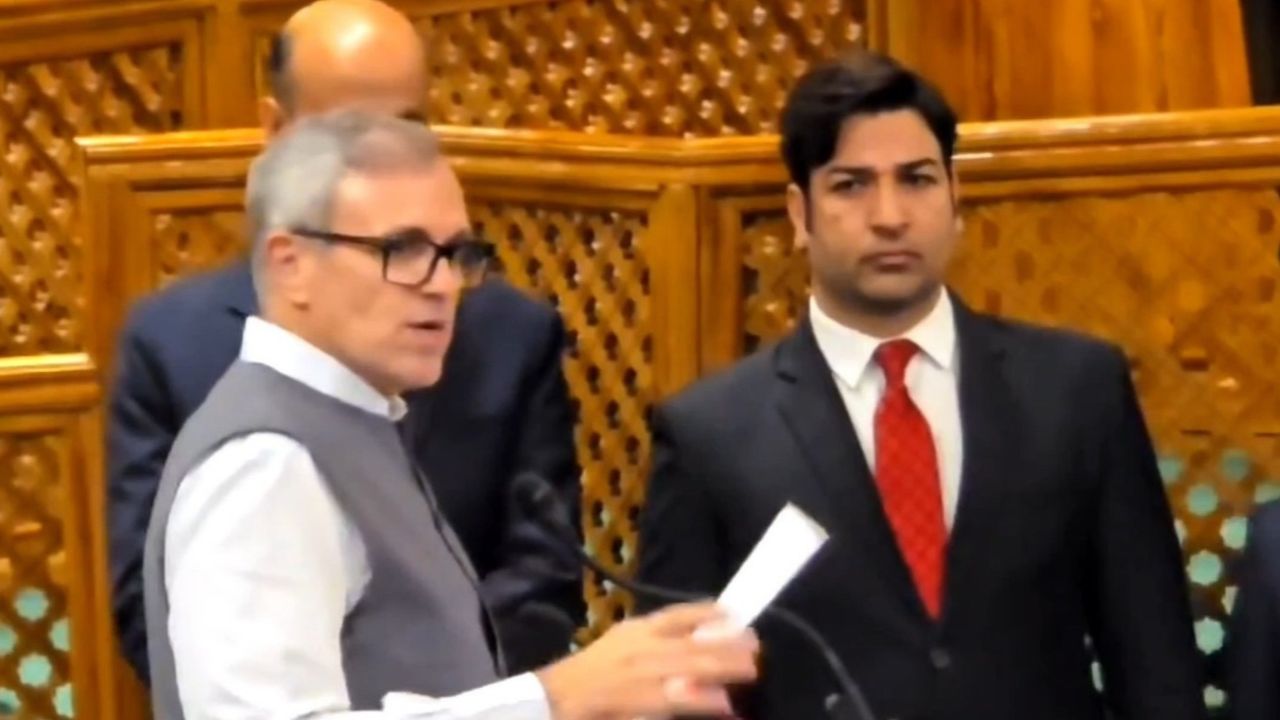
Sajad Lone invokes 1947 while backing J&K statehood resolution (Img: Dynamite News)
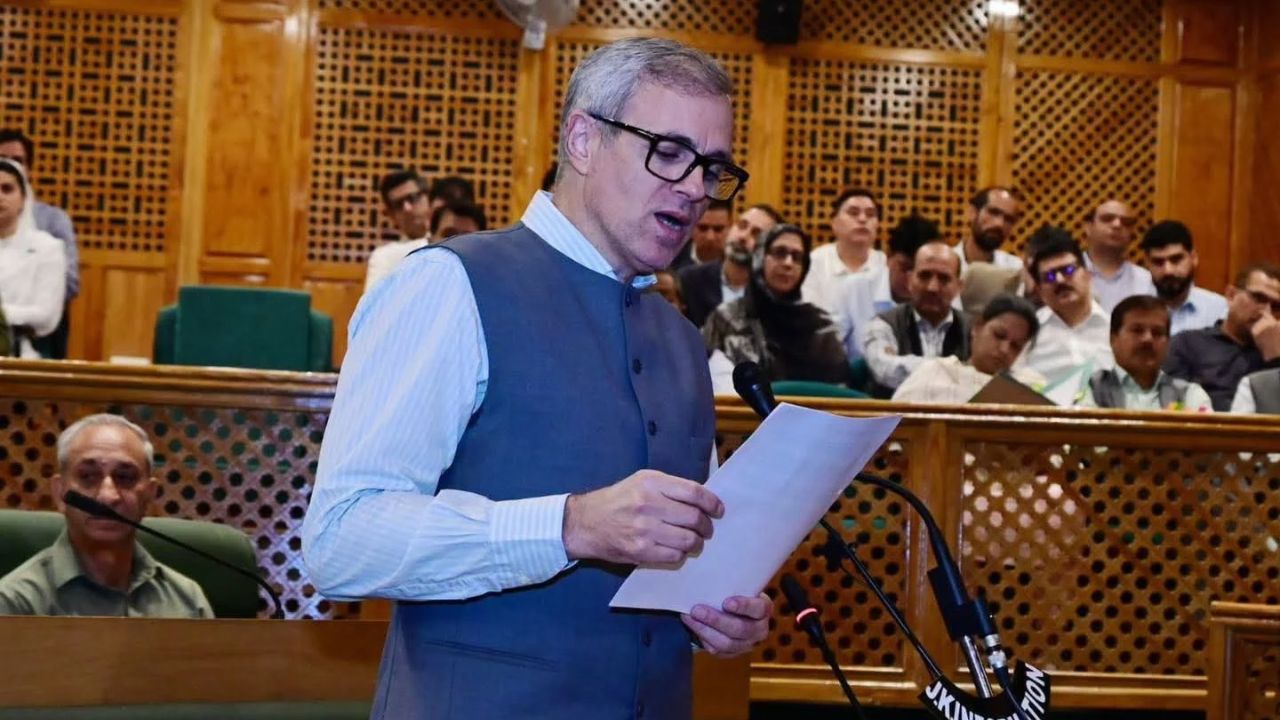
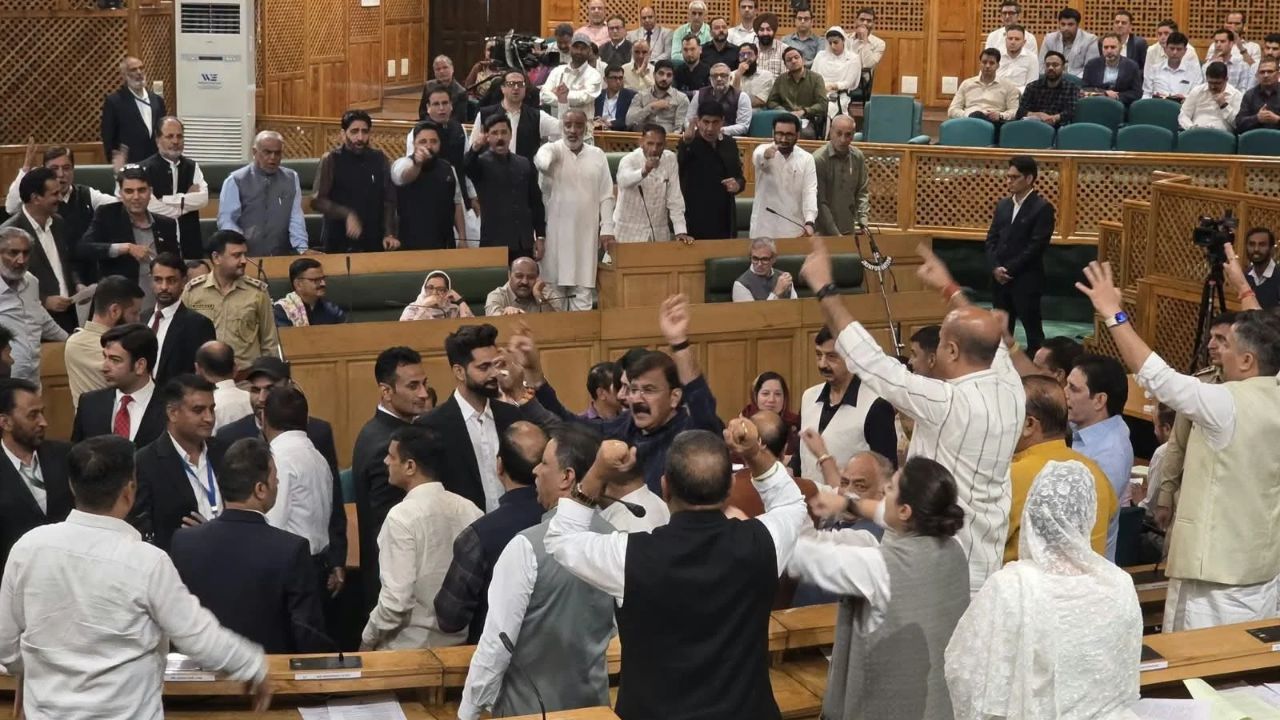
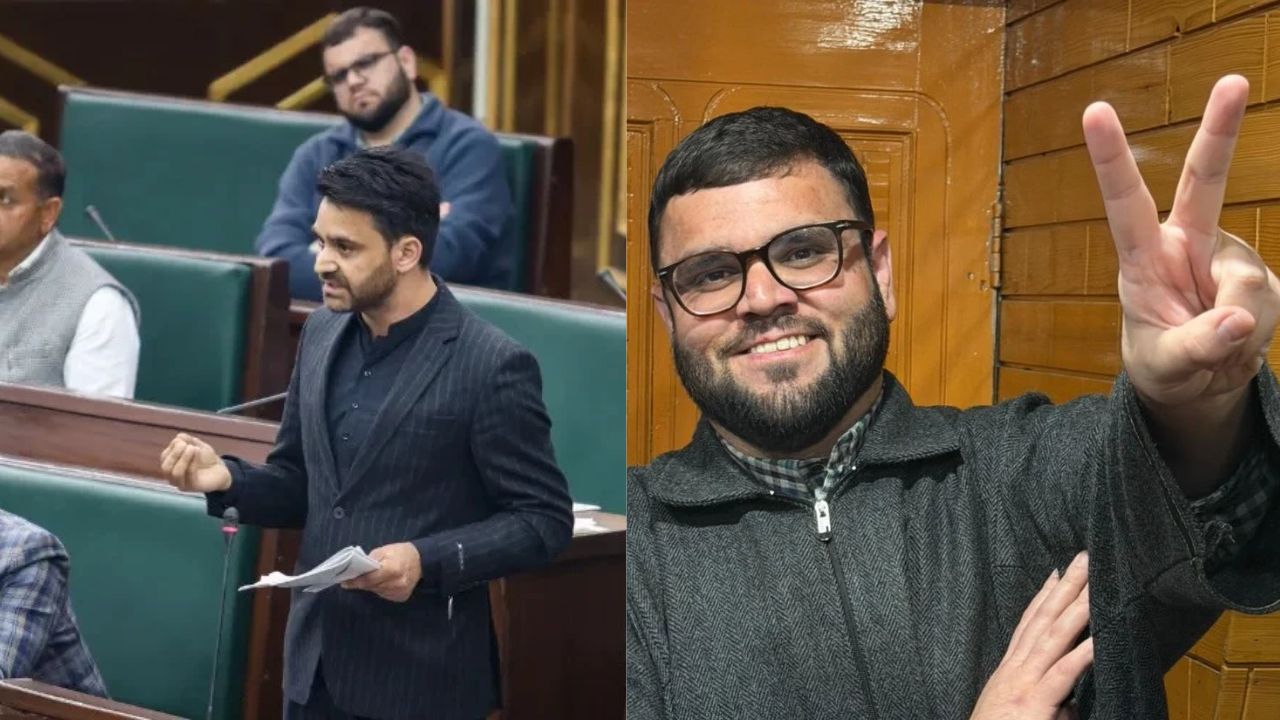
Srinagar: Jammu and Kashmir Peoples Conference president and Handwara MLA Sajad Lone on Monday backed the statehood resolution passed by the Jammu and Kashmir Assembly, but questioned the basis on which the debate was being framed. The Assembly passed the resolution seeking the immediate and urgent restoration of full statehood to J&K amid a walkout by BJP MLAs.
Speaking in the House, Lone said statehood was neither a promise made by Prime Minister Narendra Modi nor by the Supreme Court, but a commitment he linked to the people of Jammu and Kashmir since 1947.
"If we are here today, it is not because of Modi ji's promise or because of the Supreme Court," Lone said in his speech in the Assembly. "We are here in this country because of the promises made to the people of J&K in 1947."
Lone said he had "full respect" for the Prime Minister and the Supreme Court but objected to repeated references to them during the debate. He argued that the historical commitments made to J&K in 1947 should remain the starting point for discussions on its political status.
His remarks drew sharp interjections from the treasury benches when he referred to 1947 and the contribution of Kashmiris to J&K's accession to India.
"We fought, you did not fight," Lone said, asking members to first listen to his argument before responding.
He said the promise associated with 1947 envisaged an "exalted position" for J&K within the federal structure. "The people of J&K will have an exalted status. That they will have autonomy, that they will have the power to make their own decisions," he said.
Lone argued that this position was gradually eroded over the years. " '52 happened, '56 happened, '58 happened, and '65 happened. One by one, they took everything away." He said the process culminated in 2019, when J&K lost its statehood and special status.
Lone said Union Territory status had resulted in power being "snatched away", while describing the transfer of authority to unelected officials as the "UT lottery". He alleged that elected representatives were being sidelined by bureaucrats.
"The IAS officers today do not even pick up the phones of elected representatives here," he said.
He also argued that the conversion of a state into a Union Territory had no parallel under common-law systems. "Wherever common law is followed, nowhere has such relegation occurred," he said. "This is the first place on the entire earth where a state has been relegated to a UT. This is the only one."
On the Supreme Court's role, Lone said petitioners had sought clarity on whether the Union government's decision to convert J&K from a state into a Union Territory was legally permissible.
"The honorabe Supreme Court gave no answer. They just gave a date stating that at the appropriate time, you will be given statehood," he said.
Lone said the absence of a definitive answer left questions about whether such a precedent could apply to other states.
"Even today, we don't know whether this is a precedent, whether the Union Government can relegate any state in India to a UT."
Rejecting the idea that statehood was a favour, he said, "They will give statehood! He is saying it as if he will give it from his own pocket! We will take everything from here!"
Lone concluded by urging the Assembly to use 1947, rather than 2019, as the reference point for discussions on statehood and autonomy.
"We should stop talking about the promises made by the Supreme court in 2019. Our promise is the promise of 1947. That should be the reference point of this Assembly," he said. "We cannot change the context of history. The context of history will remain what it was in 1947."