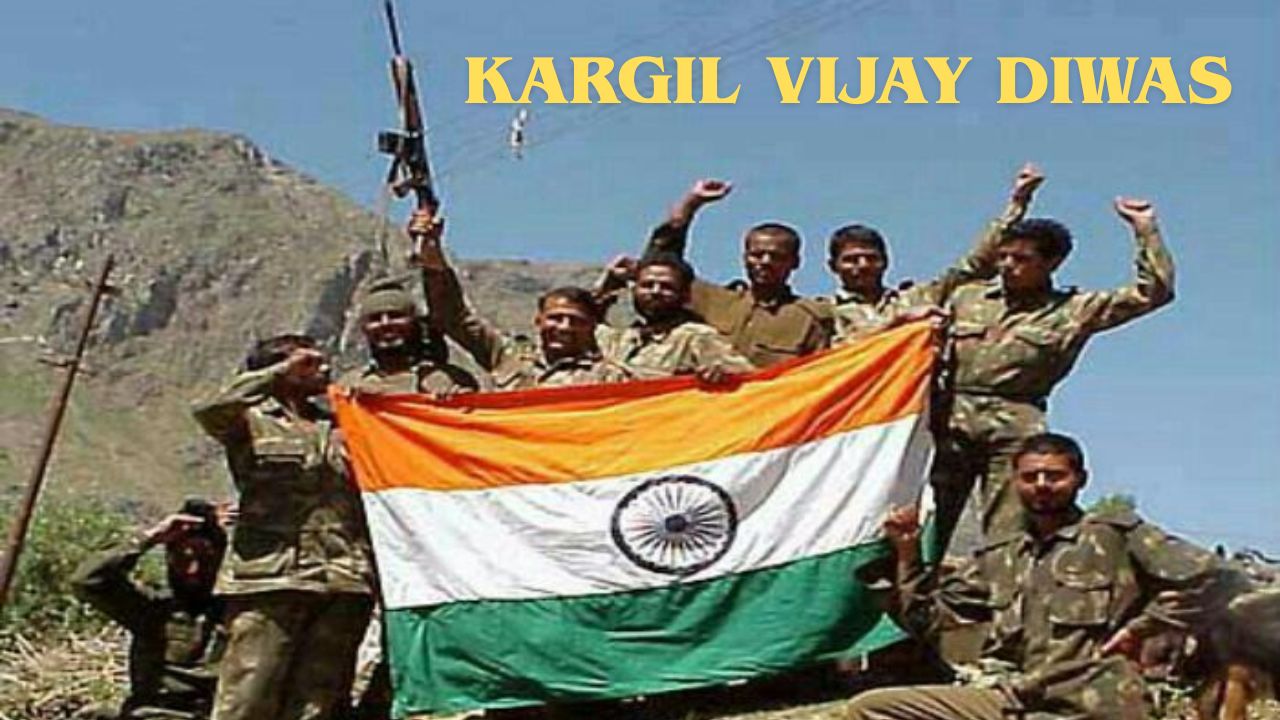
India is commemorating the 27th Kargil Vijay Diwas on Sunday (Img: X)
New Delhi: India is commemorating the 27th Kargil Vijay Diwas on Sunday, marking the victory of the Indian Armed Forces in the 1999 Kargil War and paying tribute to the 527 soldiers who laid down their lives during Operation Vijay.
Observed every year on July 26, the day honours the bravery of Indian soldiers who recaptured strategic peaks in the Kargil sector after Pakistani troops and infiltrators occupied positions along the Line of Control (LoC). Fought between May and July 1999 at altitudes above 5,000 metres, the conflict remains one of the most challenging mountain wars in modern military history.
27 Years After Kargil: Why some Pakistani soldiers remain buried on Indian soil
After reports of infiltration emerged in early May 1999, India launched Operation Vijay to reclaim the occupied positions without crossing the Line of Control. The Indian Air Force supported the campaign through Operation Safed Sagar, while the Navy deployed assets in the Arabian Sea to maintain strategic pressure.
Despite steep terrain, freezing temperatures and enemy positions on dominating heights, Indian troops steadily regained control of key locations including Tololing, Tiger Hill, Point 4875, Batalik and Mushkoh Valley. By July 26, all major objectives had been secured, leading India to declare victory.
The Kargil War exposed shortcomings in intelligence, surveillance and coordination among the armed forces, prompting wide-ranging military reforms over the following decades.
India strengthened joint military planning through the creation of the Chief of Defence Staff (CDS) and the Department of Military Affairs, while significantly increasing defence spending, modernising equipment and encouraging indigenous defence manufacturing under the 'Aatmanirbhar Bharat' initiative.
Also Read: Kargil Vijay Diwas 2025: ‘Table For One’ in IMA Dehradun dedicated to Kargil martyrs; A moving story
The armed forces have since inducted advanced platforms including Rafale fighter jets, INS Vikrant, indigenous artillery systems and modern surveillance technologies, while expanding capabilities in drones, artificial intelligence and precision strike systems.
The heroism displayed by soldiers such as Captain Vikram Batra, Grenadier Yogendra Singh Yadav and many others continues to inspire generations of Indians.
Across the country, Kargil Vijay Diwas is being observed with memorial services, military ceremonies, educational programmes and tribute events. Special commemorative activities, including the Shaurya Vijay Yatra and expeditions to Tiger Hill, are also being organised to honour the sacrifices made during the conflict.
Twenty-seven years later, Kargil remains more than a military victory—it stands as a symbol of courage, sacrifice and India's unwavering commitment to safeguarding its sovereignty.

