 English
 English

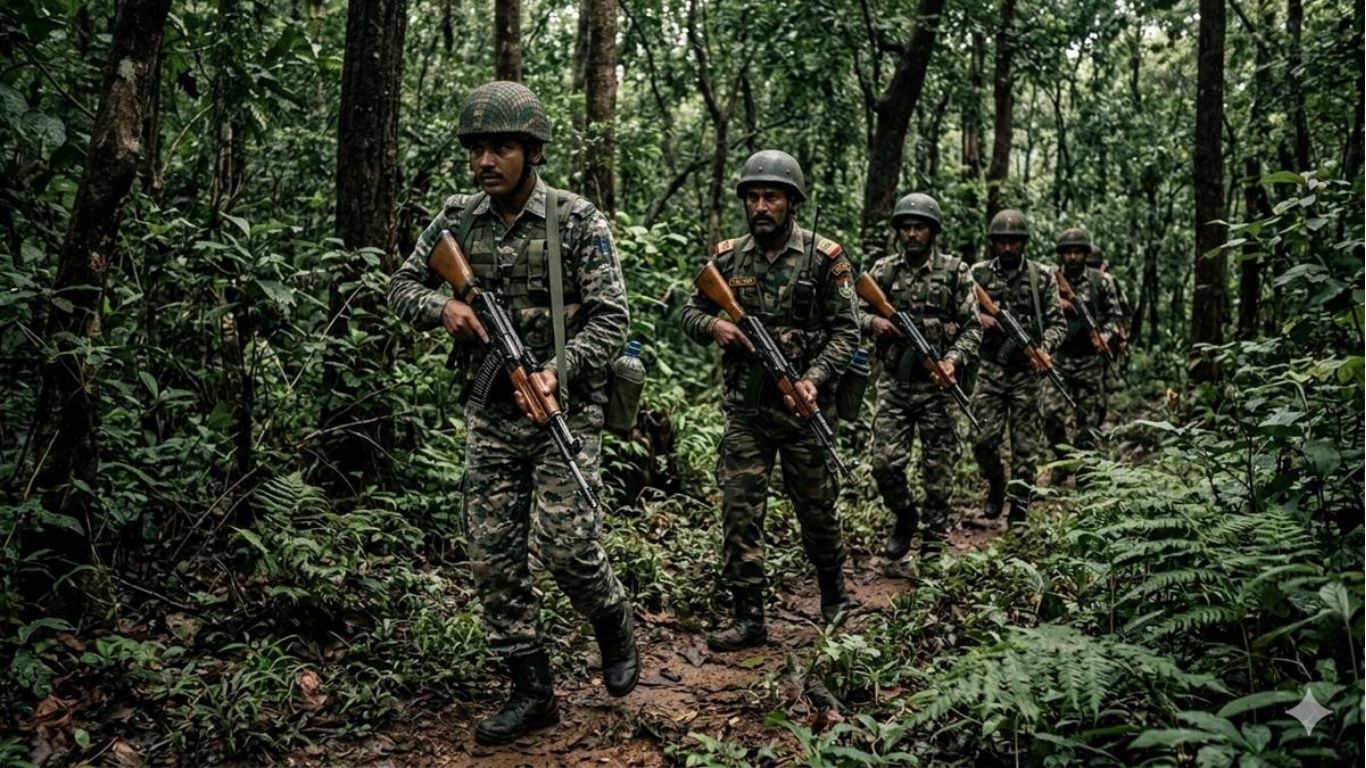
Karigutta`s Story (Img: Google)
Telangana: For decades, the name Karrigutta was associated with fear, violence and the shadow of Maoist insurgency. Hidden deep inside the forests along the Telangana–Chhattisgarh–Odisha border, this rugged terrain was once considered one of the most challenging Maoist strongholds, where security forces operated under constant threat and development remained a distant dream.
But now, the same hills are witnessing a dramatic transformation. After years of counter-Maoist operations, Karrigutta is slowly moving from a conflict zone to a region of connectivity, rehabilitation and development.
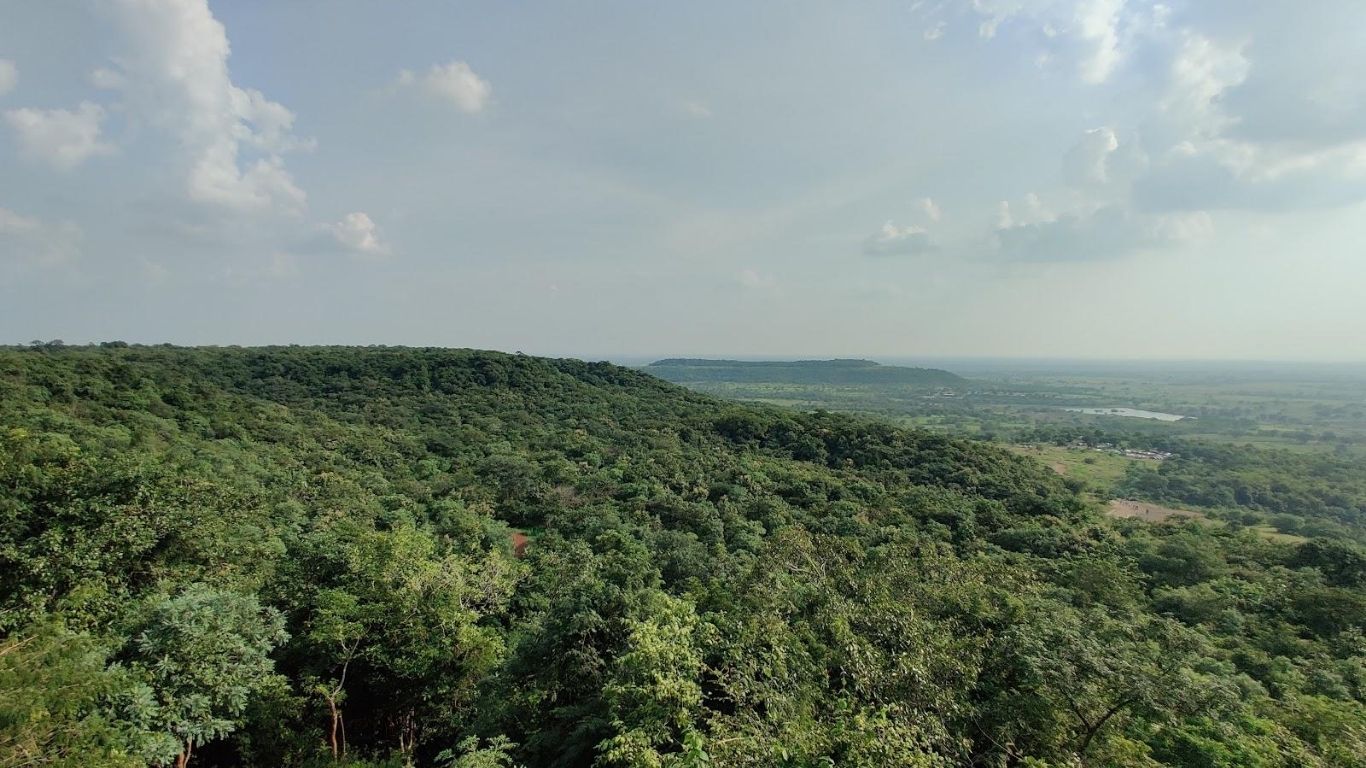
Located in Telangana’s Mulugu district, Karrigutta became a strategic shelter for Maoist groups due to its dense forests, difficult terrain and proximity to state borders. For years, the area remained one of the most sensitive zones affected by Left Wing Extremism.
The presence of armed Maoist cadres, frequent security operations and the lack of basic infrastructure kept the region isolated from mainstream development. For local communities, everyday life was shaped by uncertainty and limited access to essential services.
On Monday, Telangana Director General of Police (DGP) C.V. Anand visited Karrigutta in what officials described as a symbolic moment for the region.
The DGP inspected ongoing road construction works in the remote forest area and unfurled the National Flag. In a powerful symbol of peace, he also released white doves, marking what authorities called the transformation of a once conflict-hit region.
The visit included senior officials from the Police, CRPF, Forest, Revenue and other government departments, highlighting the administration’s focus on development after a decline in Maoist activities.
Addressing the media, DGP C.V. Anand said coordinated operations by Telangana Police, Greyhounds, Special Police Forces, CRPF, CoBRA units and Chhattisgarh Police played a crucial role in reducing Maoist influence in the region.
He said hundreds of Maoists had surrendered during Operation Kagaar, while several senior leaders were eliminated in encounters and others returned to the mainstream.
According to the DGP, only a limited number of top Maoist leaders remain active across the country.
The government’s strategy for Karrigutta is no longer limited to security operations. Authorities are now planning to bring basic infrastructure and economic opportunities to the region.
Road connectivity is being improved, with the Pamuru–Chalamadava road project completed and further blacktopping work scheduled soon. The administration also plans to improve electricity supply, mobile connectivity and other essential facilities.
With its natural landscape and forest surroundings, Karrigutta is also being considered for tourism development, subject to environmental and legal guidelines.
DGP Anand said the Telangana government is implementing rehabilitation measures for surrendered Maoists, including financial assistance, land allocation and livelihood opportunities.
The objective, he said, is to help former insurgents return to normal life and become part of society.
The DGP also praised the contribution of the Central Reserve Police Force (CRPF), whose personnel have been deployed in difficult terrains for years as part of anti-Maoist operations.
He highlighted the dedication of CRPF personnel who continue to serve in remote forests away from their families, playing a key role in restoring stability in affected areas.
Karrigutta’s journey reflects a major shift — from a region once defined by conflict to one seeking a future built around roads, tourism and development.
However, the real challenge ahead will be ensuring that peace reaches every village, infrastructure reaches every household and local communities become equal partners in this transformation.
The forest that once represented fear is now being presented as a symbol of a new beginning.