English
 English

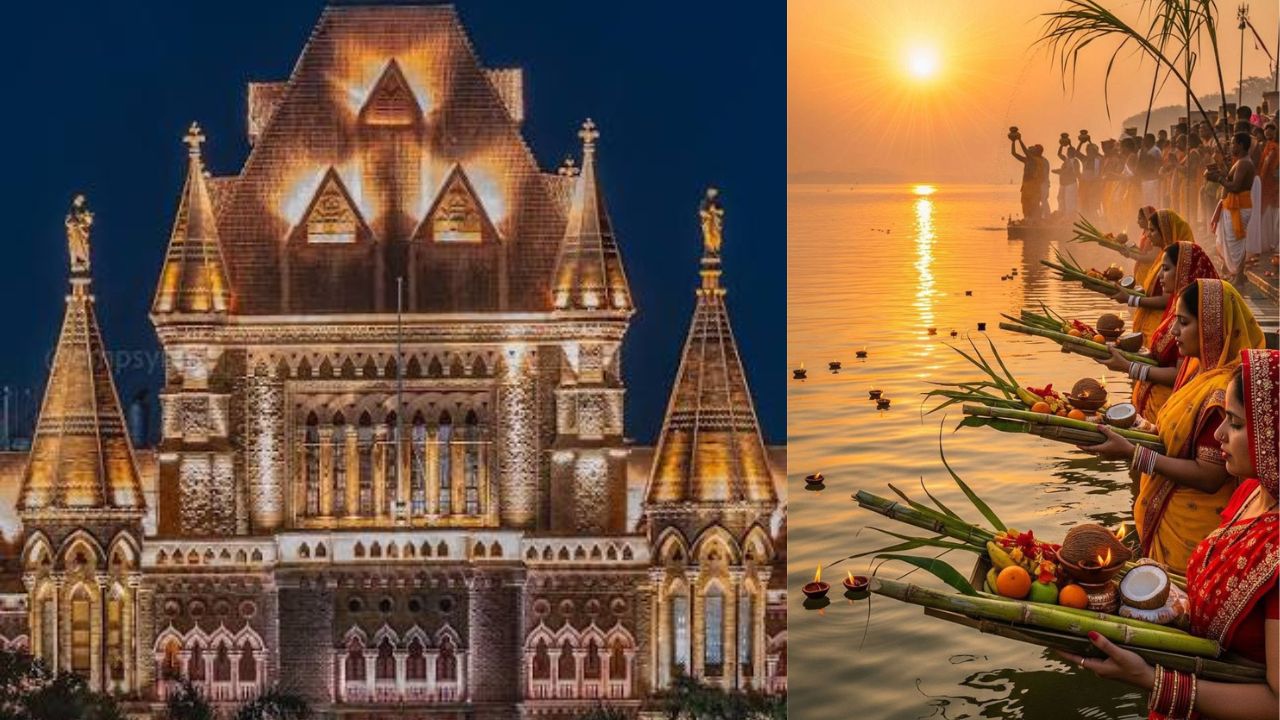
President Droupadi Murmu extends Chhath Puja greetings, highlighting the festival's message of environmental conservation and social unity. (Img: Pinterst)
New Delhi: President Droupadi Murmu, Congress president Mallikarjun Kharge and several senior BJP leaders extended greetings to citizens on Friday as the four-day Chhath Mahaparv began with the traditional ritual of Nahay-Khay. The leaders highlighted the festival's message of faith, devotion, environmental conservation, cleanliness and collective participation.
President Droupadi Murmu extended her warm greetings and best wishes to citizens on the auspicious occasion of Chhath Puja, emphasising the festival's deep connection with nature and its message of environmental responsibility.
In her festival message, the President highlighted the traditional worship of the Sun God, during which devotees offer Arghya to the setting and rising Sun. She noted that the festival reflects gratitude towards nature, with rivers, ponds and other water bodies holding an important place in the religious observances.
The President also underlined the importance of family well-being, cleanliness and environmental conservation. According to her message, Chhath promotes unity, mutual cooperation and collective participation in society. She prayed for happiness, prosperity and well-being among all citizens.
Congress president Mallikarjun Kharge also conveyed his greetings to people on the occasion of Chhath Puja, describing it as a major festival symbolising faith, devotion, spiritual discipline and gratitude towards nature.
Kharge highlighted the distinctive cultural tradition of worshipping both the rising and setting Sun. He noted that India's cultural heritage teaches people to give equal respect to the Sun at different stages of its journey, reflecting a deeper understanding of the relationship between human life and nature. He expressed hope that the festival would bring renewed energy, happiness, prosperity and positive developments into people's lives.
Several senior BJP leaders also extended their greetings on Friday as devotees began observing Nahay-Khay, the first day of the four-day Chhath festival. BJP national president Nitin Nabin highlighted the importance of cleanliness, purity, discipline and community participation associated with the festival. He noted that Chhath begins with a sacred bath and the preparation of traditional satvik food, marking the start of a period of religious observance and spiritual discipline.
Nabin also emphasised the festival's devotion to Surya Dev and its reflection of people's deep reverence for nature. Defence Minister Rajnath Singh described Chhath as a festival of faith, purity and unwavering devotion dedicated to the worship of the Sun God and Chhathi Maiya. He paid his respects to devotees observing the fast and wished them happiness, peace, good health and prosperity.
BJP national general secretary Biplab Kumar Deb also extended his wishes on the first day of the festival. He prayed that the blessings of Chhathi Maiya would bring happiness, peace, prosperity and well-being to people across the country.
BJP MP Ravi Shankar Prasad, Bihar Minister Ramkripal Yadav and BJP MLA Sanjeev Chaurasia also extended greetings to devotees, highlighting the religious significance and cultural traditions associated with Chhath Mahaparv.
Speaking about the festival's community traditions, Prasad highlighted the practice of distributing traditional bamboo soops among devotees observing the fast. The soop, a winnowing basket traditionally made from bamboo, is an important part of Chhath rituals and is used to arrange offerings made to the Sun God.
He described the collective distribution of these traditional baskets as an important part of Bihar's cultural heritage. He also conveyed his respect and best wishes to all devotees undertaking the demanding Chhath fast.
Ramkripal Yadav said the four-day festival had begun with Nahay-Khay on Friday. He highlighted a community initiative organised over several years by Ajay Gupta, a prominent leader of the Vaishya community, to distribute bamboo soops and fruits among devotees.
Yadav also mentioned that BJP national president Nitin Nabin and Bihar BJP president Sanjay Saraogi had participated in the distribution of traditional offerings among hundreds of people and extended their greetings.
BJP MLA Sanjeev Chaurasia extended his greetings to the people of Bihar and residents of the Digha Assembly constituency, describing Chhath as a major festival rooted in faith and reverence for nature.
He highlighted the importance of Surya Dev, whose rays provide energy and sustain life on Earth. Chaurasia also emphasised the distinctive tradition of offering Arghya to both the setting and rising Sun, describing it as a reflection of Bihar's religious and cultural identity.
He appreciated the arrangements made by the government for devotees at riverbanks, Chhath ghats, ponds and other designated locations. Such arrangements are important for managing large gatherings, ensuring access to ritual sites and facilitating the safe observance of the festival.
Chhath celebrations generally require extensive public arrangements, including sanitation, lighting, drinking water, crowd management, traffic regulation and safety measures at water bodies.
Chhath Puja is among the most important Hindu festivals in Bihar and eastern Uttar Pradesh. It is also widely observed in Jharkhand, parts of Nepal and several other regions, particularly in communities with cultural roots in the Gangetic plains.
Dedicated to Surya Dev and Chhathi Maiya, the festival is distinctive because devotees worship both the setting and rising Sun. The rituals express gratitude to the Sun for sustaining life, supporting agriculture and providing energy to the natural world.
According to the Hindu lunar calendar, the main Chhath observance falls on the sixth day, or Shashthi Tithi, of the Shukla Paksha in the month of Kartik. The festival spans four days and involves ritual bathing, food restrictions, fasting and offerings at water bodies.
The first day, Nahay-Khay, begins with ritual bathing and the preparation of pure, traditionally satvik food. Devotees follow strict dietary practices as they prepare for the subsequent stages of the festival.
The second day is known as Kharna, when devotees observe a fast during the day and break it after evening prayers. The prasad prepared for the occasion is traditionally shared with family members and others.
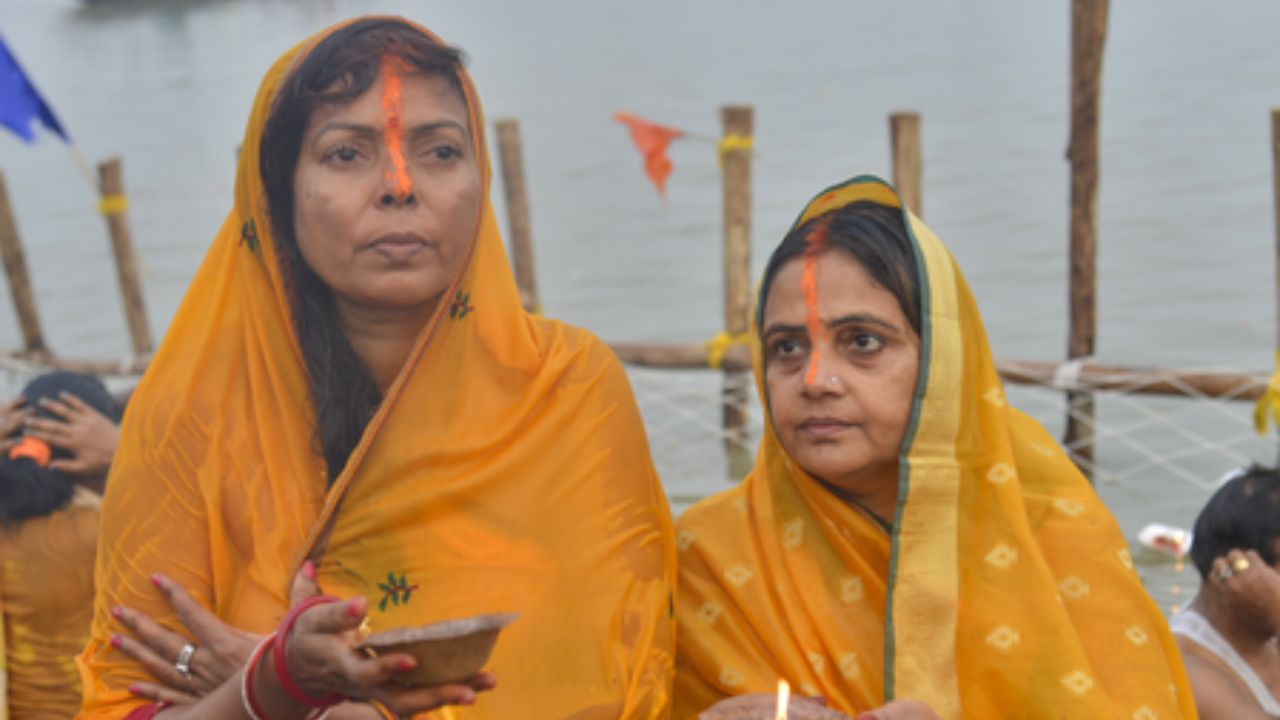
On the third day, devotees observe a rigorous fast and gather at riverbanks, ponds and specially prepared Chhath ghats to offer Sandhya Arghya to the setting Sun. The final day involves Usha Arghya, when prayers and offerings are made to the rising Sun, after which devotees conclude their fast.
The festival is also known for its traditional offerings, which include fruits, sugarcane, seasonal produce and other items arranged in bamboo baskets and soops.
Beyond its religious significance, Chhath carries a strong social and environmental message. Its rituals encourage devotees to maintain cleanliness, respect rivers and ponds, and recognise the importance of natural resources.
The large-scale community participation associated with the festival also reflects social cooperation, cultural continuity and collective responsibility. Families, neighbourhood groups, volunteers and local administrations work together to prepare ghats and facilitate the observances.
As political leaders across party lines extended their greetings, their messages reflected the festival's wider significance as a symbol of India's cultural diversity, spiritual traditions and enduring connection with nature.