 English
 English

India rejects ‘illegally constituted’ arbitration court ruling on Indus treaty (Img: Internet)
New Delhi: India on Saturday once again rejected the authority of the Court of Arbitration constituted under the Indus Waters Treaty, describing the tribunal as “illegally constituted” and dismissing its latest ruling as invalid.
The statement came after the court issued an award on May 15 related to the “maximum pondage” issue under the treaty framework.
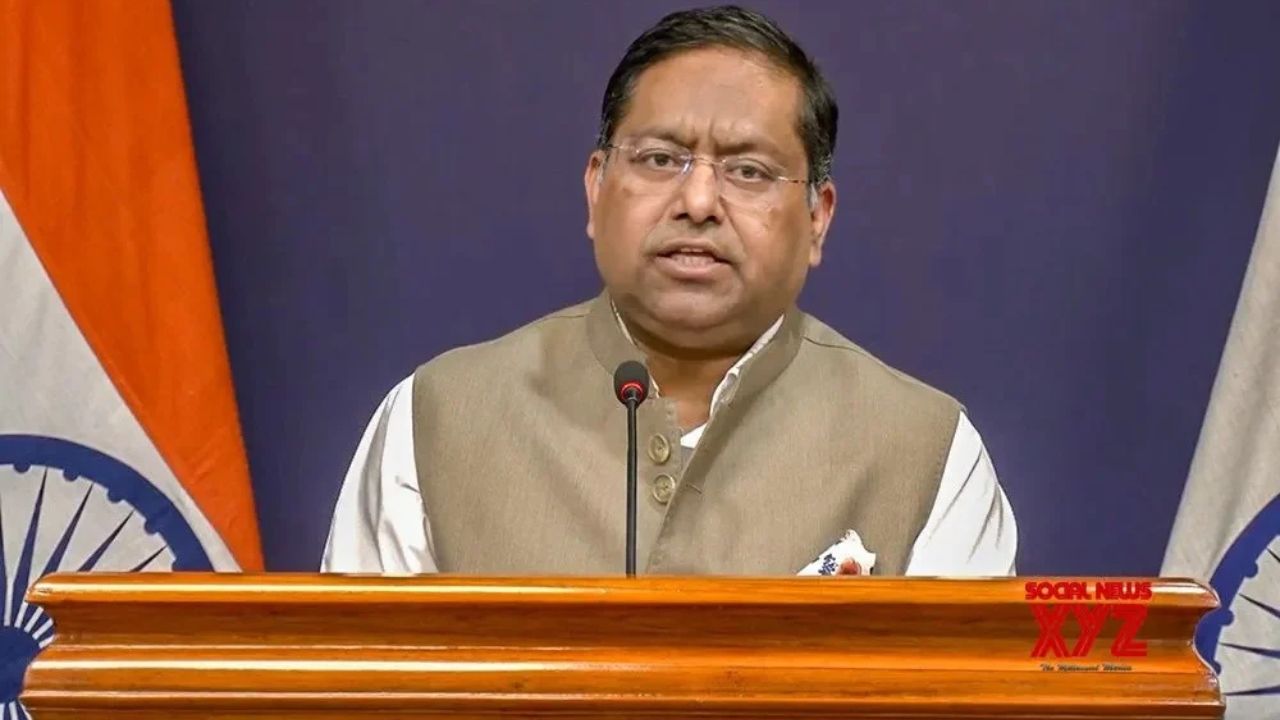
Responding to media queries, Randhir Jaiswal, spokesperson for the Ministry of External Affairs (MEA), said India had never accepted the legitimacy of the arbitration body.
Indian-flagged ship attacked off Oman coast; MEA says ‘unacceptable’
Jaiswal said India categorically rejected the latest award as well as all previous rulings issued by the tribunal. According to the MEA, any proceedings or decisions taken by the Court of Arbitration hold no legal validity from India’s perspective because New Delhi does not recognise the court’s formation under the treaty provisions.
The spokesperson reiterated that India’s position on the issue has remained consistent and unchanged.
The MEA also confirmed that India’s decision to keep the Indus Waters Treaty in abeyance continues to remain in force. India has repeatedly argued that the arbitration mechanism was initiated at Pakistan’s request in violation of the agreed dispute resolution framework under the treaty.
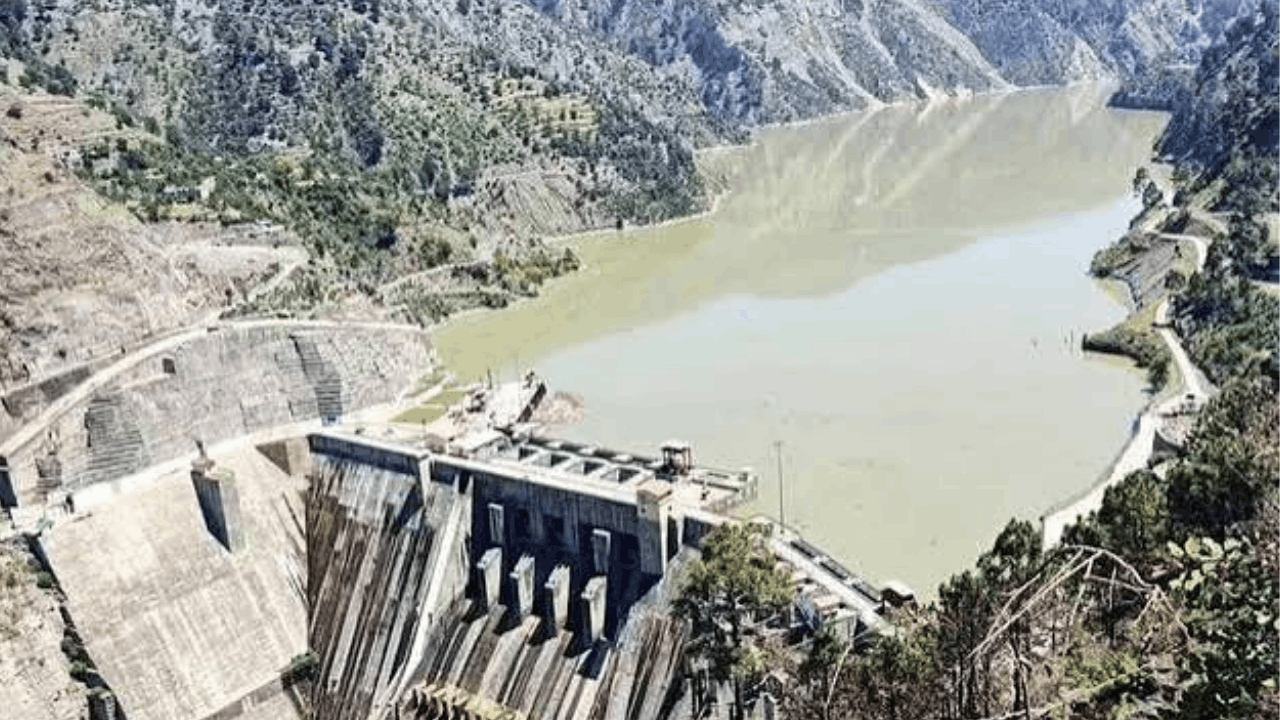
New Delhi has maintained that the court lacks jurisdiction over disputes linked to the Kishenganga and Ratle hydroelectric projects in Jammu and Kashmir.
The Indus Waters Treaty was signed between India and Pakistan in 1960, with the World Bank acting as facilitator.
MEA questions China over alleged Pakistan support, Warns on Global Reputation
Under the agreement, waters of the eastern rivers Ravi, Beas and Sutlej were allocated for India’s unrestricted use, while Pakistan received rights over the western rivers Indus, Jhelum and Chenab.
However, India retains limited rights to use waters from the western rivers for irrigation, domestic purposes and hydroelectric power generation.
The dispute has intensified in recent years over hydroelectric projects being developed by India in Jammu and Kashmir, with Pakistan repeatedly approaching international forums over the matter.