 English
 English

Parliament Monsoon Session Last Day Today (Img: X)
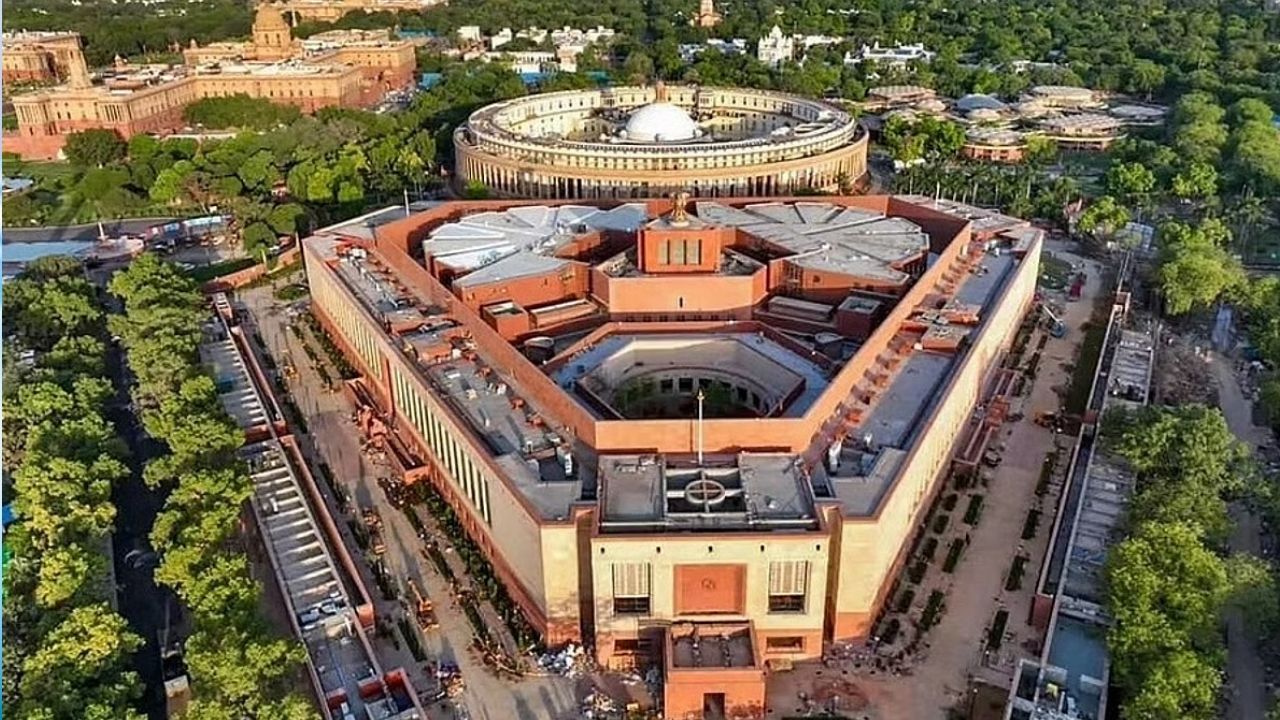
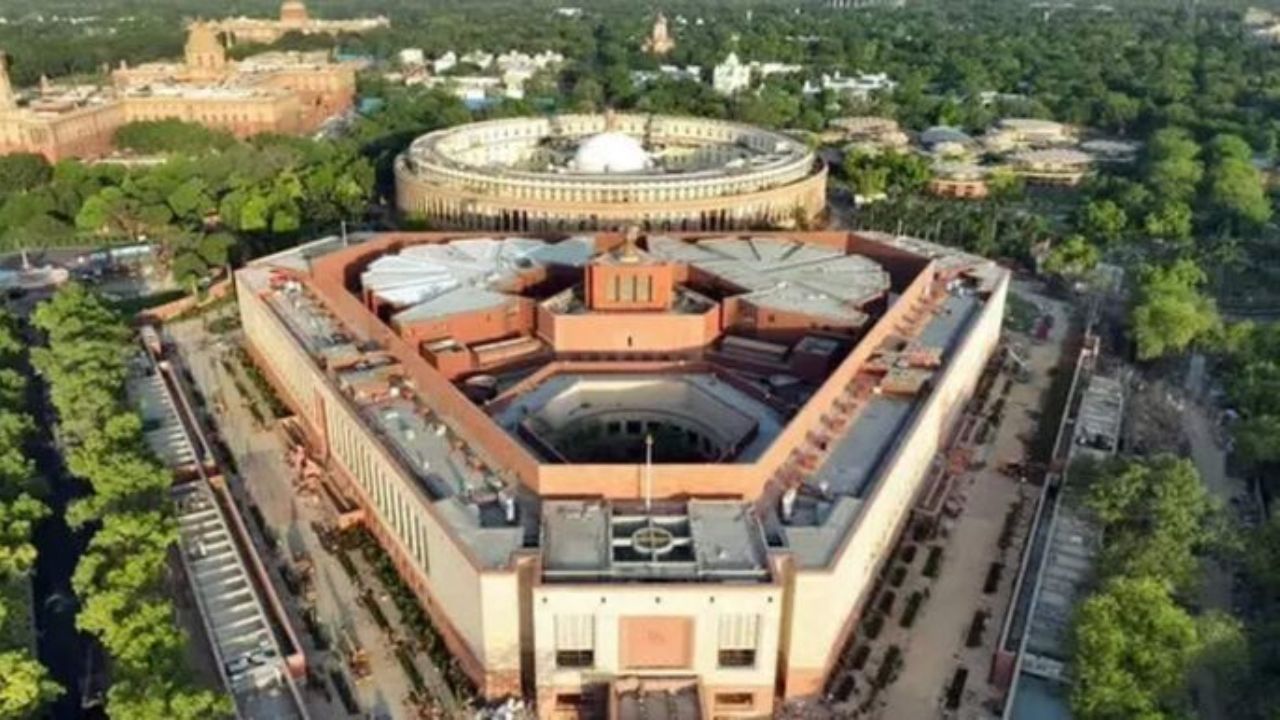
New Delhi: The Monsoon Session of Parliament concluded on Thursday with both the Rajya Sabha and Lok Sabha being adjourned sine die amid continued political confrontation, repeated disruptions and intense exchanges between the ruling party and the Opposition. The Session witnessed frequent interruptions, protests inside and outside the House, and prolonged deadlock over several contentious issues that prevented smooth legislative functioning.
The final day of proceedings remained affected by political tensions as the government and Opposition remained divided over issues including the NEET controversy, police action during protests in Delhi, allegations related to Ram Mandir donations and other matters raised during the session. The Opposition repeatedly demanded discussions and accountability from the government, while the treasury benches accused the Opposition of obstructing parliamentary proceedings.
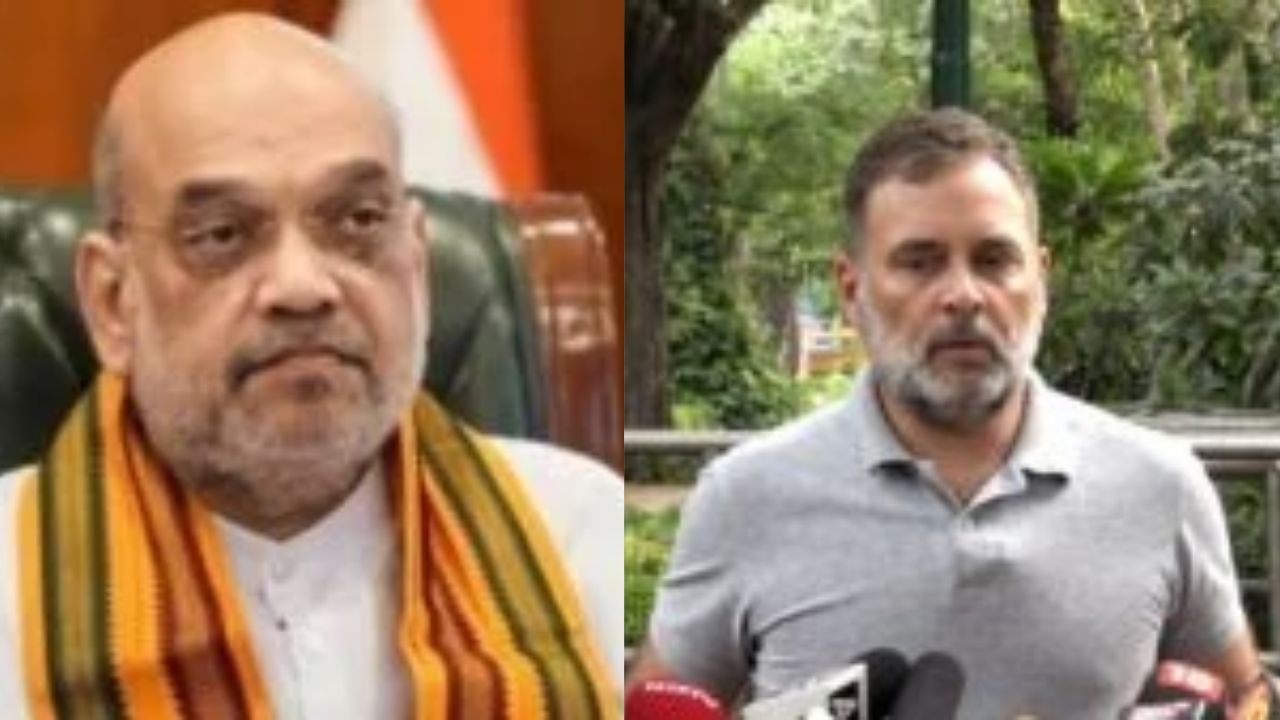
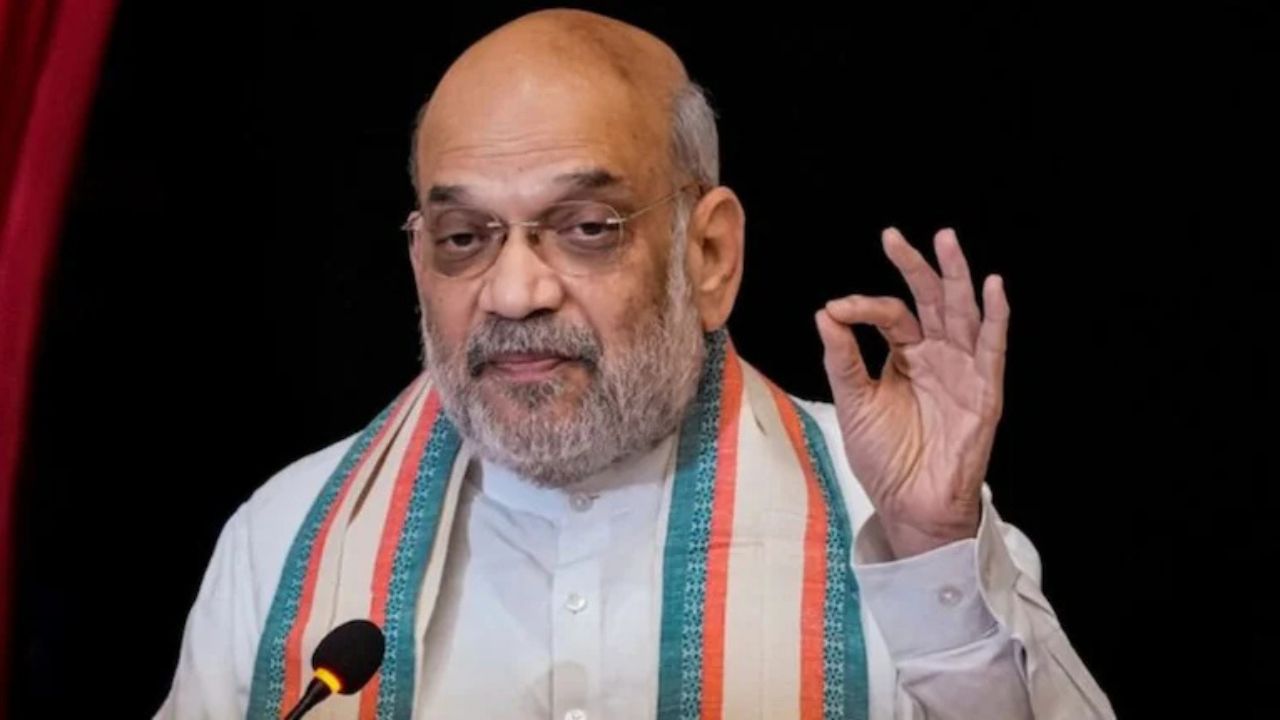
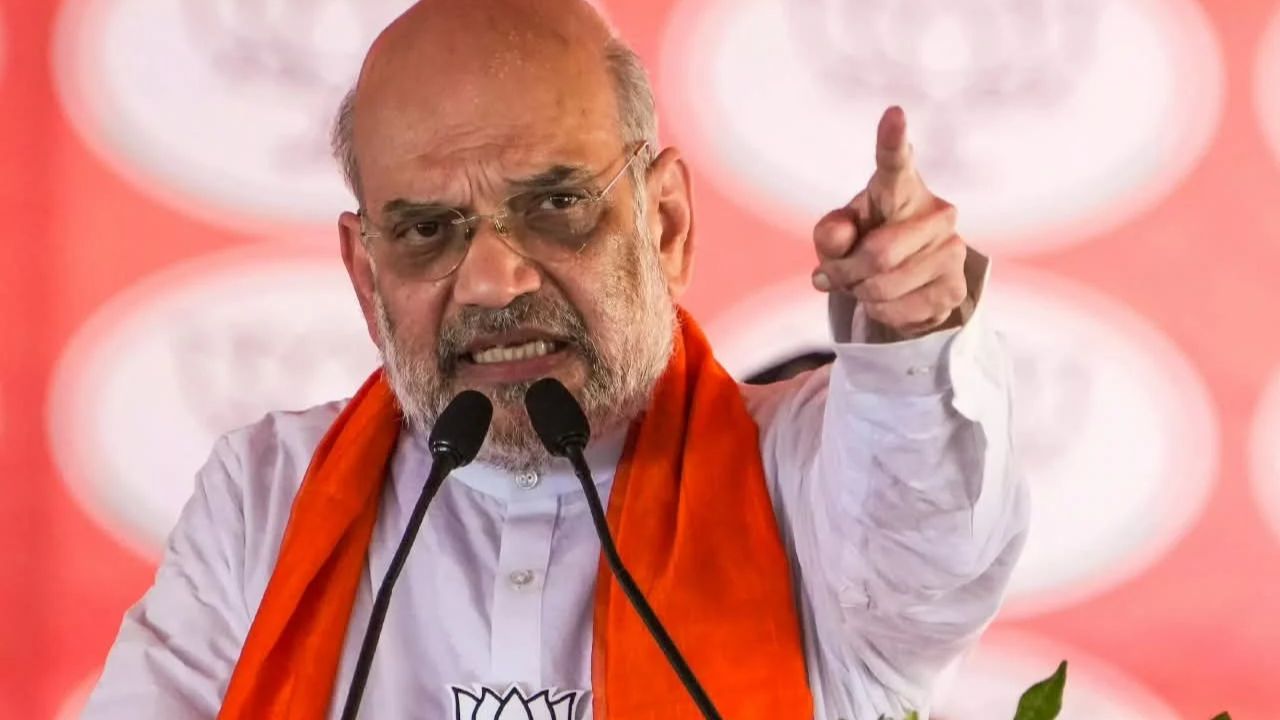
The Lok Sabha was adjourned sine die on Thursday, bringing an end to the Monsoon Session after weeks of disruptions and limited legislative activity. The adjournment took place in the presence of Prime Minister Narendra Modi, Union Home Minister Amit Shah and Leader of Opposition Rahul Gandhi. The proceedings concluded after the recital of Vande Mataram.
The Rajya Sabha also witnessed repeated protests and slogan-shouting by Opposition members before being adjourned sine die. Despite several attempts to conduct business, the Upper House remained impacted by political disagreements and disruptions throughout the session.
According to data compiled by PRS Legislative Research, the productivity of both Houses remained significantly affected during the Monsoon Session. As of August 10, the Lok Sabha had functioned for only around 16 per cent of its scheduled time, while the Rajya Sabha recorded approximately 31 per cent productivity. The figures reflected the extent of disruptions that dominated parliamentary proceedings during the session.
However, such disruptions are not unprecedented in India’s parliamentary history. Data available for Parliament sessions since 2009 shows that several previous sessions have witnessed even greater losses of legislative time due to political deadlock between the government and Opposition parties.
During the Congress-led United Progressive Alliance (UPA) government’s second term, the Winter Session of 2010 witnessed one of the biggest washouts in recent parliamentary history. According to PRS Legislative Research data, the Lok Sabha functioned for only around 5 per cent of its scheduled duration during that session, while the Rajya Sabha recorded just about 2 per cent functioning.
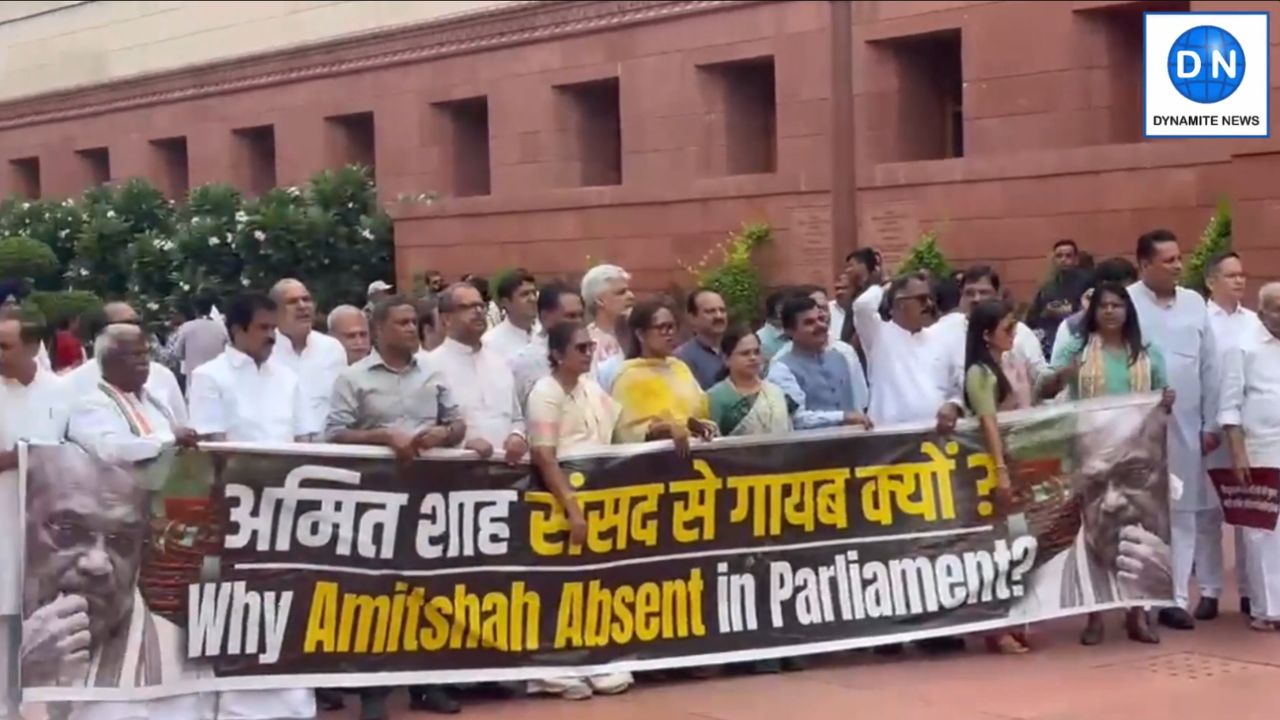
The concluding phase of the Monsoon Session remained tense as the government and Opposition continued their standoff over allegations of police excesses during the July 20 protest in New Delhi. The Opposition had demanded a statement from Union Home Minister Amit Shah on the matter, leading to repeated disruptions and adjournments.
Meanwhile, political tensions intensified in the Rajya Sabha after Leader of Opposition Mallikarjun Kharge raised the issue of an alleged incident in Uttarakhand’s Haldwani, where he claimed that a place he had visited for a party programme was subjected to a purification ritual after his departure. Kharge stated that the matter should not be viewed merely as a political issue and called for action against those responsible.
Leader of the House JP Nadda condemned the alleged incident and said that such actions were unacceptable. He assured the House that the matter would be examined and that appropriate action would follow after an investigation. Rajya Sabha Chairman CP Radhakrishnan also condemned any form of untouchability and stressed that those involved in wrongdoing should be identified and investigated according to law.
The issue led to further heated exchanges between treasury and Opposition members, with BJP MPs objecting to repeated allegations against the party while Opposition members demanded accountability and registration of a case against those allegedly involved.
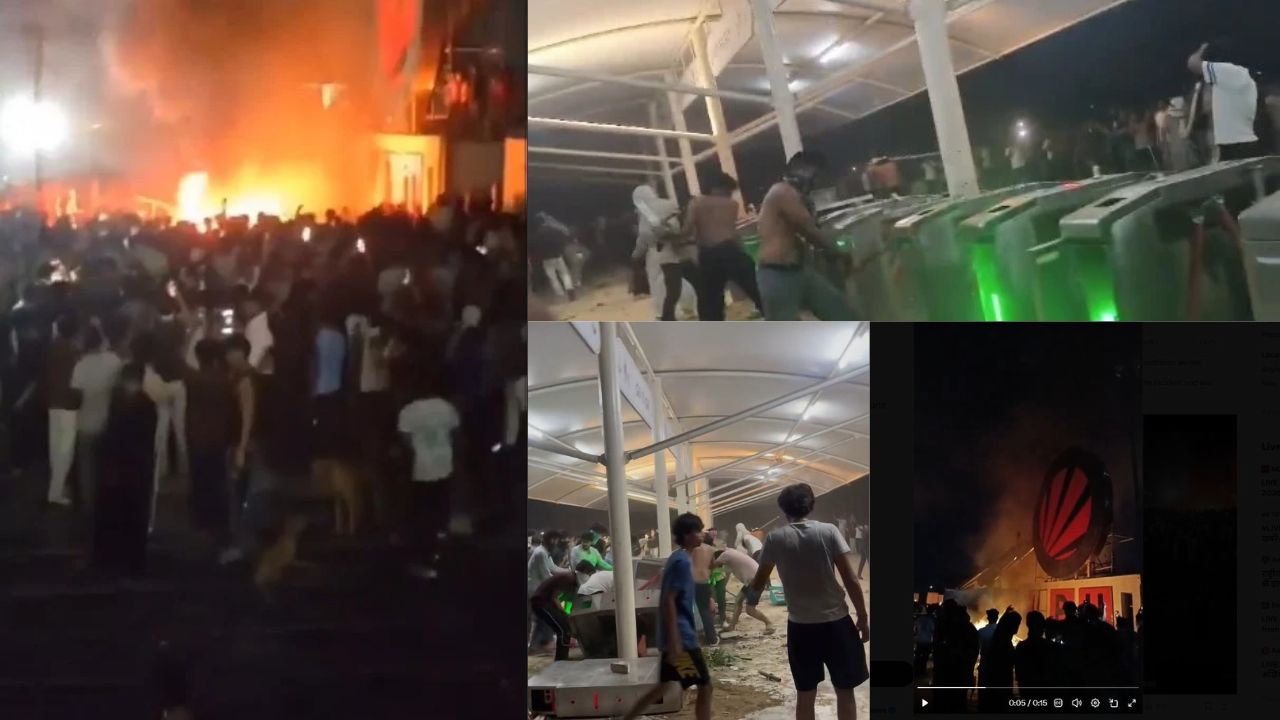
Outside the chambers, the Parliament complex also witnessed demonstrations and counter-protests by the ruling BJP and the Opposition INDIA bloc at the Makar Dwar area. The BJP organised a protest targeting Congress leader Rahul Gandhi over allegations that the Congress had not sufficiently addressed the ongoing student agitation in Jharkhand.
In response, Opposition MPs held a counter-protest led by Congress MP Pawan Khera, raising political slogans against the Prime Minister and the government. The demonstrations reflected the wider political confrontation that continued throughout the Monsoon Session.
The session also saw a sharp exchange of accusations between government and Opposition leaders over responsibility for the repeated disruptions. Opposition MPs argued that the government was responsible for ensuring parliamentary functioning and alleged that important issues raised by them were not addressed. They demanded transparency and accountability from the Centre on matters brought before Parliament.
Government leaders, however, maintained that the Opposition was unwilling to participate constructively in debates and was disrupting proceedings for political reasons. The ruling party argued that the government was prepared for discussions but that continuous protests prevented normal legislative business.
The conclusion of the Monsoon Session highlights the growing challenges in maintaining parliamentary productivity amid increasing political polarisation. With several important issues remaining subjects of debate, attention will now shift towards future parliamentary sittings and whether the government and Opposition can find common ground for legislative discussions and policy deliberations.