 English
 English

Delhi government plans to equip 100 Vayu Rakshak teams with body-worn cameras amid worsening air pollution. (Img: X)
New Delhi: With Delhi's air quality slipping into the 'Severe' category and the Air Quality Index (AQI) crossing 400 at several locations, the Delhi government has decided to introduce body-worn cameras for its ground-level pollution enforcement personnel to strengthen surveillance and ensure accountability during inspections.
The move comes amid complaints of inadequate field inspections, delayed responses to pollution-related grievances and alleged lapses by enforcement teams. According to government sources, 100 body-worn cameras are proposed to be distributed among 100 teams, with one designated member in each team required to wear the device during enforcement operations.
The initiative is intended to allow authorities to monitor field inspections in real time and maintain a record of action taken against violations of pollution-control norms. 100 Cameras To Be Deployed Across 100 Teams
According to sources, the government plans to equip 100 enforcement teams with body-worn cameras. One personnel member in each team will be responsible for wearing the camera and keeping it switched on while responding to public complaints, carrying out inspections and taking action against violations at the site.
The devices are reportedly capable of recording footage for nearly eight hours. Officials monitoring operations from the Integrated Command and Control Centre (ICCC) will also be able to access the live video feed, enabling them to supervise the teams' activities without having to be physically present at the location. The vehicles used by the enforcement teams have already been fitted with GPS-enabled tracking systems to monitor their movement and deployment across the city.
The decision follows reports of shortcomings in the functioning of field teams tasked with checking pollution violations. Sources said there have been instances in which enforcement personnel allegedly failed to reach locations despite receiving information about violations. On Diwali night, some teams reportedly did not respond to calls from the control centre or update their respective departments about the action taken on complaints.
Authorities have also received complaints regarding altercations between enforcement personnel and individuals found violating pollution-control restrictions during inspections. The proposed camera system is expected to provide a verifiable record of inspections, help establish whether complaints were attended to and identify instances of non-compliance or misconduct by personnel.
The Delhi government has deployed more than 300 joint enforcement teams, designated as 'Vayu Rakshak', to prevent activities contributing to air pollution. The teams comprise officials from the Delhi Pollution Control Committee (DPCC), Municipal Corporation of Delhi (MCD) and Civil Defence. They have been deployed round the clock to check open burning of waste and biomass, construction-related violations and other pollution-generating activities.
The three agencies have been assigned distinct responsibilities. DPCC personnel are tasked with identifying and examining technical violations, while MCD officials are responsible for checking documentation and the legality of construction activities. Civil Defence personnel provide assistance in maintaining law and order, with support from local police wherever necessary. According to officials, this is the first time personnel from these three agencies have been brought together under a coordinated enforcement arrangement for pollution control.
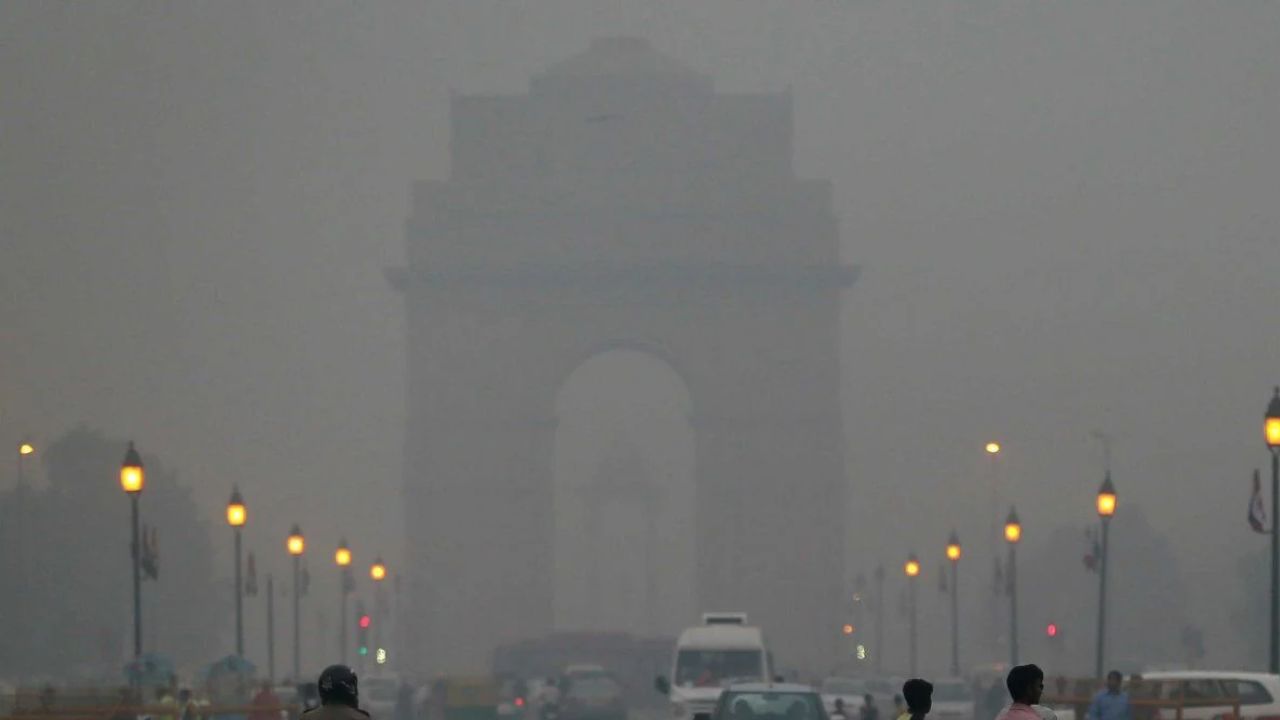
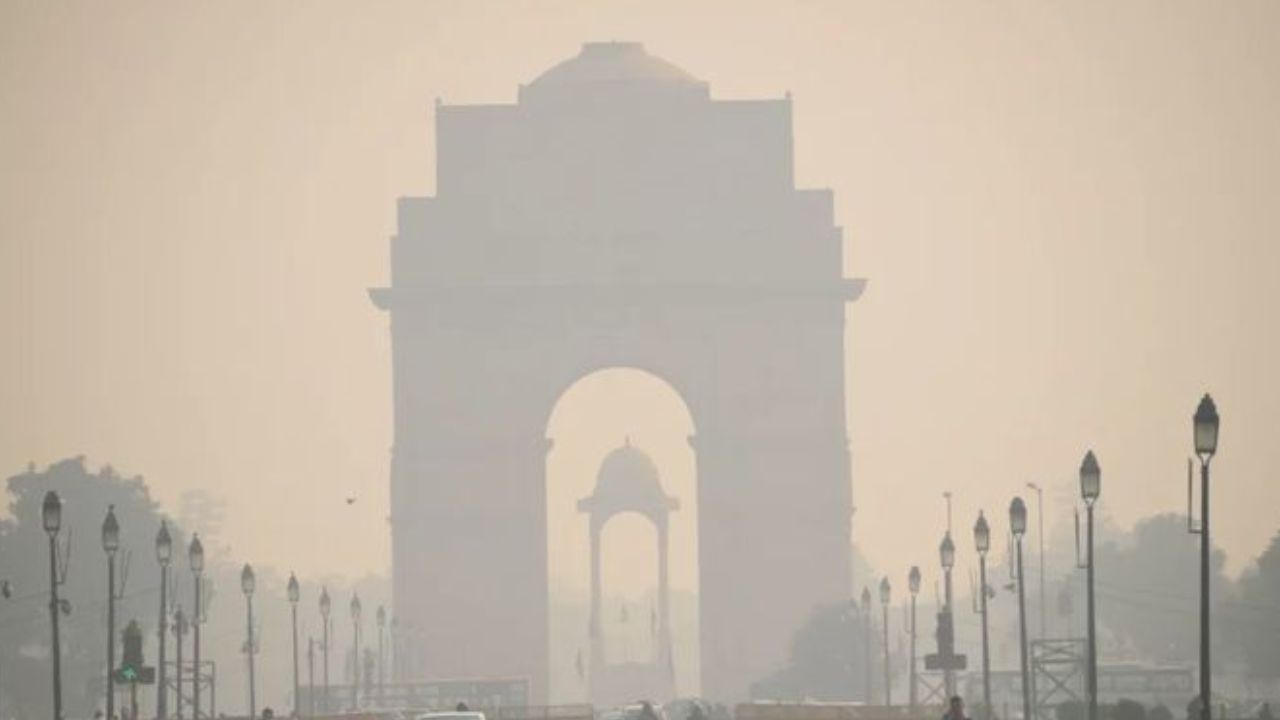
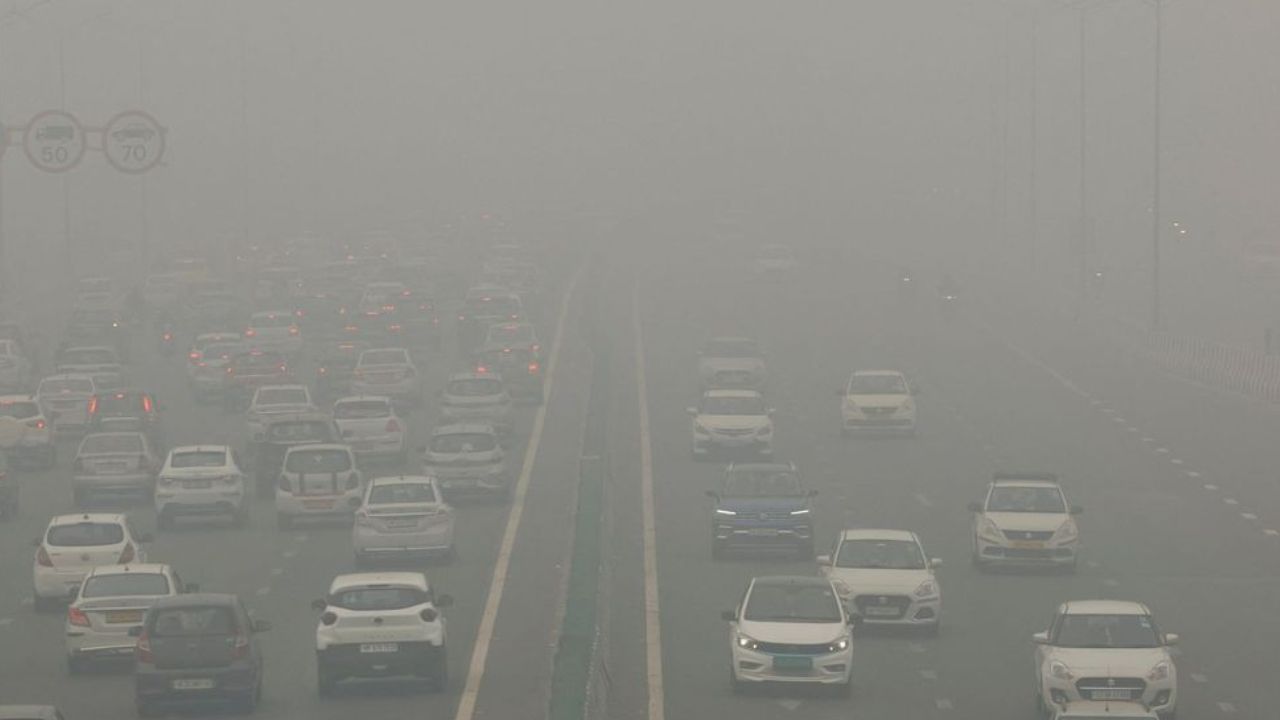
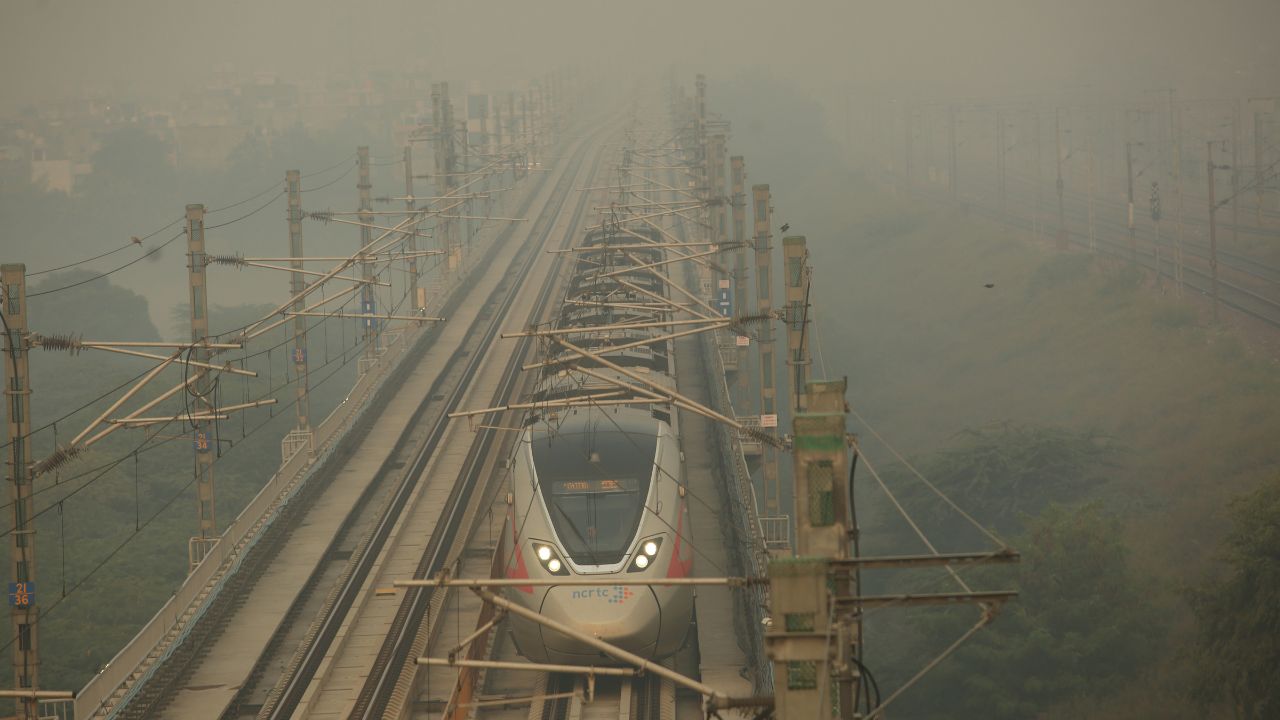
The decision to strengthen ground-level monitoring comes as Delhi's air quality deteriorated sharply on Friday, November 13, with the AQI entering the 'Severe' category. According to the Central Pollution Control Board (CPCB), the AQI around AIIMS touched 418, while the Rajokri Border recorded 402. Dwarka Expressway registered an AQI of 369, placing it in the 'Very Poor' category.
Stage III of the Graded Response Action Plan (GRAP), along with the government's Winter Action Plan, is already in force in the national capital. Under the restrictions, dust-generating demolition activities and outdoor construction work have been prohibited, barring specified essential projects, including those related to healthcare and national security.
Teams from the Transport Department and Delhi Traffic Police have also been stationed at city borders and identified pollution hotspots to prevent vehicles below BS-VI emission standards from operating in the capital. The government is seeking to strengthen enforcement through GPS tracking, live video monitoring and coordinated field inspections as Delhi confronts another spell of hazardous winter pollution.