 English
 English

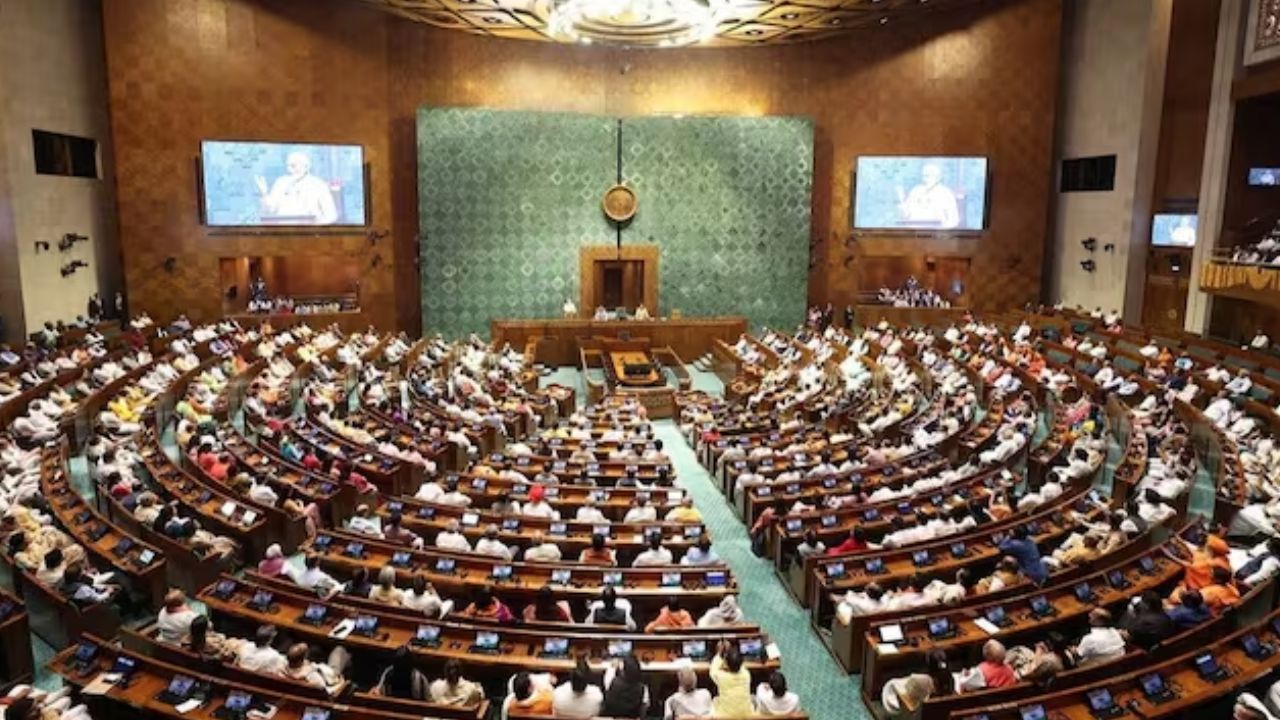
A fresh political battle unfolds as the Modi government prepares to push the revised Delimitation Bill through Parliament. (Img: X)
Delimitation Bill Gets Fresh Push: Can Modi Govt Secure Two-Thirds Majority?
New Delhi: The Centre's revised Delimitation Bill gained fresh momentum on Friday after the Union Cabinet cleared a proposal offering a uniform 50% increase in Lok Sabha seats across all states and extending the freeze on inter-state representation for another 25 years.
With Parliament's special session scheduled from November 30 to December 3, 2026, the government's revised strategy could reshape the political arithmetic, revive the Women's Reservation implementation debate and put the INDIA bloc's unity to a crucial test.
The proposed constitutional amendment has emerged as one of the biggest political flashpoints ahead of the upcoming special session of Parliament. Following the failure of its earlier legislative attempt in April 2026, the BJP-led NDA government appears to have recalibrated its strategy to secure the numbers required for the passage of the revised Delimitation Bill.
The Union Cabinet cleared the revised proposal on November 27, incorporating significant changes aimed at addressing concerns raised by several opposition parties, particularly regional parties from southern India.
The revised framework proposes a uniform 50% expansion in Lok Sabha seats across all states while maintaining the existing proportion of parliamentary representation among states for another 25 years. The proposal also seeks to use the 2011 Census for redrawing constituency boundaries within individual states without disturbing the inter-state distribution of seats.
The changes could prove politically consequential, as the government attempts to secure the constitutionally mandated two-thirds majority after its previous attempt was defeated in the Lok Sabha.
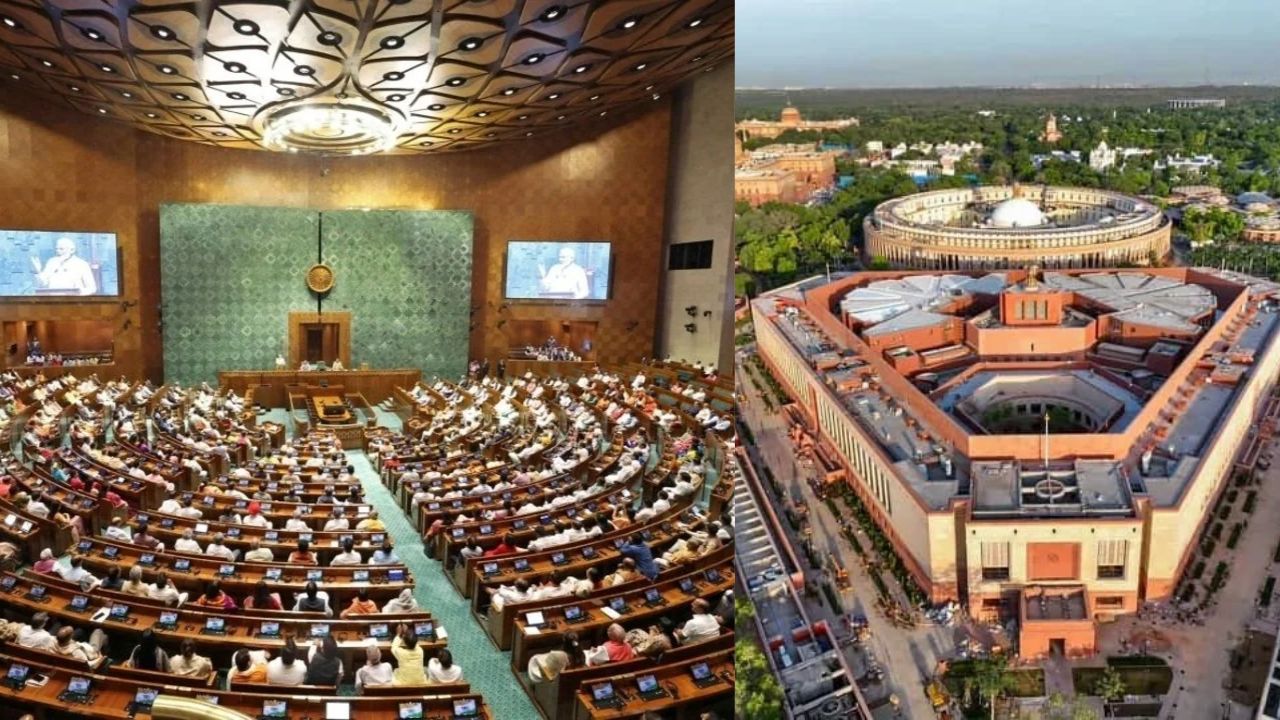
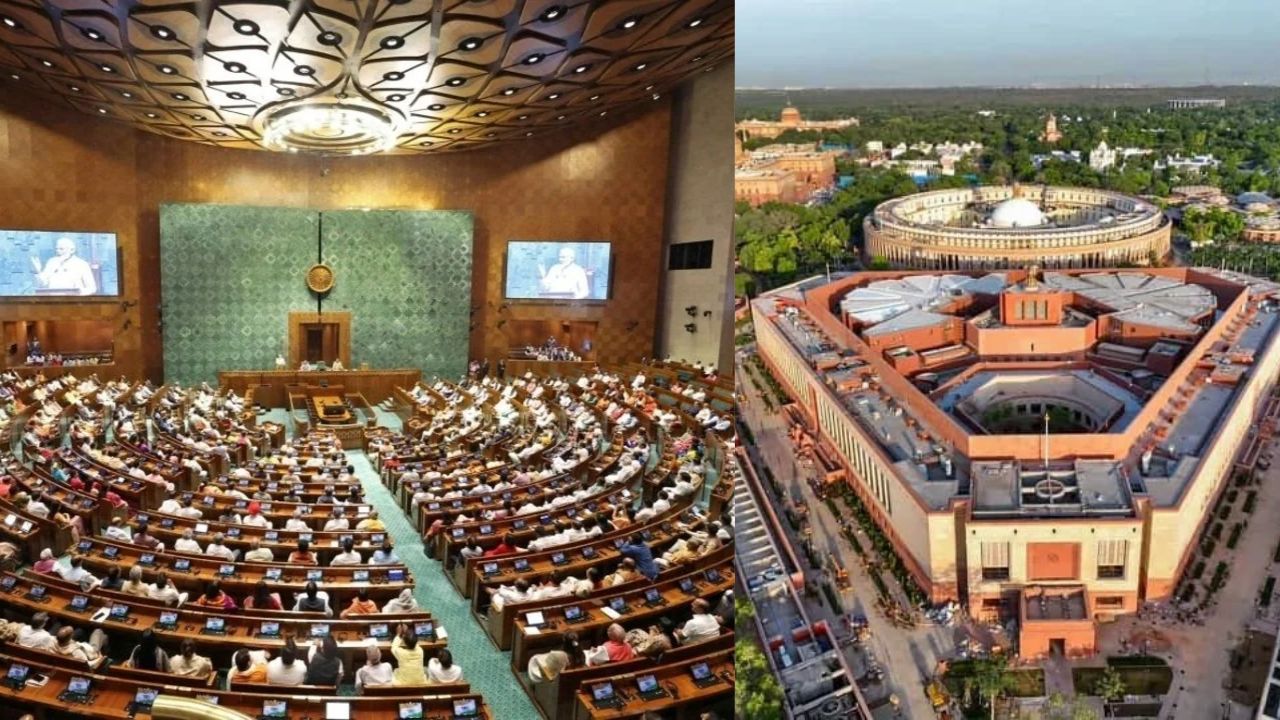
The special parliamentary session will begin on November 30, with the Lok Sabha scheduled to take up the legislative business from that date. The Rajya Sabha is expected to consider the legislation from December 2.
The most significant feature of the revised proposal is the uniform 50% increase in Lok Sabha representation across all states. This provision is intended to address apprehensions that population-based delimitation could disproportionately increase the political influence of northern and central states at the expense of southern states.
The proposal also seeks to preserve the existing inter-state distribution of parliamentary seats, calculated on the basis of the 1971 Census, for another 25 years. The arrangement would continue until the first Census after 2051, according to the revised framework.
Another important component involves the use of the 2011 Census for redrawing constituency boundaries within individual states. This would allow the delimitation exercise to take place without immediately altering the relative share of parliamentary representation among states.
The legislative package is also linked to the implementation of the 33% reservation for women in the Lok Sabha and state legislative assemblies. The government intends to operationalise women's reservation alongside the proposed expansion of legislative representation.
The earlier legislative package had envisaged increasing the strength of the Lok Sabha from 543 to 815 members. The revised proposal retains the broader objective of expanding parliamentary representation, although the detailed text of the Cabinet-approved legislation was not immediately available.
The Dravida Munnetra Kazhagam (DMK), which has 22 Lok Sabha MPs, has been among the most vocal opponents of the original delimitation proposal.
Tamil Nadu Chief Minister and DMK president MK Stalin has maintained that his party will not compromise on the state's existing share of parliamentary representation.
The DMK's primary concern has been that population-based delimitation could penalise southern states that have achieved comparatively better results in population stabilisation. A conventional population-linked redistribution of seats could increase the political weight of northern states while reducing the relative influence of southern states.
Stalin has particularly insisted that Tamil Nadu's existing 7.18% share of parliamentary representation must not decline. He has also demanded that the current proportional distribution of seats among states, based on the 1971 Census, remain protected for another 25 years.
The revised proposal's uniform 50% expansion and extended freeze appear to address these concerns, potentially opening the door for negotiations.
However, the DMK has not formally announced unconditional support. The party has reiterated its demands and maintained that its final position will depend on the actual legislative provisions. The government's ability to secure support from regional parties could therefore become a decisive factor during voting.
The opposition's parliamentary strategy has also become increasingly complicated following indications that Sharad Pawar's Nationalist Congress Party faction could support the revised legislation.
The NCP (SP) has reportedly indicated conditional support following the changes approved by the Union Cabinet. Although the party remains associated with the INDIA opposition bloc and is expected to participate in its deliberations, its position on the voting floor could create a significant political complication for the opposition.
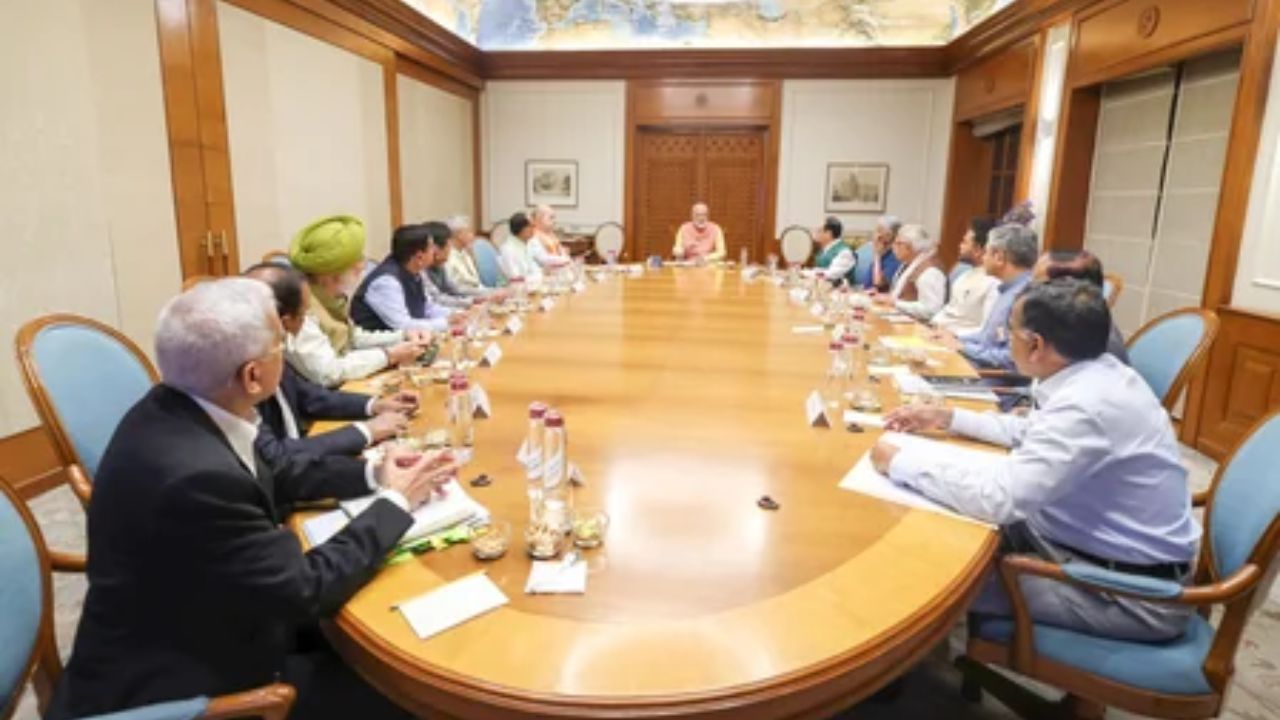
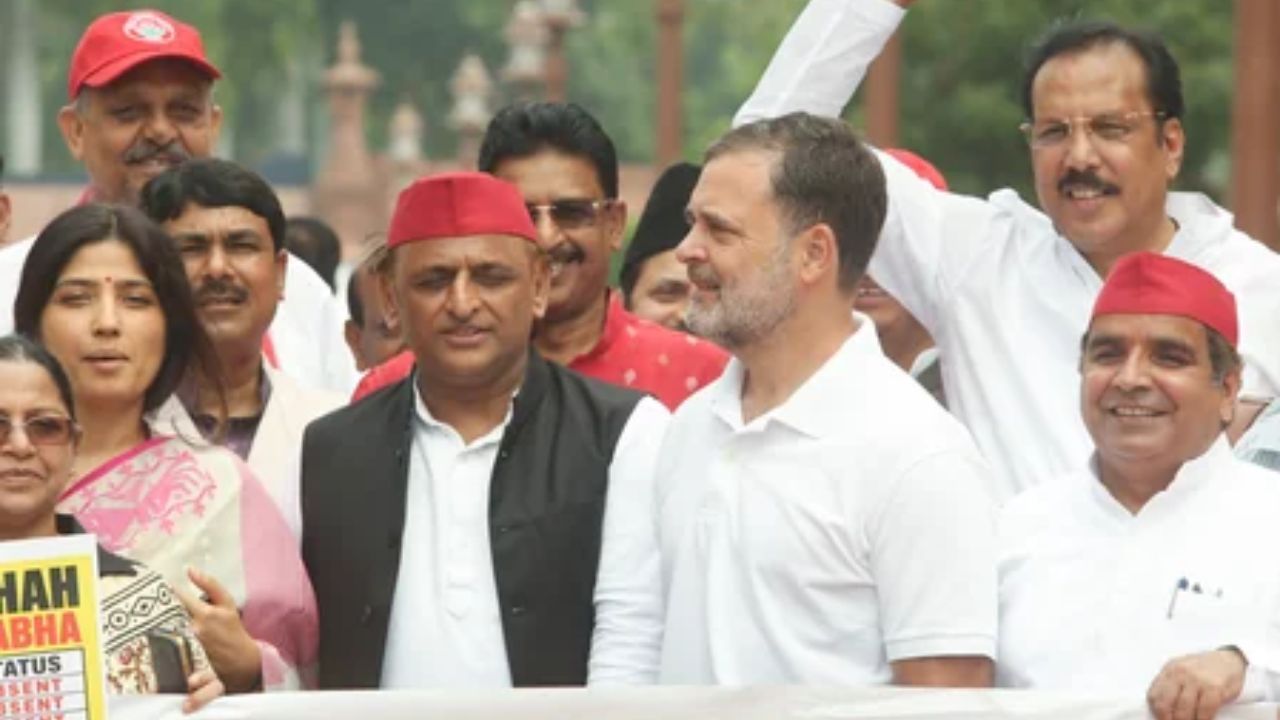
The Congress leadership is particularly concerned about the possibility of last-minute abstentions or differences within the INDIA bloc. A meeting of senior Congress leaders was convened at Sonia Gandhi's residence to discuss the revised legislation and formulate a coordinated parliamentary response. Congress president Mallikarjun Kharge, Rahul Gandhi, KC Venugopal and Jairam Ramesh were among those involved in the discussions.
The INDIA bloc partners are also scheduled to hold a separate strategy meeting ahead of the special session. The opposition's immediate challenge is to maintain voting discipline and prevent individual parties or MPs from adopting positions that could weaken its collective resistance.
The RJD, which has four Lok Sabha MPs, is also reportedly reconsidering its position, with the possibility of internal differences emerging during the voting process. Several non-NDA parties, including the YSR Congress Party, are also reportedly inclined towards supporting the legislation, further complicating the opposition's numerical calculations.
Despite the apparent improvement in its political prospects, the government still faces a significant constitutional hurdle. A Constitution Amendment Bill requires a special majority under Article 368. This means it must secure the support of at least two-thirds of members present and voting in each House, along with a majority of the total membership of that House.
The NDA does not independently command the required two-thirds majority in either the Lok Sabha or the Rajya Sabha. Consequently, the government will need support from opposition parties, regional formations and non-aligned MPs to secure passage.
The importance of abstentions could also become decisive in the final voting arithmetic, as the two-thirds requirement is calculated on the basis of members present and voting, subject to the separate requirement of a majority of the House's total membership.
The government is believed to have undertaken extensive political consultations to identify potential supporters and reduce the possibility of another legislative setback. The BJP has issued a three-line whip to its MPs, underlining the importance of the legislation. Party members have been instructed to remain present in Delhi by November 29 to ensure maximum attendance during the parliamentary proceedings.
The government's latest legislative push follows a major setback in April 2026, when the Constitution (131st Amendment) Bill failed to secure the required majority in the Lok Sabha.
During the earlier voting process, 298 MPs supported the legislation, while 230 voted against it. With 528 members present and voting, the Bill required 352 affirmative votes to achieve the two-thirds threshold. The government consequently fell short by 54 votes.
The earlier package sought to amend the existing constitutional framework to facilitate constituency delimitation and implement the 33% women's reservation provision through an expansion of parliamentary and legislative representation. However, opposition parties argued that linking women's reservation with delimitation could create an imbalance in federal representation.
The INDIA bloc maintained that it supported the principle of women's reservation but opposed the proposed delimitation mechanism, particularly its potential consequences for southern states.
Following the defeat of the constitutional amendment, the government withdrew the two other associated bills, maintaining that they were linked to the principal amendment and could not be considered independently. The revised legislation now attempts to address some of the objections that contributed to the earlier defeat.
Apart from concerns surrounding federal representation, the delimitation exercise has also triggered allegations of political gerrymandering. Opposition leaders have argued that constituency boundary changes could be used to create an electoral advantage for the ruling BJP ahead of the 2029 Lok Sabha elections.
Gerrymandering refers to the strategic redrawing of electoral boundaries in a manner that could favour a particular political party or influence electoral outcomes. Rahul Gandhi has previously raised concerns that the delimitation process could provide the BJP with an opportunity to reshape electoral constituencies to its political advantage.
The opposition has also questioned the timing and methodology of the proposed exercise, arguing that the government should ensure transparency and broad political consensus before undertaking a constitutional restructuring of parliamentary representation.
The government, meanwhile, has attempted to address the regional imbalance argument through the proposed uniform expansion of seats and the continuation of the existing inter-state representation formula. The final assessment will depend on the detailed provisions of the legislation and the mechanism through which constituency boundaries are redrawn.
The political arithmetic has undergone changes since the earlier Bill was defeated. Developments involving opposition parties and regional political formations have altered the composition of the Lok Sabha and potentially strengthened the government's ability to secure additional support.
In June 2026, 20 MPs from the undivided Trinamool Congress' 28-member Lok Sabha contingent reportedly announced a merger with the Tripura-based Nationalist Citizens Party of India, a group aligned with the BJP-led NDA. Similarly, six of the nine Shiv Sena (Uddhav Balasaheb Thackeray) MPs reportedly moved to the Eknath Shinde-led faction.
The BJP's recent political understanding with the Shiromani Akali Dal has also added to expectations that the party's lone Lok Sabha MP could support the government. These developments have altered the opposition's earlier numerical position and made the political calculations surrounding the revised Bill more fluid. However, the final outcome will depend on the actual voting strength, attendance and positions adopted by individual parties when the legislation is taken up.
The National Conference, led by Jammu and Kashmir Chief Minister Omar Abdullah, is expected to oppose the proposed legislation. The party has expressed concerns about the implications of delimitation and the broader question of political representation in Jammu and Kashmir.
However, the political situation is complicated by the continuing demand for restoration of statehood to Jammu and Kashmir. The issue remains central to the National Conference's political engagement with the Union government.
The possibility of political pressure surrounding the restoration of statehood adds another dimension to the parliamentary debate, although the party's stated opposition to the Bill remains an important factor.
The proposed delimitation framework could have implications for electoral representation and constituency boundaries across the country, making the position of regional parties particularly significant.
Article 82 of the Constitution provides for the readjustment of the allocation of Lok Sabha seats and the division of states into territorial constituencies following each Census. However, constitutional amendments over the years have maintained a freeze on the inter-state allocation of parliamentary seats to encourage population stabilisation without penalising states that successfully controlled population growth.
The 84th Constitutional Amendment Act of 2001 extended the freeze on the allocation of seats among states until the first Census after 2026. The existing constituency boundaries were subsequently adjusted through the delimitation exercise based on the 2001 Census, while the inter-state allocation remained protected.
The latest Census exercise began on April 1, 2026, and is expected to conclude in 2027. The earlier amendment proposal sought to remove the constitutional restrictions that prevented a fresh delimitation exercise based on updated population data.
The revised proposal, however, seeks to separate the process of intra-state constituency redrawing from the distribution of parliamentary seats among states. This distinction is central to the government's revised legislative strategy.
Since the amendment concerns the constitutional framework governing parliamentary representation, its passage will require the prescribed special majority in both Houses. To the extent that the amendment affects provisions covered by the federal ratification requirement under Article 368, approval by at least half of the state legislatures will also be necessary before Presidential assent.