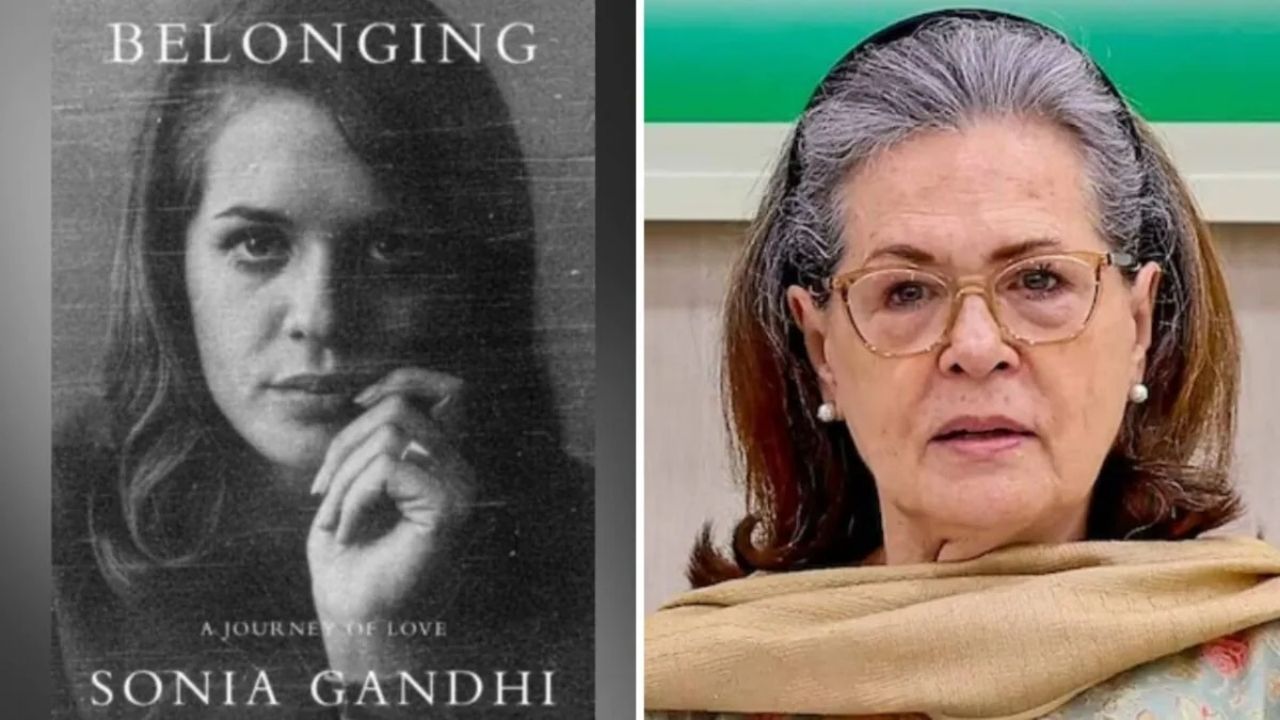
Sonia Gandhi revisits one of the most painful chapters of her personal life in her memoir Belonging: A Journey of Love. (Img: X)
New Delhi: Behind the public life, political responsibilities and decades of national prominence associated with the Gandhi family lies a deeply personal tragedy that remained largely away from public scrutiny for years. Congress Parliamentary Party chairperson Sonia Gandhi has revisited that painful chapter in her newly released memoir, 'Belonging: A Journey of Love,' revealing the loss of her firstborn son with former Prime Minister Rajiv Gandhi, who died just hours after being born prematurely in January 1969.
In an emotional account, Sonia Gandhi describes the overwhelming happiness that accompanied her first pregnancy, the family's anticipation of welcoming a newborn and the devastating news that transformed the occasion into an enduring personal tragedy. Her recollections also shed light on Rajiv Gandhi's emotional response, former Prime Minister Indira Gandhi's support, the family's decision concerning the infant's last rites and the distressing public criticism that followed.
According to Sonia Gandhi's account, the family's happiness began in September 1968, when she shared the news of her pregnancy. The announcement reportedly brought particular excitement to Indira Gandhi, who was generally restrained in expressing affection publicly.
Sonia recalls that Indira Gandhi responded with unusual warmth and embraced her daughter-in-law upon hearing the news. The former Prime Minister's affectionate reaction reflected the family's excitement about the arrival of another generation.
The anticipation, however, was accompanied by an unforeseen medical complication. Sonia Gandhi went into labour approximately two months before her expected delivery date and gave birth to a premature baby boy on January 18, 1969. Although the newborn initially appeared healthy, doctors had reportedly cautioned Rajiv Gandhi that the infant's chances of survival were uncertain.
One of the most moving passages in the memoir describes the first moments Sonia Gandhi spent with her newborn son. She recalls hearing the baby's first cry as he was placed inside an incubator. Rajiv Gandhi subsequently accompanied her to see the infant, whom she remembered as a tiny but well-formed baby with thick black hair and long, slender fingers.
The couple immediately developed a deep emotional attachment to their child. Sonia's recollections describe the two parents looking at their newborn together, with Rajiv holding her close as they experienced the happiness of becoming parents.
The family's joy, however, was short-lived. Despite the medical attention provided to the premature infant, he survived only a few hours. The following morning, at approximately 6.30 am, the couple received the devastating news that their son had died.
Also Read: Why Rahul Gandhi used a fake name in US? Sonia Gandhi’s book reveals all
Sonia Gandhi describes the moment she learnt about her baby's death as one of the most traumatic experiences of her life. Unable to comprehend what had happened, she struggled to accept the news and repeatedly questioned why the tragedy had occurred. Both she and Rajiv Gandhi were left devastated by the sudden loss of their first child.
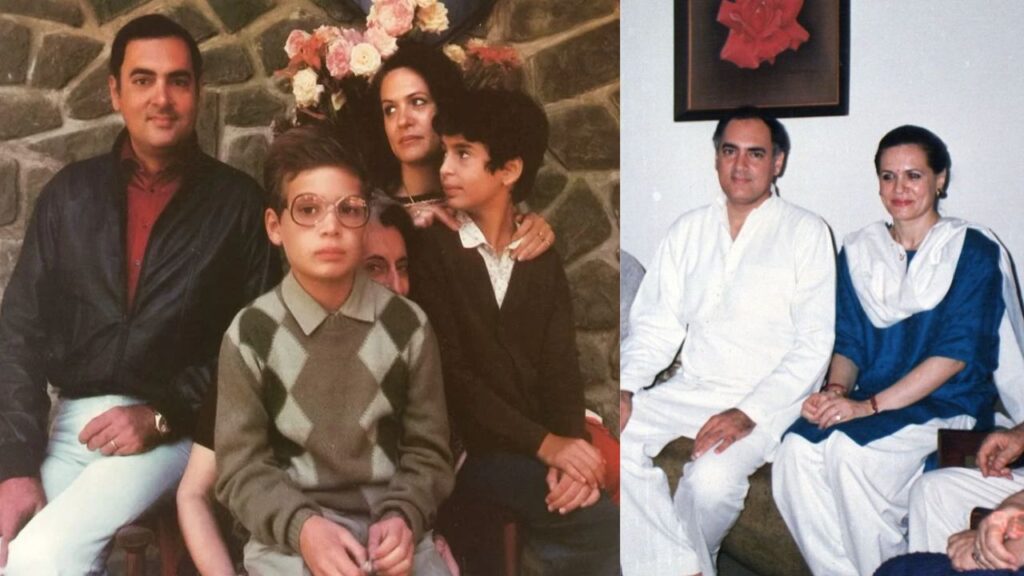
The memoir also offers a rare glimpse into Rajiv Gandhi's emotional vulnerability. Sonia recalls that despite his upbringing, which encouraged emotional restraint and a stiff upper lip, he broke down and cried alongside her.
The couple held each other as they attempted to cope with the loss of a child they had already grown deeply attached to. The account highlights the personal dimension of Rajiv Gandhi's life, offering a perspective beyond his later political career and public responsibilities.
(Img: {Pinterest)
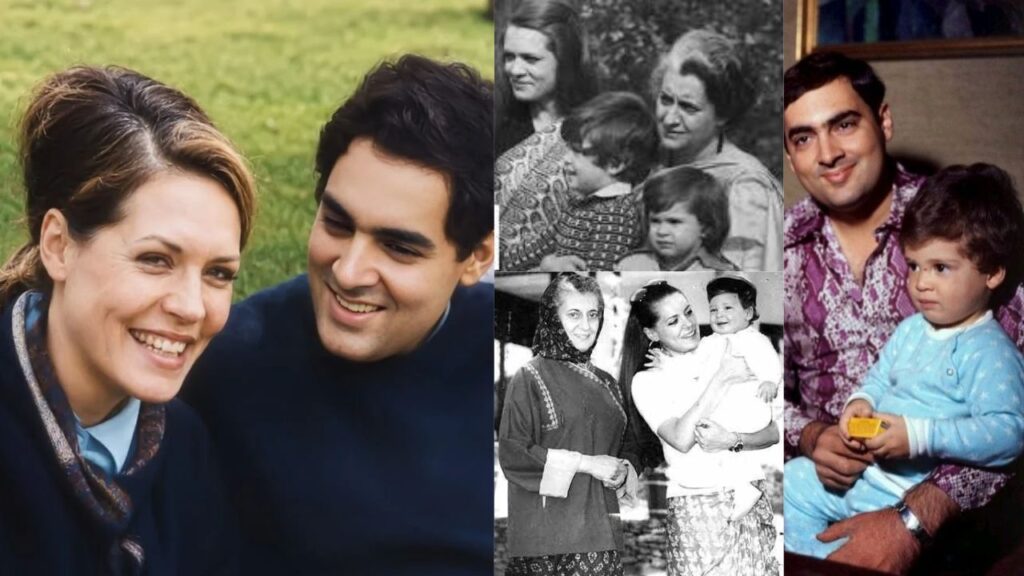
The tragedy also deeply affected Indira Gandhi, who was serving as India's Prime Minister at the time. According to Sonia Gandhi, Indira was away on an official tour when she learnt about the newborn's death. She immediately curtailed her engagements and returned to the hospital to be with her son and daughter-in-law.
Sonia remembers Indira embracing the grieving couple, with visible signs of distress in her eyes. The former Prime Minister reportedly remained with them for an extended period, offering emotional support during one of the family's most difficult moments.
Although Indira wanted to remain beside them, official responsibilities eventually required her to resume her scheduled engagements. She departed early the following morning, deeply saddened by the loss of a family event she had anticipated with considerable happiness.
The memoir's account reveals the emotional bond between Indira Gandhi and her daughter-in-law, particularly during a period when the family was dealing with an intensely private bereavement.
(Img: {Pinterest)
One of the most emotionally significant episodes in the memoir concerns the family's discussion over how the infant should be laid to rest. Sonia Gandhi recalls that traditional Hindu customs concerning the last rites of newborns became a subject of discussion within the family. According to the practices she describes, newborn children who die at a very young age are generally not cremated and may instead be immersed in a river.
However, Sonia was unable to accept the possibility of her child being consigned to a river. Her opposition was influenced partly by a disturbing memory from an earlier period of her life. She recalled seeing the body of a deceased man trapped near Delhi's Okhla barrage, where stray dogs were attempting to pull it out of the water.
The memory had left a lasting impression on her, making the thought of a similar fate for her newborn emotionally unbearable. She insisted that her baby should not be immersed in a river, despite the traditional practices being discussed. The family eventually decided to bury the child at Feroze Gandhi's farmhouse in Mehrauli, south Delhi.
The family ultimately chose burial as the way to lay the newborn to rest. According to Sonia Gandhi's memoir, Rajiv Gandhi and his younger brother Sanjay Gandhi carried out the burial beneath a pink bougainvillea bush at Feroze Gandhi's farmhouse in Mehrauli. The decision marked an emotionally painful moment for the family, which had been preparing to welcome a new member only days earlier.
Sonia recalls that the place remained significant to the family long after the burial. Whenever they visited the farmhouse, they would pause near the spot and place a flower there in remembrance of the child. The small gesture became a personal expression of continuing grief and remembrance, reflecting how deeply the loss had affected the couple.
The tragedy was compounded by a particularly distressing episode involving a publication that questioned the legitimacy of Sonia Gandhi's newborn child. According to her memoir, a right-wing publication carried a deeply offensive headline alleging that Indira Gandhi had failed in an attempt to become the grandmother of a child born outside marriage.
Sonia Gandhi writes that the article caused profound emotional pain and left a lasting psychological impact during an already devastating period. The attack added another dimension to her grief, intensifying feelings of inadequacy and guilt following the baby's death.
Her account describes the difficulty of confronting public cruelty while dealing with the private loss of a child. The episode also provides insight into the hostile public environment she encountered during her early years in India, long before she became a central figure in national politics. The memoir presents this incident as one of the most painful experiences of that phase of her life.
Sonia Gandhi became pregnant again later in 1969, with the family's anticipation now accompanied by anxiety following the previous tragedy. On June 19, 1970, she gave birth to Rahul Gandhi, who would go on to become a prominent Congress leader and the Leader of the Opposition in the Lok Sabha.
The birth marked a new chapter in the family's life after the devastating experience of losing their firstborn son. Sonia Gandhi's memoir connects these two deeply personal experiences, highlighting how the earlier tragedy remained an important part of her life even as the family moved forward.


