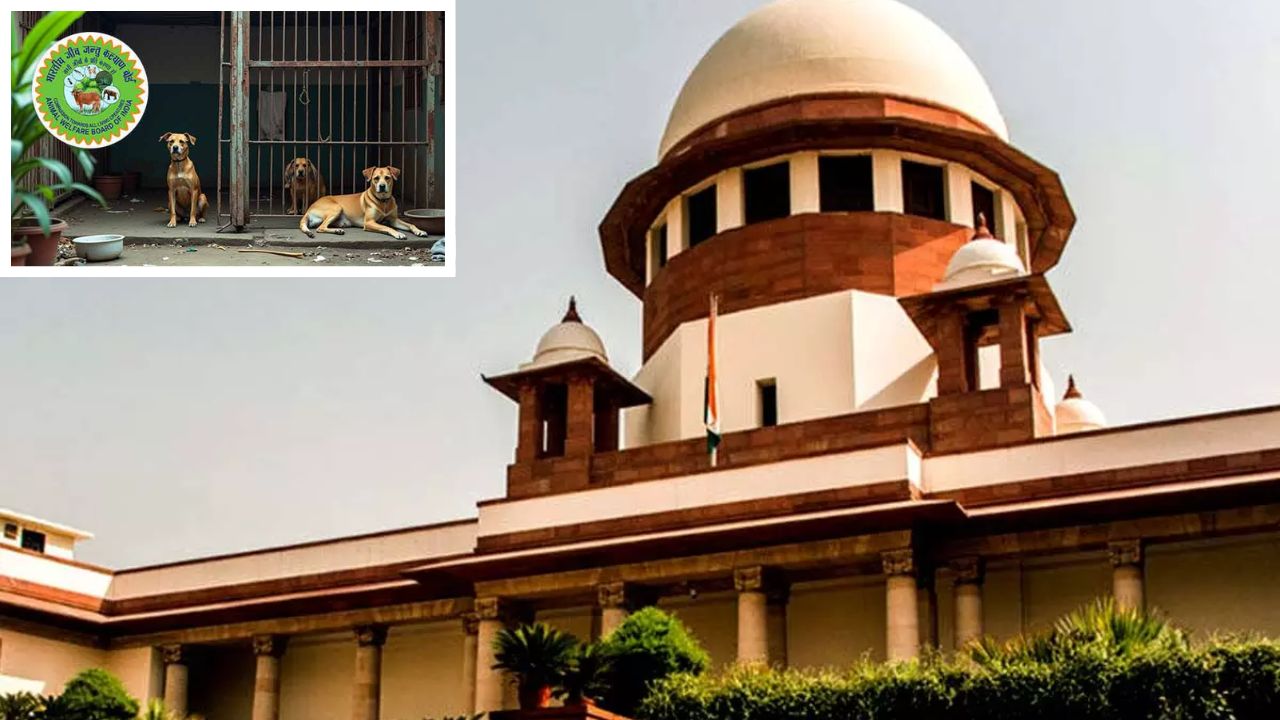
SC has criticized 15 states and UTs for not establishing Animal Welfare Boards
New Delhi: The Supreme Court of India has sharply criticised several states and Union Territories for failing to establish functioning Animal Welfare Boards as mandated by law. The court said the absence of these bodies raises serious concerns about the implementation of animal protection measures across the country.
The matter came up for hearing before a bench headed by Chief Justice Surya Kant on Friday.
‘Nobody Will Hire Women’: Supreme Court turns down plea on mandating menstrual leaves
During the hearing, the Chief Justice read out the names of 15 states and Union Territories that had not submitted affidavits on the issue despite earlier directions from the court. These include states such as Tamil Nadu, Uttar Pradesh, West Bengal, Punjab and Gujarat.
Expressing concern, the Chief Justice questioned why these states were yet to respond to the court’s earlier orders. The bench observed that the delay reflects a lack of seriousness in implementing animal welfare provisions.
The case was filed by petitioner Gauri, who alleged that Animal Welfare Boards at the state and district levels were either not established or not functioning effectively in many regions.
According to the petition, these bodies play a crucial role in preventing cruelty to animals and ensuring the enforcement of animal protection laws. Senior advocate Siddharth Luthra, representing the petitioner, told the court that both central and state authorities have not shown adequate attention to the issue.
Taking note of the concerns raised, the Supreme Court directed the states to immediately submit comprehensive details. These include information on whether the boards have been formed, the names of their members, funding allocations and the functioning of district-level committees.
The court also warned that failure to submit affidavits before the next hearing may lead to Chief Secretaries of the concerned states being summoned to appear personally before the bench.

