English
 English

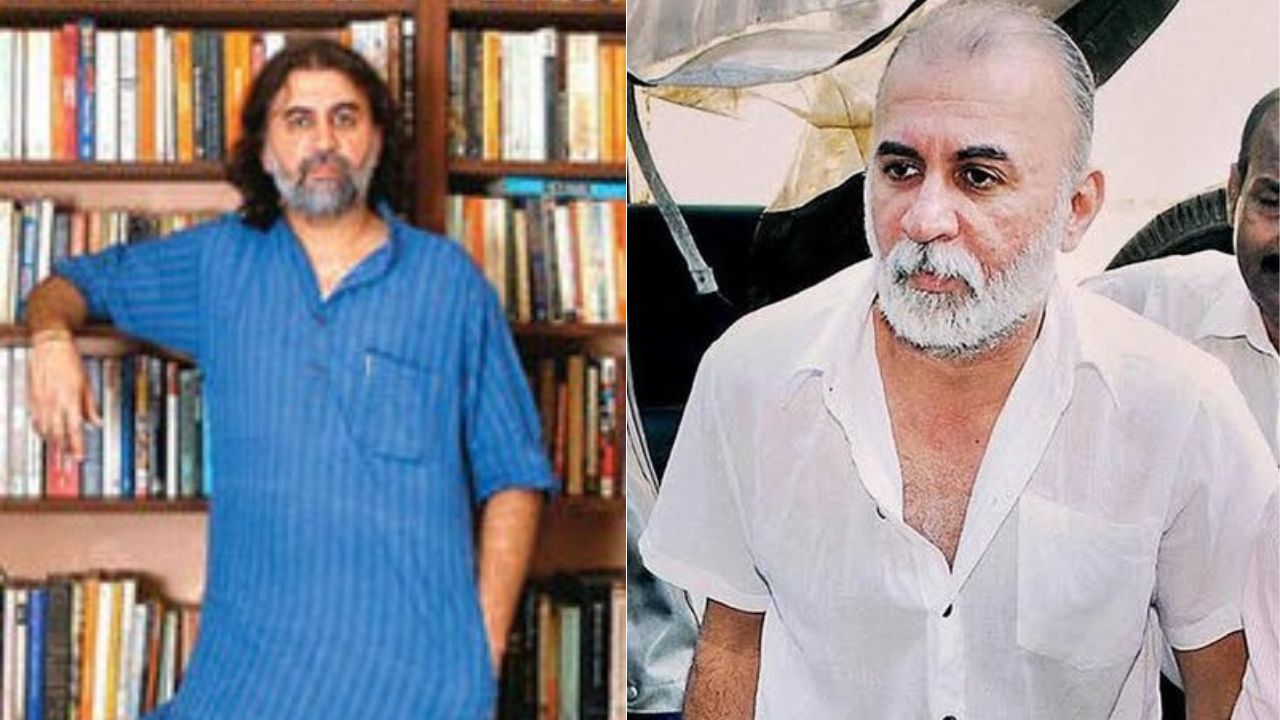
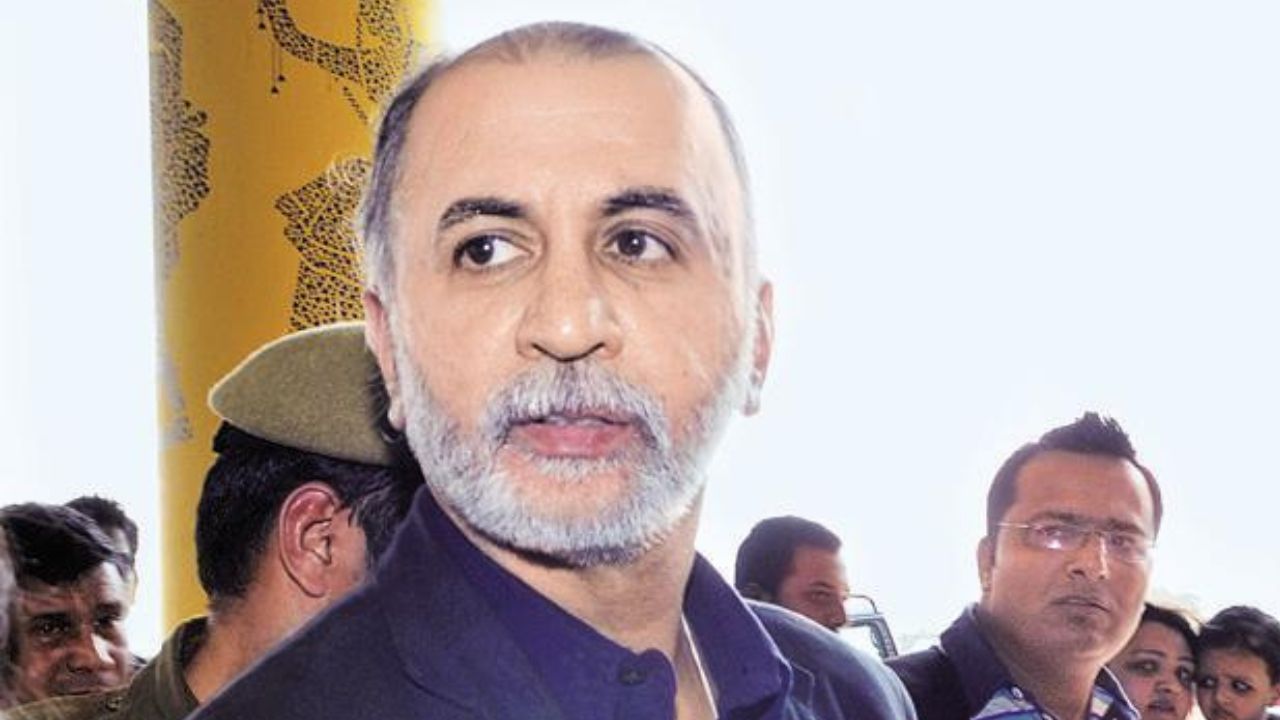
Tarun Tajpal (Img: Pinterest)
New Delhi: The life and story of Tarun Tejpal is one of the most dramatic journeys in Indian media history. A journalist who once became a symbol of fearless investigative reporting, challenged governments through his magazine Tehelka and earned the nickname "Che Guevara of Indian Journalism," later found himself at the centre of a high-profile sexual assault case that ended with his conviction.
From exposing corruption scandals through aggressive sting operations to facing a decade-long legal battle, Tejpal’s journey reflects the extraordinary rise and controversial fall of one of India’s most recognised media personalities.
Tarun Jit Tejpal was born on March 15, 1963, into a Punjabi family with an Indian Army background. His father’s military postings meant that he spent his childhood travelling across different parts of the country, living in various cantonments and experiencing diverse cultures. The constant movement gave him a wider understanding of Indian society and international affairs.
Unlike many students who focused only on academics, Tejpal developed a strong interest in history, world affairs and sports. He played basketball at national and inter-university levels and built a reputation for his intellectual curiosity. He studied economics at Punjab University, Chandigarh. In 1980, he also appeared for the National Defence Academy entrance examination and secured a position among the top candidates. However, instead of choosing a military career, he moved towards journalism.
Tejpal entered journalism in the early 1980s when Indian media was undergoing major changes. He started his professional journey with The Indian Express before joining India Today, one of the country’s leading news magazines. His early career gained attention after he secured an interview with Jarnail Singh Bhindranwale in 1983 at the Golden Temple in Amritsar. The assignment, considered a major achievement for a young reporter, established him as a journalist capable of accessing influential and controversial personalities.
At India Today, Tejpal became known for his sharp writing style, political understanding and investigative approach. His work earned him recognition among journalists and media professionals. Later, he joined The Financial Express and subsequently moved to Outlook magazine, where he worked as managing editor. His experience with mainstream publications helped him understand the limitations and possibilities of Indian journalism.
In 1998, Tejpal entered the publishing industry by establishing India Ink, a publishing house that gained attention after publishing Arundhati Roy’s internationally acclaimed novel The God of Small Things, which won the Booker Prize. In March 2000, at a time when digital journalism was still developing in India, Tejpal launched Tehelka.com, an independent online news platform focused on investigative journalism. Tehelka soon became synonymous with aggressive reporting, undercover investigations and anti-establishment journalism. The publication challenged powerful political and corporate figures and created a new identity in Indian media.
The biggest turning point in Tehelka’s early success came in 2001 with Operation West End, one of India’s most talked-about sting operations. Tehelka journalists carried out a covert investigation by posing as arms dealers and secretly recording conversations involving defence officials, political figures and middlemen. The investigation alleged corruption in defence deals and created a major political controversy.
The operation was compared by many observers to a Watergate-style moment in Indian journalism because of its impact on the political establishment. Following the investigation, Tehelka faced intense pressure, financial difficulties and legal challenges. The organisation struggled to survive but later returned as a print publication in 2004.
Tejpal’s work through Tehelka transformed him into one of India’s most influential media figures. The magazine reported on several major issues, including corruption allegations, the Jessica Lal murder case, the Gujarat riots, the Naxal movement and political controversies.
His style of journalism was seen by supporters as fearless and by critics as confrontational. He became a symbol of investigative journalism that directly challenged powerful institutions. In 2001, Asiaweek named Tejpal among Asia’s 50 most powerful communicators. BusinessWeek also included him among Asia’s leading figures driving change.
In 2007, The Guardian recognised him among India’s emerging influential personalities, while BusinessWeek listed him among India’s 50 most powerful people in 2009. Because of his rebellious image, investigative campaigns and opposition to established power structures, India Today Editor-in-Chief Aroon Purie famously described him as the "Che Guevara of Indian Journalism" in 2005.
Apart from journalism, Tejpal also created a name as a novelist. His first novel, The Alchemy of Desire, published in 2005, received international recognition. The book was translated into several languages and won France’s Prix Millepages award. He later wrote The Story of My Assassins in 2010 and The Valley of Masks in 2011, which was longlisted for the Man Asian Literary Prize. His literary career strengthened his image as a journalist, publisher and intellectual voice.
Tejpal’s reputation faced a major crisis in 2013 when a woman journalist working with Tehelka accused him of sexually assaulting her inside a hotel elevator in Goa during the magazine’s annual event. The alleged incidents took place on November 7 and November 8, 2013. The case triggered nationwide discussions about workplace safety, power imbalance in media organisations and accountability of influential personalities.
Following the allegations, Tejpal stepped down temporarily from his position at Tehelka. The Goa Police registered a criminal case against him under provisions of the Indian Penal Code related to sexual assault, harassment and use of criminal force against a woman.
The case continued through a lengthy judicial process. In 2021, a Goa sessions court acquitted Tejpal of all charges. The trial court’s observations about the complainant’s behaviour during and after the alleged incident became controversial and were challenged by the Goa government before the Bombay High Court. The state argued that the trial court had focused excessively on the complainant’s conduct instead of evaluating the evidence according to established legal principles. The prosecution highlighted emails sent by Tejpal after the incident, arguing that they reflected an acknowledgment of inappropriate conduct.
Tejpal’s defence team rejected the allegations and questioned the prosecution’s version of events. The defence relied on CCTV footage, electronic communications, witness statements and other evidence presented during the trial. Lawyers argued that the available material did not support claims of forceful assault. The defence also maintained that the emails described a consensual conversation and should not be interpreted as an admission of criminal wrongdoing.
The Bombay High Court later overturned the trial court’s acquittal and convicted Tarun Tejpal in the 2013 sexual assault case. The court found him guilty under legal provisions relating to rape, sexual harassment and criminal force against a woman.
The conviction marked a dramatic reversal in a case involving one of India’s most prominent journalists. The offences carry strict punishment provisions, including imprisonment that can extend to life imprisonment depending on the circumstances and judicial decision. During the sentencing proceedings, Tejpal sought leniency citing his age and personal circumstances while indicating his intention to pursue further legal remedies.
Tarun Tejpal’s journey remains one of the most debated stories in Indian journalism. He rose from a young reporter covering major political stories to the founder of Tehelka, a publication that changed the landscape of investigative journalism in India. His fearless reporting style made him a celebrated figure among many journalists.
However, the 2013 sexual assault case and subsequent conviction transformed public perception of his legacy. The story of Tarun Tejpal is now viewed as a complex chapter in Indian media history - a tale of ambition, influence, investigative courage, controversy and accountability. A journalist who once challenged the powerful eventually found himself facing one of the biggest legal battles of his own life.