 English
 English
New Delhi: Today, we are discussing Lionel Messi’s visit to India, a name that ranks among the biggest and most influential figures in world football. This visit is not just the journey of an international superstar, but a significant event connected to India’s sports culture, particularly the future of football, the aspirations of young people, global sports politics, and sports diplomacy.
Senior journalist Manoj Tibrewal Aakash, in his show “The MTA Speaks,” explains why Lionel Messi came to India, what India gained from his visit, and why political controversy has emerged around it. He also highlights the importance of Messi’s programs in Kolkata, Hyderabad, Mumbai, and Delhi. Additionally, the show offers a detailed insight into Messi’s life, his struggles, achievements, and the complete journey that made him one of the greatest footballers in the world.
Lionel Messi's name needs no introduction in the world of football today. When the news broke that Messi was coming to India, there was tremendous excitement among sports enthusiasts across the country. Trends started appearing on social media, football fans' old memories were revived, and a new energy was visible, especially among the youth. In a country like India, where cricket has long been the most popular sport, such a craze for a football player indicates that the preference and perception of sports are slowly changing. This is why Messi's visit was not just a sports news story, but also became a subject of social, cultural, and political discussion.
The MTA Speaks: Who is responsible for India’s worst flight disruptions? In-depth analysis
Lionel Andrés Messi was born on June 24, 1987, in Rosario, Argentina. Born into a modest family, Messi’s childhood was full of struggles. From a very young age, he displayed extraordinary talent for football. However, during this period, he was diagnosed with a condition called Growth Hormone Deficiency, which affected his physical development. The treatment was extremely expensive, and his family’s financial situation was not strong enough to sustain it for long. As a result, Messi’s football career was almost in danger even before it began.
This is where a decisive turning point came in his life when the famous Spanish club FC Barcelona recognized his talent. The club not only gave Messi a place in its youth academy, ‘La Masia’, but also took full responsibility for his medical treatment. This decision was not just about giving a player a chance, but proved to be the foundation for a future footballing legend. During his training at Barcelona, Messi surprised everyone with his skills, and it quickly became clear that this player was extraordinary.
Messi's career in club football has been historic. Playing for FC Barcelona for nearly two decades, he led the club to numerous Spanish League titles, Champions League titles, and other international trophies. His dribbling, incredible ball control, ability to navigate tight spaces, and effortless goal-scoring style set him apart from other players. Later, he played for the French club Paris Saint-Germain and then joined Inter Miami in the United States, leaving his mark on Major League Soccer as well.
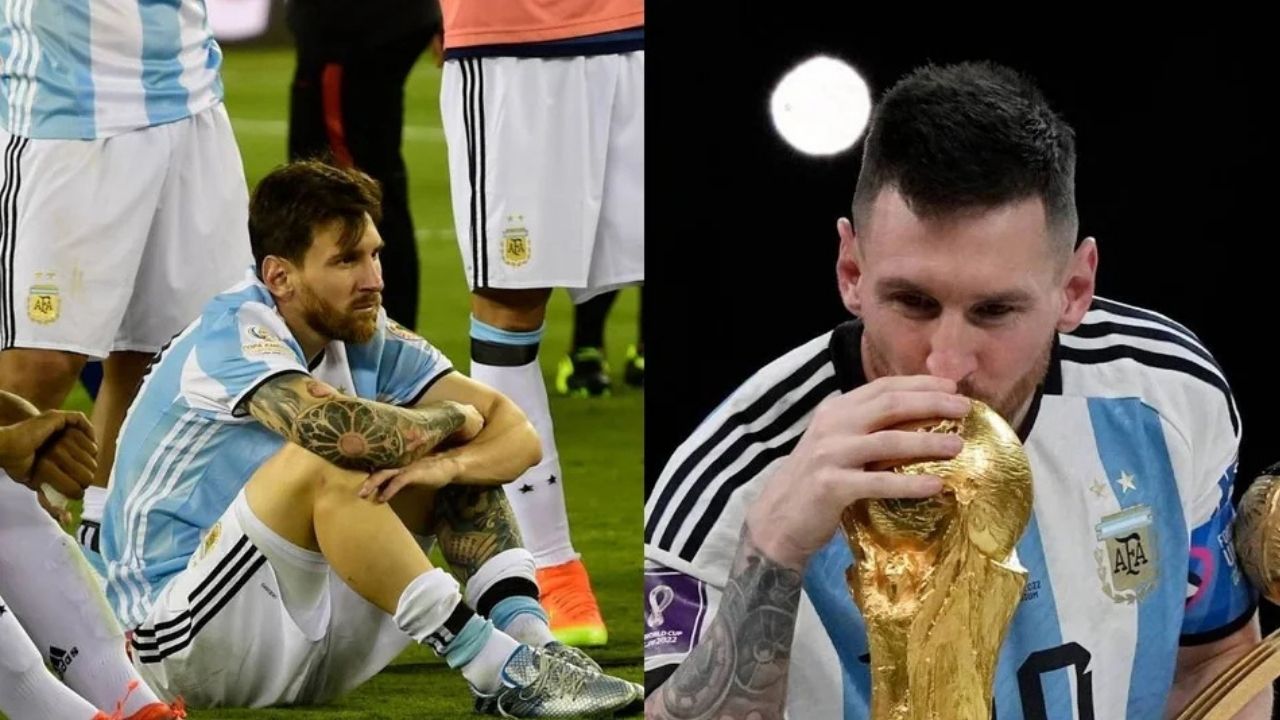
In international football, Messi has been the face of the Argentine national team. For a long time, critics argued that Messi was great at the club level but hadn't won a major title for his country. However, by winning the Copa America in 2021 and then the FIFA World Cup in 2022, he silenced this debate forever. The World Cup victory was not only historic for Argentina but is also considered the greatest achievement of Messi's career. After this, he began to be placed at the top of the list of all-time great footballers.
Messi holds several historical records. He has won the Ballon d'Or award a record eight times, which is given to the world's best footballer. He holds the record for the most goals scored in a calendar year, over 800 goals in club and international football combined, the most goals and assists for Argentina, and has won the World Cup, Copa America, and an Olympic gold medal. These statistics are not just numbers; they tell the story of the consistency, discipline, and dedication that made Messi great.
Messi has millions of fans worldwide, and India is no exception. Especially in Kerala, West Bengal, and the northeastern states, Messi's fandom is nothing short of a festival. Here, people see him not just as a player, but as an example of struggle and success. His posters, jerseys, and flags are often seen on streets, houses, and even tea stalls. This is why Messi's visit to India was also an emotional moment for Indian football fans.
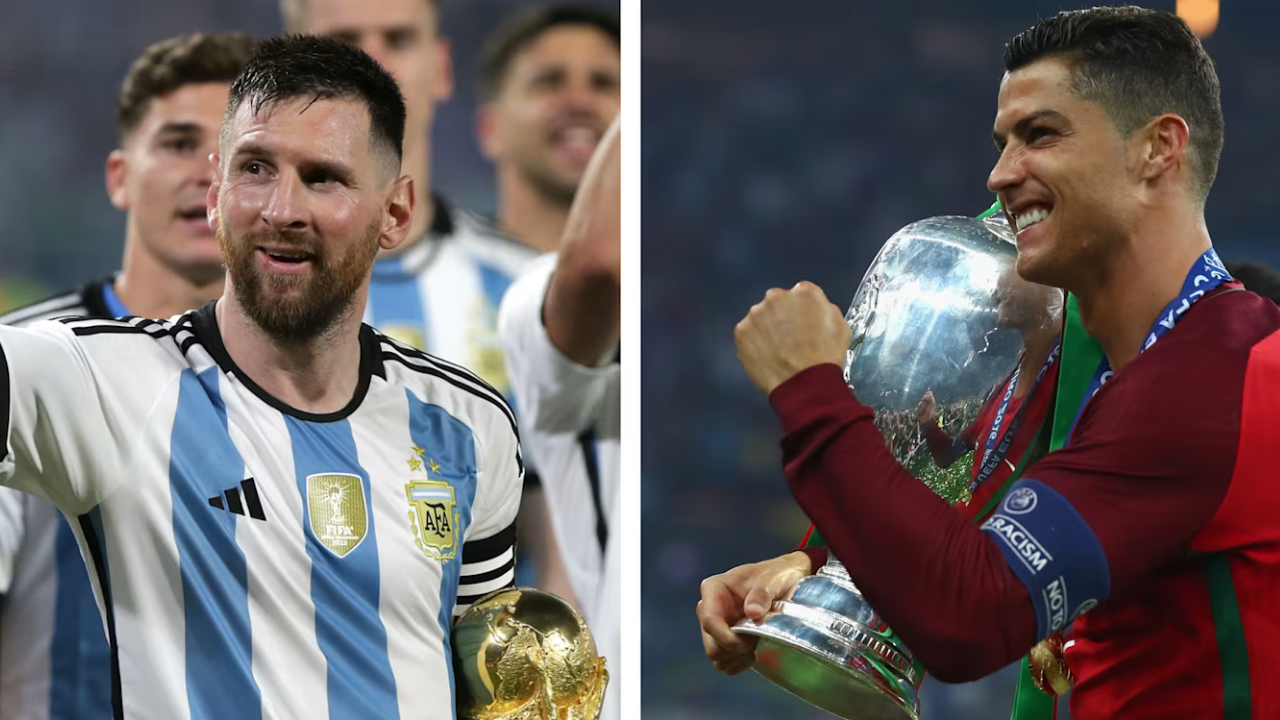
The rivalry between Messi and Cristiano Ronaldo is also a significant chapter in the world of football. For the past decade and a half, the debate has raged about who is better. Ronaldo is known for his physical strength, heading ability, and goal-scoring prowess, while Messi is a symbol of technique, creativity, and finesse. This rivalry has taken football to new heights globally and played a major role in bringing the sport to billions of viewers.
Now, let's talk about Messi's visit to India. This visit was not limited to just formal events. It had several objectives behind it, such as promoting football in India, inspiring young people, exploring new brand and investment opportunities, and presenting India as an emerging football market to the world. Given India's vast youth population, growing interest in sports, and digital reach, international sports organizations now have their eyes on India.
Messi's presence was seen as a strong signal in this direction.
Kolkata, often called the capital of Indian football, gave Messi a welcome nothing short of a celebration. The city's rich football history, the legacy of clubs like East Bengal and Mohun Bagan, and the passion of the fans made this visit even more special. Messi's presence in Kolkata sent the message that India's football culture is still vibrant.
Messi's events in Mumbai and Hyderabad focused on branding, interaction with young players, and the commercial aspects of the sport. It was clear here that football is no longer just a game, but also a major industry, where investment, marketing, and global connections play a crucial role.
Messi's visit to Delhi was considered important from a political and policy perspective. Here, sports administration, policymakers, investors, and political discussions were at the center of attention. Speculation about a meeting with the Prime Minister further fueled the discussions surrounding the visit. This is also where the politics surrounding Messi's India visit came to the forefront. Different states and leaders tried to showcase their contribution to the development of football. Some claimed it as their achievement, while others questioned whether such a high-profile visit would truly benefit the sport at the grassroots level.
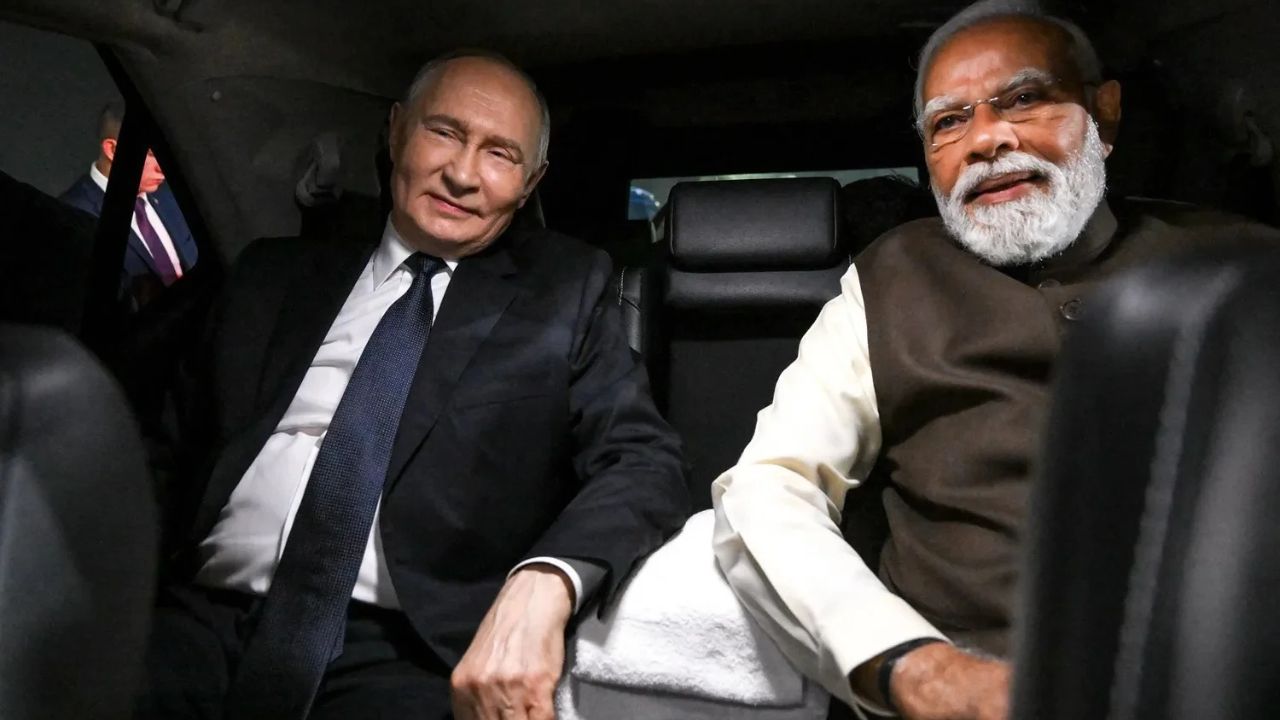
The MTA Speaks: How Putin’s visit reshapes India-Russia ties? Key deals and strategic outlook
There is no doubt that Messi's visit gave Indian football international recognition. It boosted enthusiasm among the youth, increased discussions about football, and attracted the attention of investors. From a sports diplomacy perspective, the visit was also beneficial for India, as it strengthened India's image as an emerging sporting nation. But it is also true that a single visit cannot change the entire landscape of Indian football. Real change will only come when this enthusiasm is channeled into grassroots football, school and college leagues, better infrastructure, coaching, and robust policies.
Players like Messi inspire, but a strong system is necessary for a long-lasting impact. Messi's India tour is an important chapter in the history of Indian sports. This visit shows that India no longer wants to be limited to cricket, but also wants to make its mark globally in other sports, including football. If passion, policy, and hard work come together, the day is not far when Indian football will also make its strong presence felt on the world stage. Messi's visit will always be remembered as a memorable and inspiring step in that direction.