

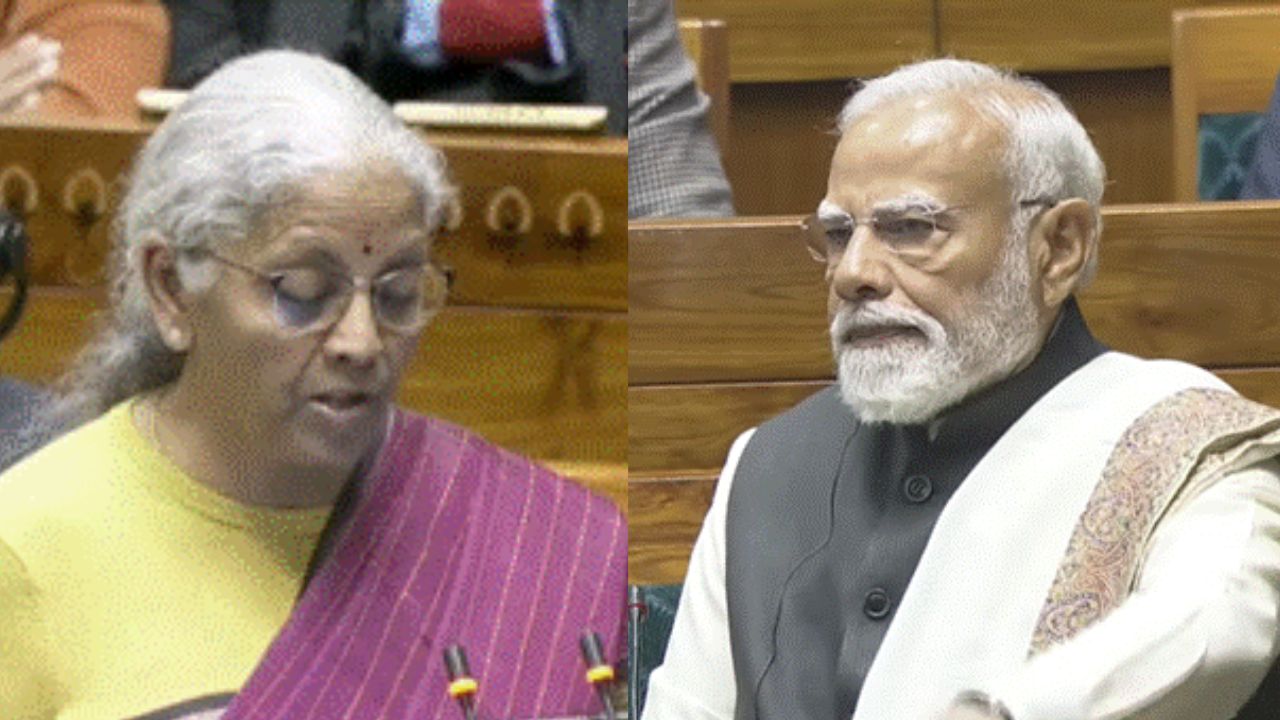
New Delhi: Union Minister of State (Independent Charge) for Ayush, Prataprao Jadhav, has welcomed the Union Budget 2026-27, calling it a transformational moment for India’s traditional systems of medicine.
He expressed heartfelt gratitude to Prime Minister Narendra Modi and Finance Minister Nirmala Sitharaman for announcements that significantly strengthen the Ayush ecosystem across education, research, healthcare delivery, and global leadership.
A Visionary Push for Integrative Healthcare
Describing the Budget as visionary and future-oriented, Jadhav said the government is committed to building a holistic and inclusive healthcare system where Ayush is not seen as an alternative, but as an essential part of integrative healthcare. The announcements reflect a long-term vision to make preventive care, wellness, and traditional medicine central to India’s health strategy.

Creator Labs Planned in Schools and Colleges to Strengthen India’s Gaming Economy
Major Focus on Education and Research
One of the most historic announcements in the Budget is the proposal to set up three new All India Institutes of Ayurveda (AIIAs). These institutes will expand undergraduate and postgraduate education, promote advanced research, and offer high-quality tertiary care.
By building on the success of existing national institutes, the new AIIAs aim to improve academic standards and strengthen evidence-based Ayurveda across the country.
Upgrading Quality and Boosting Exports
The Budget also proposes upgrading Ayush pharmacies and drug testing laboratories to meet higher certification standards. This move will improve product quality, increase consumer trust, and make Indian Ayush products more competitive in global markets. It will also benefit medicinal plant farmers and MSMEs involved in processing and manufacturing Ayush medicines.
India as a Global Hub for Traditional Medicine
To strengthen India’s leadership on the world stage, the WHO Global Traditional Medicine Centre at Jamnagar will be upgraded. This step will deepen international research collaboration, training, and policy discussions, positioning India as the global knowledge centre for traditional medicine.
Union Budget 2026: Income Tax filing to become easier; New IT Act to come into effect from 1 April
Ayush and Medical Value Tourism
In a significant economic initiative, Ayush Centres will be integrated into five Regional Medical Value Tourism Hubs. These hubs will combine modern medical treatment with traditional therapies, wellness services, and rehabilitation. This is expected to create large-scale employment for Ayush doctors, therapists, yoga instructors, and allied professionals.
Skill Development and Employment Generation
The inclusion of yoga and wellness skills in NSQF-aligned caregiver training programmes is another key step. With a target of training 1.5 lakh caregivers in one year, the initiative will strengthen preventive care, elderly care, and the growing care economy while mainstreaming Ayush-based skills.
A Decade of Growth, Now Moving to Global Integration
Jadhav highlighted that over the past decade, Ayush has seen massive institutional growth, global recognition, digital expansion, and research progress. He said this Budget marks a shift from expansion to quality enhancement, consolidation, and global integration, making traditional medicine an integral part of India’s healthcare future.
Health Policy Linked with Economic Growth
The Minister emphasized that these measures connect healthcare with rural livelihoods, exports, youth employment, and entrepreneurship. Together, they strengthen India’s ambition to become the world capital of evidence-based holistic healthcare.
A Defining Moment for India’s Healthcare Future
Concluding his remarks, Jadhav reiterated his gratitude to the Prime Minister and Finance Minister, stating that the Budget represents a decisive step toward institutionalising integrative healthcare—ensuring a healthier, self-reliant, and globally respected India.