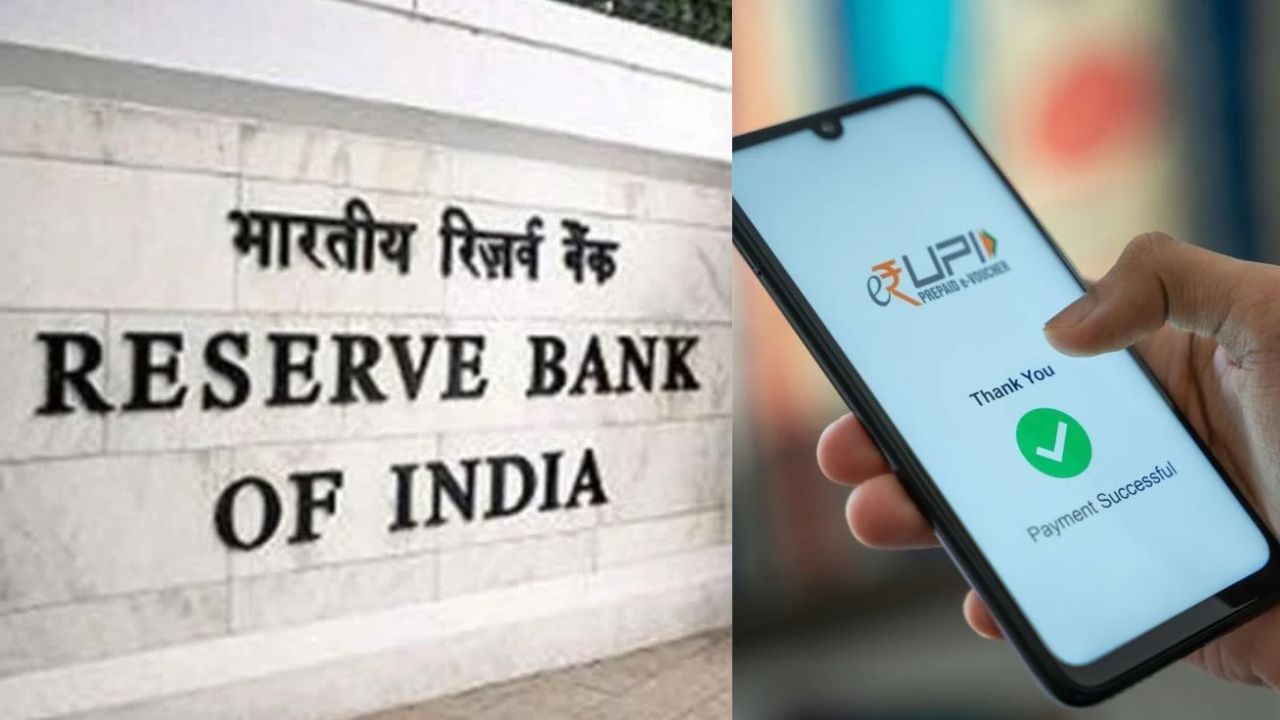
UPI charges explained: Here is what the new 0.4% MDR rule means for consumers and merchants. (Img: Dynamite News)
New Delhi: The RBI has backed the introduction of a 0.4% Merchant Discount Rate on specified UPI payments above Rs 2,000, saying the move will help strengthen the long-term sustainability of India’s digital payments ecosystem. For ordinary users, however, UPI payments will remain free, including all person-to-person transfers and merchant payments up to Rs 2,000.
The development has triggered widespread interest because UPI has become a part of everyday life in India, from buying groceries and paying bills to transferring money to family members. The new framework marks a major shift in the economics of the UPI ecosystem after years of zero MDR for merchant transactions.
The Reserve Bank of India has described the introduction of MDR on large-value UPI merchant transactions as an important step towards strengthening the payment system’s long-term sustainability.
The central bank said the new framework can support continued investment in payment technology, digital infrastructure and merchant acceptance networks. According to the RBI, this could help expand UPI acceptance, bring more customers and businesses into the digital payments ecosystem and support sustained growth in transaction volumes.
The announcement comes after the government and the National Payments Corporation of India introduced a revised framework under which a 0.4% MDR will apply to specified person-to-merchant UPI transactions above Rs 2,000 from October 15, 2026.
For most consumers, the answer remains no. The government has clarified that person-to-person, or P2P, UPI transactions will remain completely free irrespective of the amount being transferred. This means users sending money to family members, friends or other individuals will not face MDR.
Merchant payments up to Rs 2,000 will also remain free. The government has further said that small merchants covered under the zero-MDR framework will continue to receive payments without MDR. The government estimates that around 96 percent of merchant transactions will remain unaffected by the new MDR framework.
The key change affects specified person-to-merchant, or P2M, UPI payments above Rs 2,000. An MDR of 0.4% will apply to such transactions. The fee is paid within the payment ecosystem rather than being directly charged to the customer.
For transactions of Rs 75,000 and above, the MDR will be capped at Rs 300 per transaction. This means the percentage-based charge will not continue increasing beyond the specified cap. For example, if a customer makes a Rs 10,000 eligible merchant payment through UPI, the MDR at 0.4% would amount to Rs 40.
The charge is applicable within the merchant payment ecosystem rather than being imposed on the consumer as a separate UPI transaction fee.
Merchant Discount Rate, or MDR, is a fee associated with accepting digital payments. Under the new UPI framework, the MDR collected on eligible transactions will be distributed among participants in the payment ecosystem, including banks, payment service providers and UPI application providers.
The government has specifically clarified that MDR is not a tax and is not money collected by the government or NPCI. Instead, it is intended to support the operation and expansion of the payment ecosystem.
This distinction is important because the announcement has been widely described as the return of UPI charges, while the actual framework is targeted at specified merchant transactions rather than consumers using UPI.
The RBI’s argument is centred on the financial sustainability of the UPI ecosystem. UPI has expanded rapidly across India, with millions of consumers, merchants, banks and payment applications now dependent on the infrastructure.
The government reported that UPI had 55.49 crore users as of June 2026, while the platform processed 24,162 crore transactions during financial year 2025-26, with transaction value reaching Rs 314 lakh crore.
The RBI has said a fair distribution of MDR among ecosystem participants can support investment in technology, infrastructure and merchant acceptance networks.
The broader objective is to ensure that the payment network can continue expanding while maintaining the infrastructure and innovation required to process an increasingly large number of transactions.
The new framework changes the cost structure for certain higher-value merchant payments. For years, the absence of MDR helped UPI become highly attractive to merchants, particularly small businesses, because they could accept digital payments without paying a transaction fee under the prevailing framework.
The revised system introduces a limited MDR for specified higher-value transactions while retaining zero MDR for P2P payments, merchant payments up to Rs 2,000 and eligible small merchants. The government has said the framework is designed to protect individuals and micro-enterprises while creating a payment structure for larger merchant transactions.
Street vendors, neighbourhood stores and other small businesses covered under the zero-MDR framework will continue to be protected from the new charge. The government has specified that small merchants receiving up to Rs 1 lakh per month through UPI QR codes under the relevant P2PM category will continue to receive zero MDR on their transactions.
This provision is significant because small merchants have been among the biggest beneficiaries of QR-based digital payments. The framework therefore creates a distinction between everyday low-value merchant payments and larger transactions handled by businesses outside the protected small-merchant category.
The new framework also provides a separate treatment for certain essential and thin-margin sectors. Eligible merchant transactions above Rs 2,000 in sectors such as railways, telecommunications, insurance, fuel and agricultural inputs will attract a flat MDR of Rs 5 per transaction rather than the standard 0.4% rate. The differentiated structure is intended to provide greater cost certainty for sectors where profit margins can be relatively narrow.
Capital market-related transactions have also been given a separate MDR structure. Payments involving mutual funds, securities, stockbrokers and dealers will attract an MDR of 0.02%, subject to a maximum cap of Rs 300 per transaction. The lower rate is designed to avoid putting a disproportionate payment cost on transactions connected with formal financial markets.
The new framework does not mean that UPI has become a paid service for everyone. Person-to-person UPI payments remain free regardless of the amount. Merchant payments up to Rs 2,000 remain free, while eligible small merchants continue under the zero-MDR framework.
The government has also said users will not face platform fees or hidden charges for making UPI payments under the new arrangement, and banks have been advised to ensure that merchants do not pass the MDR directly on to customers. This distinction is crucial for consumers trying to understand the headline about UPI charges.
The change comes at a significant point in India’s digital payments journey. UPI has evolved from a relatively new payment platform into a major part of the country’s financial infrastructure. It is now used across retail shopping, e-commerce, utility payments, transportation, financial services and everyday money transfers.
The introduction of MDR therefore represents more than a change in transaction pricing. It raises a broader question about how India will finance the technology, security, infrastructure and merchant acceptance networks required to operate UPI at massive scale. The RBI believes a more sustainable payment ecosystem can support continued investment and expansion.
For consumers, the immediate impact is narrower than the phrase “UPI charges” may suggest. A person transferring Rs 5,000 to another individual through UPI will continue to make that P2P transaction free. A customer making an eligible Rs 1,500 merchant payment will also not face MDR.
The new charge applies to specified merchant transactions above Rs 2,000, with the fee being part of the merchant-side payment ecosystem rather than a direct customer transaction charge. Consumers should therefore distinguish between sending money to another person and paying a business.
The revised MDR framework takes effect from October 15, 2026. Banks, payment service providers, UPI applications, payment aggregators and merchants will have to operate within the new framework.
The RBI and government have positioned the move as part of a broader effort to create a sustainable economic model for India’s rapidly expanding digital payments infrastructure.
For consumers, the key takeaway remains simple: everyday P2P UPI transfers remain free, merchant payments up to Rs 2,000 remain free, and eligible small merchants continue to receive zero-MDR protection.
The major change is the introduction of a 0.4% MDR on specified merchant transactions above Rs 2,000, subject to the applicable caps and sector-specific provisions.

