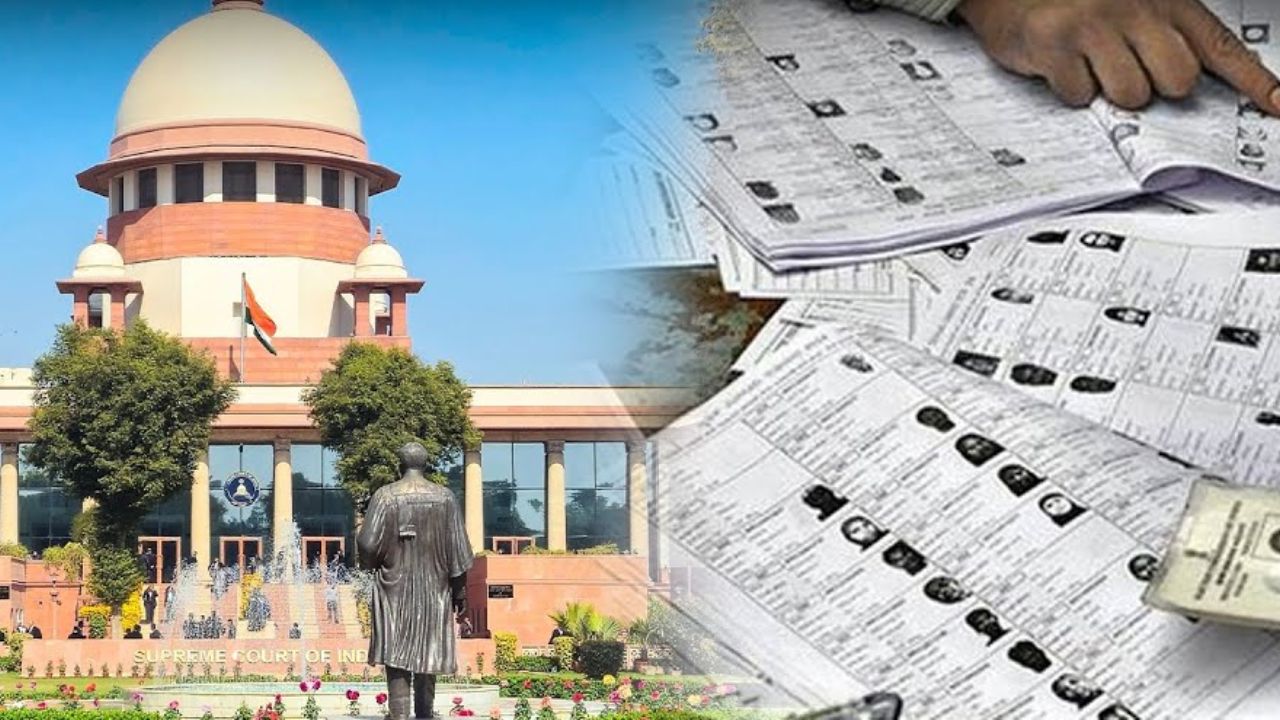
SC said it was important to ensure “fairness in adjudication of genuineness of documents”
New Delhi: In a rare and significant intervention, the Supreme Court of India has decided to depute serving and former judicial officers to oversee the adjudication of disputed voter claims in West Bengal’s ongoing Special Intensive Revision (SIR) exercise.
A three-judge bench led by Chief Justice of India Surya Kant observed that extraordinary circumstances required extraordinary measures. The court cited a visible “trust deficit” and an ongoing blame game between the Election Commission of India and the West Bengal government.
Supreme Court dismisses plea to ban mosque named after Babur, Refuses to intervene
The SIR exercise, launched in November 2025, led to the publication of a draft electoral roll in December that excluded nearly 5.8 million names. Additionally, about 11.6 million voters were placed under a controversial “logical discrepancy” category, requiring further scrutiny.
The court stressed the need to ensure fairness in examining documents that would determine whether individuals are included or excluded from the final electoral roll. It directed that judicial officers of the rank of district judge or additional district judge be appointed district-wise to revisit and dispose of claims.
The bench requested the Chief Justice of the Calcutta High Court to devise an appropriate mechanism for deploying judicial officers. A joint meeting involving state officials, the Director General of Police, representatives of the Election Commission, and legal officers has been scheduled to resolve procedural bottlenecks.
The court clarified that its only concern was to ensure that the revision process proceeds smoothly and is completed without hindrance before the upcoming state elections.
While the state government sought completion of the entire exercise before February 28, the court declined to impose strict timelines, noting the enormous volume of pending claims. It permitted the Election Commission to publish the electoral roll to the extent it is finalised by February 28, with subsequent updates to follow as adjudication continues.
The ruling underscores the judiciary’s effort to restore confidence in the electoral process and ensure transparency in a politically sensitive exercise ahead of crucial polls.

