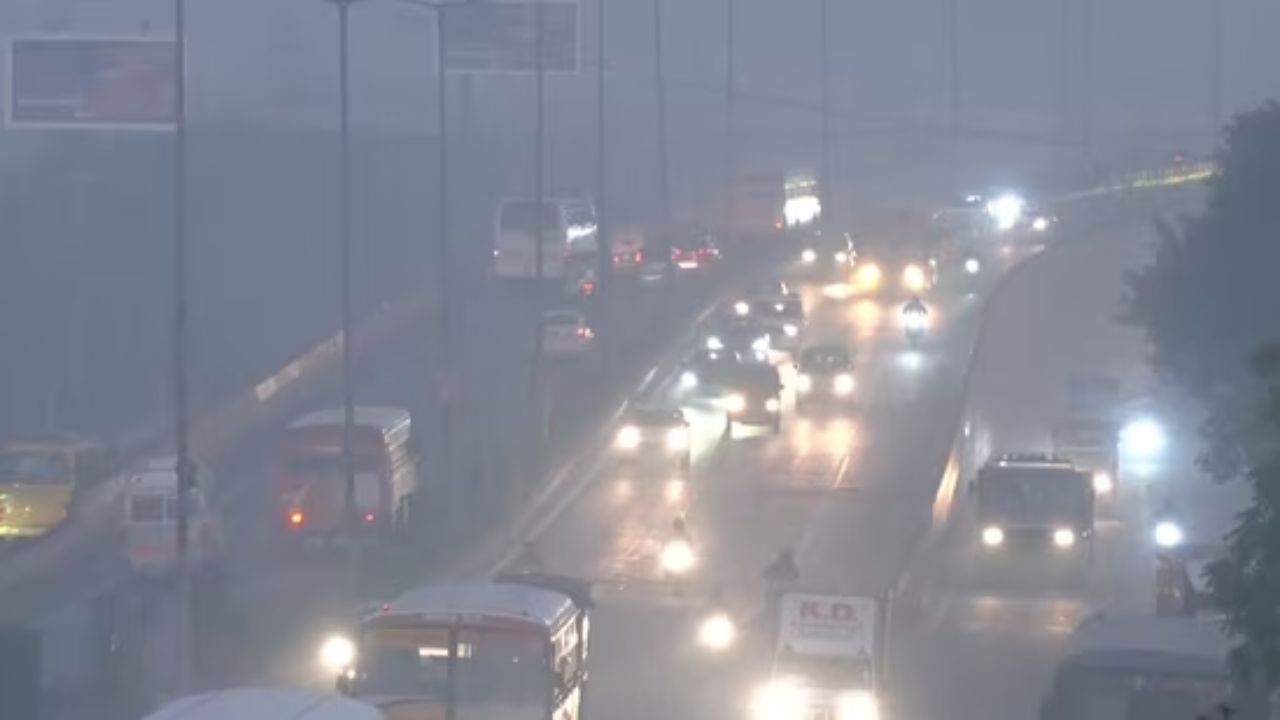
Stricter anti-pollution measures in Delhi from Thursday
New Delhi: The worsening air quality has prompted the government to announce stricter measures under the Graded Response Action Plan (GRAP). Starting Thursday, all government and private offices are required to operate in hybrid mode, with a maximum of 50% of staff attending workplaces physically.
The work-from-home mandate comes with exceptions for emergency and frontline workers, including those in hospitals, fire services, and departments actively involved in pollution control.
Delhi Labour Minister Kapil Mishra emphasized that while the rule applies broadly, essential services will continue functioning in physical mode to maintain critical operations.
“Waiting in Vain”: Tharoor slams pollution in north Indian cities after IND Vs SA T20 called off
In addition to office restrictions, trucks carrying construction materials will be prohibited from entering Delhi. This step aims to curb dust and particulate emissions contributing to hazardous smog. The government has assured that construction workers affected by the restrictions will receive ₹10,000 as compensation for the days GRAP Stage IV remains in effect. Registration for compensation is currently underway.
To further tighten pollution control, the Delhi government has made it compulsory for all vehicles to carry valid Pollution Under Control (PUC) certificates. Vehicles without PUC certification will be denied fuel at petrol pumps. PUC certificates are issued following emission checks at authorized centers and cost ₹60 for two- and three-wheelers, ₹80 for four-wheelers, and ₹100 for diesel vehicles. Certificates are valid for 12 months for vehicles compliant with Bharat Stage IV or VI standards.
Vehicles below BS-6 emission standards, especially those registered outside Delhi, will not be allowed to enter the city during GRAP Stage III and IV periods. Enforcement teams from the Delhi Traffic Police and Transport Department will monitor city borders and petrol stations to ensure compliance.
The stricter measures come as Delhi recorded AQI levels in the ‘severe’ category, reaching 410 in areas like Akshardham. The Sub-Committee of GRAP under the Commission for Air Quality Management (CAQM) convened an emergency meeting on December 13 to invoke Stage IV restrictions immediately. The Supreme Court recently lifted protections for BS-3 and older vehicles, allowing enforcement of stricter vehicular norms.
In addition to enforcement measures, the Delhi government plans to launch its own carpooling app to reduce private vehicle usage and curb emissions. Authorities urge commuters to comply with these regulations to improve air quality and protect public health.
With these measures in place, Delhi aims to combat its persistent smog and prevent further deterioration of air quality in the coming days.

