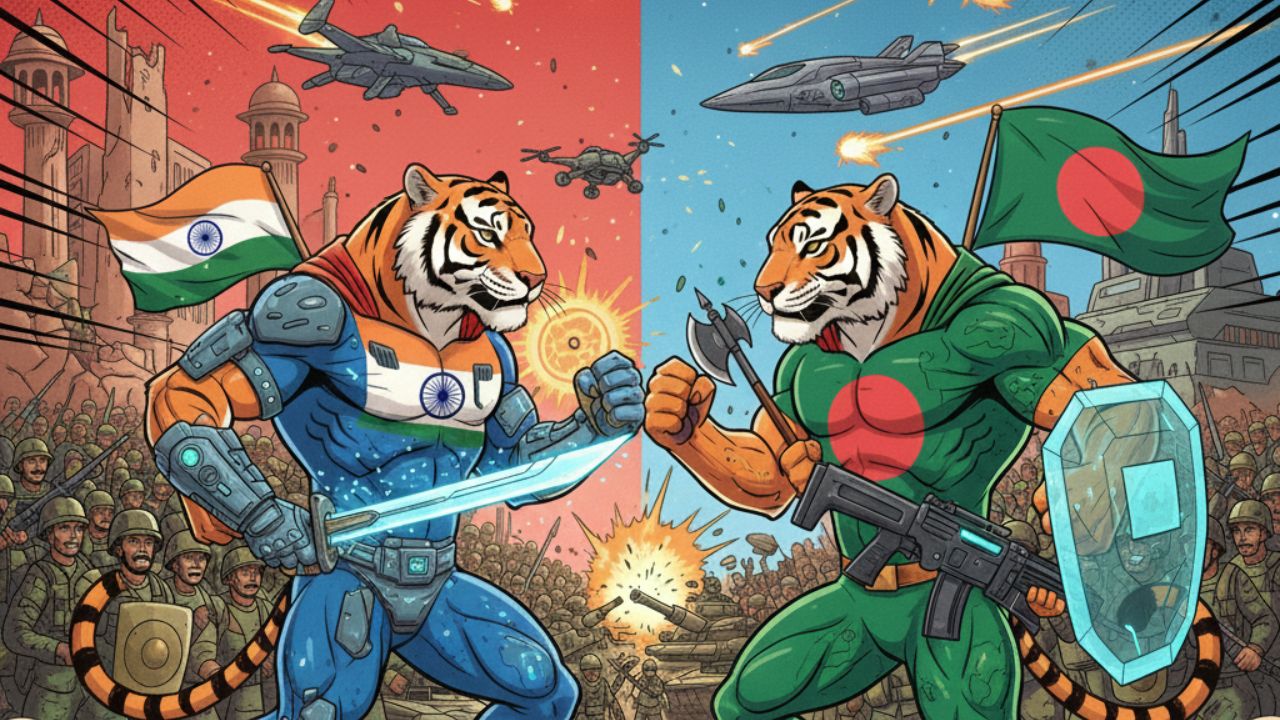
Representational Image crafted with the help of AI
New Delhi: The death of uprising leader Osman Hadi has plunged Bangladesh into simmering unrest. He was shot on December 12 and had been receiving treatment in Dhaka until he was airlifted to Singapore for further treatment.
The nation erupted into violence, streets thick with anger as crowds surged and torched organized buildings, torching newspaper offices and targeting symbols linked to political establishments.
Local reports started the narrative against India, claiming India had hatched the conspiracy to reignite the political instability in Bangladesh.
Who was Osman Hadi? Death of student leader sparks violence in Bangladesh
To shirk the responsibility, Bangladesh's interim government started the geopolitical blame game, and on December 14, Bangladesh's Foreign Ministry summoned Indian High Commissioner Pranay Verma, asking for India's cooperation in preventing the escape to India of the suspects involved in the attempted assassination.
Some observers described the accusations as a form of external scapegoating amid growing domestic pressure. On Wednesday, India had summoned Bangladesh’s high commissioner in New Delhi to convey serious concerns over the deteriorating security situation, particularly threats directed at Indian diplomatic missions.
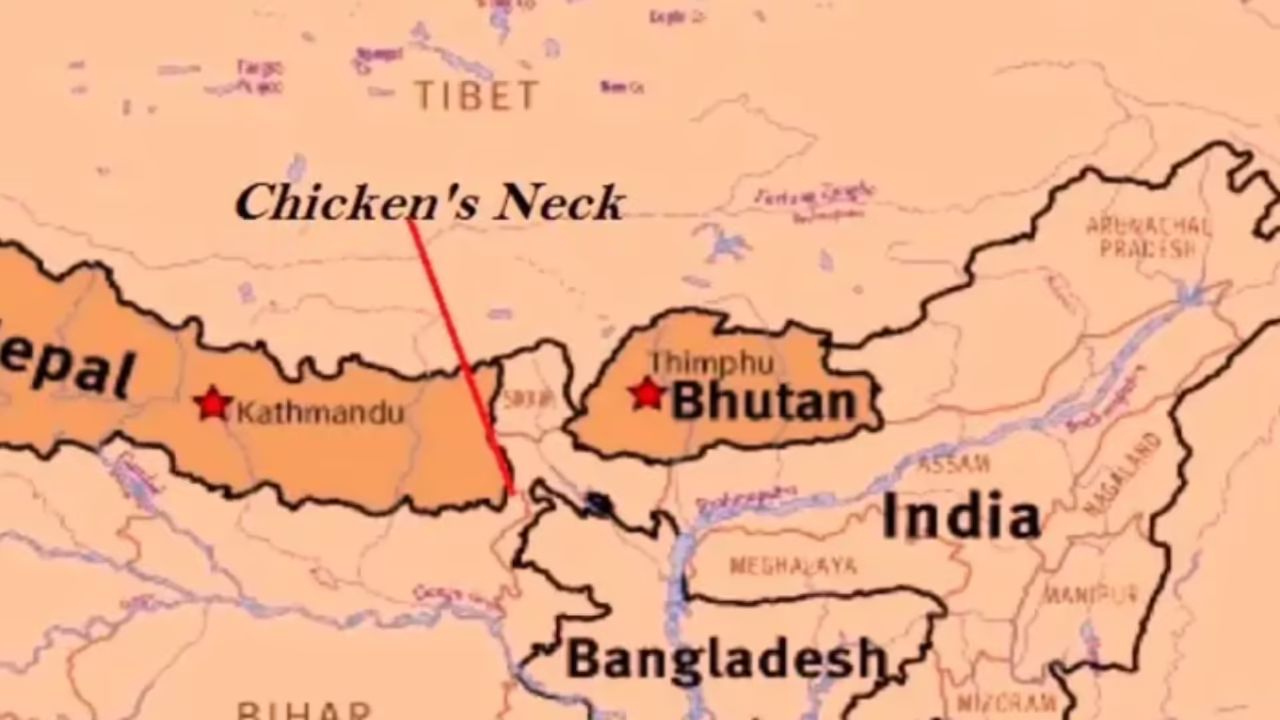
Silliguri Corridor
Indian authorities suspended visa services in Dhaka amid fears for staff safety and urged the interim government to meet its diplomatic obligations.
But the question remains inconclusive: even amid deepening regional mistrust and proxy accusations, why does India continue to tolerate the eruption of nihilistic rage on the streets of Bangladesh? And why does the country remain strategically relevant to New Delhi despite the volatility?
Bangladesh remains indispensable to India not out of sentiment, but necessity. It provides geographic relief from the vulnerability of the Siliguri Corridor, economic ballast through deep trade interdependence, and security cooperation that stabilizes India’s eastern flank.
Even amid unrest, mistrust, and proxy accusations, New Delhi’s tolerance reflects a cold strategic calculus: Bangladesh is not merely a neighbor in turmoil but a structural pillar in India’s regional architecture.
Beyond geography, Bangladesh is economically significant for India. It is India’s largest trading partner in South Asia and a major destination for Indian exports, creating deep economic interdependence between the two countries.
Bangladesh erupts after death of Osman Hadi; Violence spreads across Dhaka
This trade relationship acts as a stabilizing force, making political disengagement costly for both sides despite periodic tensions or unrest.
Security considerations further elevate Bangladesh’s importance. Cooperation with Dhaka has helped India curb insurgent movements in its northeastern region, which once relied on cross-border sanctuaries. Stability in Bangladesh therefore directly contributes to security and counter-insurgency efforts along India’s eastern flank.
Bangladesh also serves as a strategic land bridge connecting India to Southeast Asia, aligning closely with New Delhi’s Act East policy. Its role in regional groupings such as BIMSTEC strengthens India’s broader regional strategy and helps counterbalance competing influences in the Bay of Bengal.


