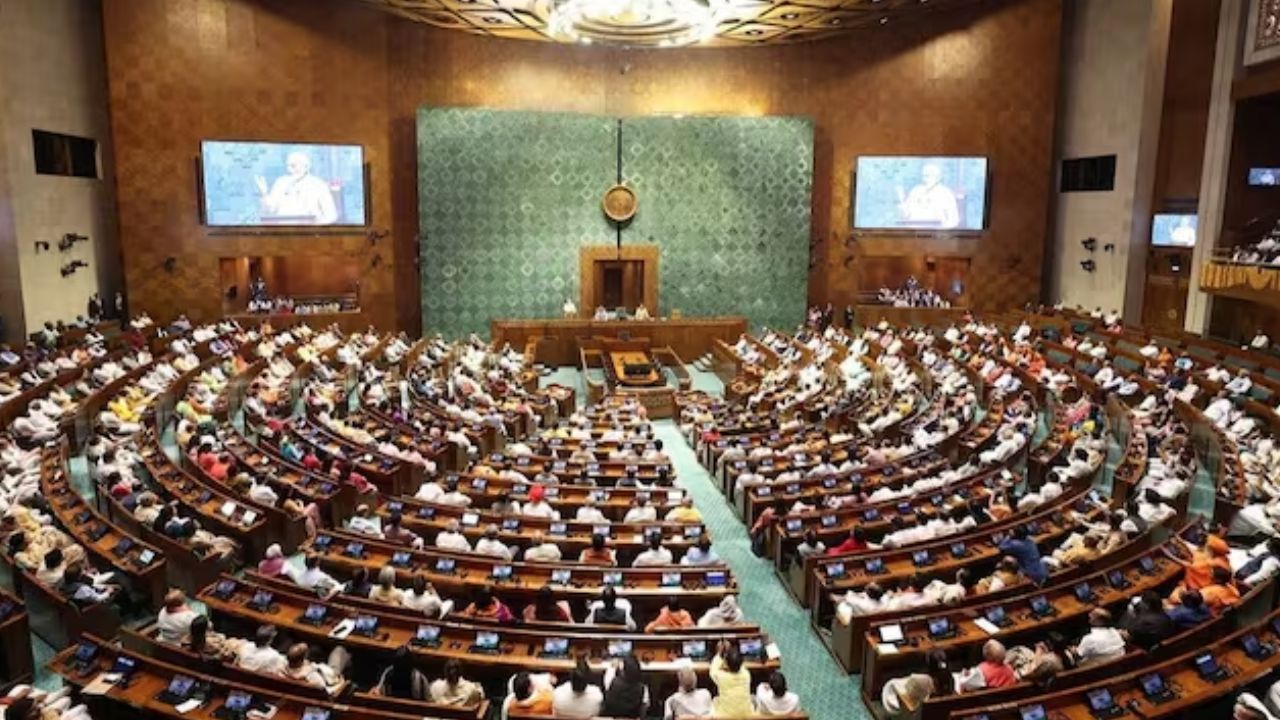
Delimitation debate centres on 2011 Census data despite fresh Census underway. (Img: X)
New Delhi: As the Central government reconvenes Parliament to push ahead with the Delimitation Bill and Women's Reservation Bill, a crucial question is raised: Why is the government considering using the 2011 Census to redraw parliamentary constituencies when a new Census is already underway?
Based on population, delimitation involves redrawing constituency boundaries and readjusting the representation of the Indian states in Parliament and state Assemblies. The exercise aims to ensure that constituencies represent broadly comparable numbers of people, upholding the principle of ‘one vote, one value’.
However, the government's decision to use the 2011 Census instead of waiting for fresh population figures has raised concerns over the timing, fairness and political implications of the exercise.
Article 82 of the Constitution provides for readjustment of Lok Sabha constituencies after every Census. With the changes in the constituency boundaries, the exercise would change the number of seats allocated to states to reflect population changes.
Also Read: Delimitation Bill Gets Major Push As Centre Revises Formula, Oppn Faces Numbers Test
The delimitation exercise was frozen in 1976 through a constitutional amendment for 25 years. The freeze was extended in 2001 until 2026, largely to address concerns among states that had successfully controlled population growth. These states feared that a population-based redistribution of parliamentary seats could reduce their relative representation in the Parliament compared to states where population growth had been higher.
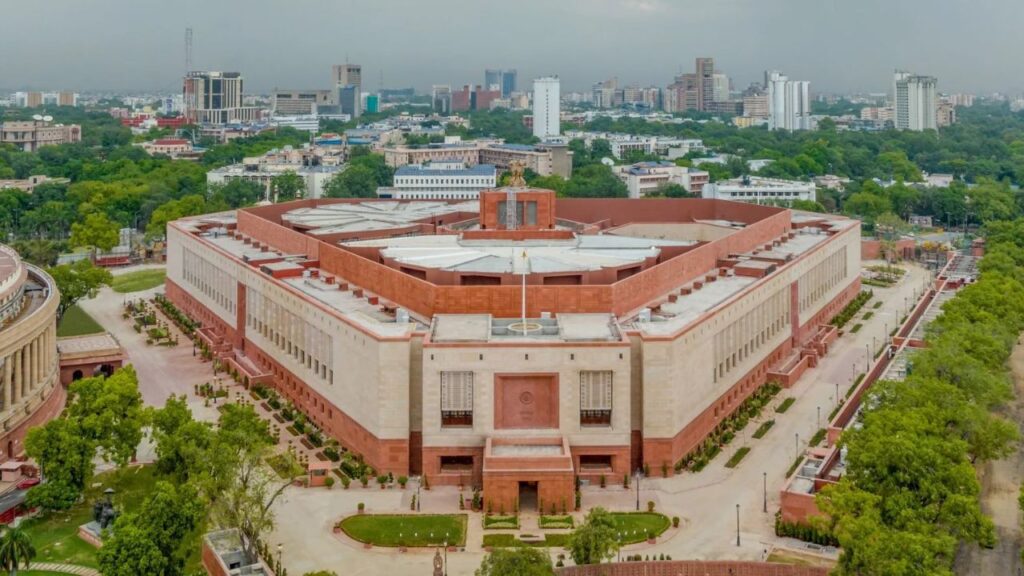
Delimitation freeze protected states controlling population growth from seat losses. (Img: X)
The freeze prevented the redistribution of Lok Sabha seats among states, but constituency boundaries were redrawn within states during the previous delimitation exercise.
The government is seeking to move ahead with delimitation before the results of the ongoing Census become available. Under the proposed constitutional changes, Parliament could determine which Census data would be used for the exercise, potentially allowing the process to proceed using the 2011 population figures.
The proposed changes would also give Parliament greater flexibility in deciding when delimitation should be undertaken, instead of making the exercise automatically dependent on every Census.
The move is linked to the implementation of the Women's Reservation Act, passed in 2023. The bill provides for 33% reservation for women in the Lok Sabha and state Assemblies. Its implementation was linked to delimitation following the first Census conducted after the constitutional amendment.
Centre has also indicated plans to increase the strength of the Lok Sabha from 543 seats to as many as 850, although the proposed constitutional amendment does not explicitly provide for a uniform 50% increase in seats for every state.
The use of the 2011 Census instead of waiting for updated population figures has a significant impact on the distribution of parliamentary representation. States with relatively slower population growth have expressed concerns that delimitation based strictly on population could alter the balance of political representation between regions.
The Opposition has questioned the proposed changes, arguing that states that implemented family planning measures could be disadvantaged compared to states with higher population growth. Opposition parties have also raised concerns over the lack of clarity on whether the existing proportion of seats allocated to states would be maintained.


