 English
 English

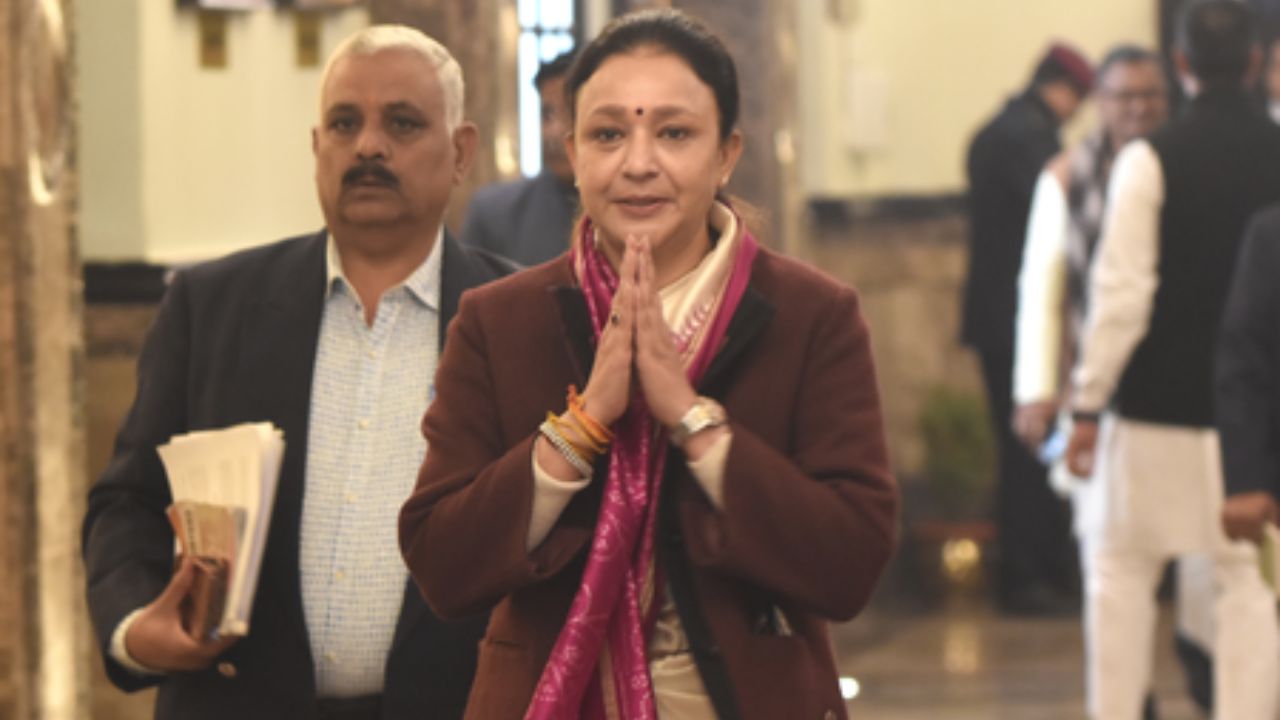
Harish Rawat continues his political outreach in Uttarakhand despite concerns raised by the Congress leadership. (Img: X)
Dehradun: A fresh political fault line has emerged within the Uttarakhand Congress after veteran leader and former Chief Minister Harish Rawat proceeded with his public outreach campaign despite the party leadership asking him not to hold a parallel programme.
Rawat’s proposed Dhanyawad evam Jan Samvad Yatra has drawn the attention of the Congress high command because it was being organised separately from the party’s official programme. Congress state in-charge Kumari Selja had asked Rawat not to proceed, stressing the need for a united front as Uttarakhand prepares for the next Assembly election.
Rawat nevertheless pressed ahead with the Jaspur-to-Haldwani leg of his campaign on Monday, turning what began as an organisational disagreement into a larger political talking point.
The friction centres on the timing and structure of Rawat’s political outreach.
Selja pointed to the approaching Assembly elections and the need for Congress leaders to project unity. She also indicated that the proposed programme had not been discussed with the central leadership or the Uttarakhand Pradesh Congress Committee leadership.
The objection has added significance because Congress is already preparing its own pre-poll organisational activities in the state. Rawat’s simultaneous roadshows and constituency-level programmes have therefore raised questions about how his political outreach will fit into the party’s broader election strategy.
The development took another turn with Congress general secretary (organisation) K.C. Venugopal summoning Rawat to Delhi amid concerns over his recent political activities in Uttarakhand.
The proposed meeting is expected to focus on party unity, coordination with the organisation and Rawat’s political activities ahead of the Assembly election. The Delhi meeting could prove important in determining how the Congress leadership manages Rawat’s role in the state campaign at a time when the party is attempting to build a coordinated electoral strategy.
Uttarakhand Congress president Ganesh Godiyal has sought to keep the dispute within the party’s organisational framework. Godiyal has described Rawat as a senior Congress leader and indicated that differences surrounding his political activities would be discussed internally, with decisions taken after deliberations and through consensus.
The statement suggests that the party is attempting to prevent the disagreement from escalating publicly while keeping the focus on internal consultations.
Rawat’s renewed political activity comes after a period away from the state during which he underwent treatment following health complications.
After returning to Uttarakhand, the veteran Congress leader has increased his public engagement and begun travelling across constituencies. His roadshows and outreach programmes have generated renewed interest in his political role ahead of the 2027 Assembly election.
The timing has also fuelled speculation over the extent of Rawat’s involvement in the Congress campaign and his future role within the state unit. However, his present activities should not automatically be interpreted as a formal break with the party.
The latest dispute comes at a crucial political moment for Uttarakhand. The BJP returned to power in the 2022 Assembly election with 47 seats in the 70-member House, while Congress won 19 seats. The result ended the state’s long-standing pattern of alternating governments between the two principal parties every five years.
With the next Assembly election approaching, Congress faces the challenge of presenting a unified leadership structure while managing the competing political ambitions and campaign styles of its senior leaders.
Rawat remains one of the party’s most recognisable political figures in the state, making his campaign activities particularly significant for the Congress’s electoral preparations.
The immediate issue is not simply whether Rawat will continue his yatra. The larger question is how the Congress leadership will balance his individual political outreach with the party’s centralised election strategy.
Rawat’s decision to proceed despite the state in-charge’s objection has exposed a visible difference in approach at a sensitive stage of the electoral cycle. The Delhi meeting with Venugopal could now become an important point in determining how the party manages the situation.
For Congress, the priority will be to ensure that internal differences do not overshadow its preparations for the Uttarakhand Assembly election. For Rawat, the continued public outreach indicates that he intends to remain politically active and engaged with voters in the run-up to the polls.
The next few weeks could therefore offer clearer indications of whether the current disagreement remains an internal organisational issue or develops into a broader contest over Congress’s political direction in Uttarakhand.