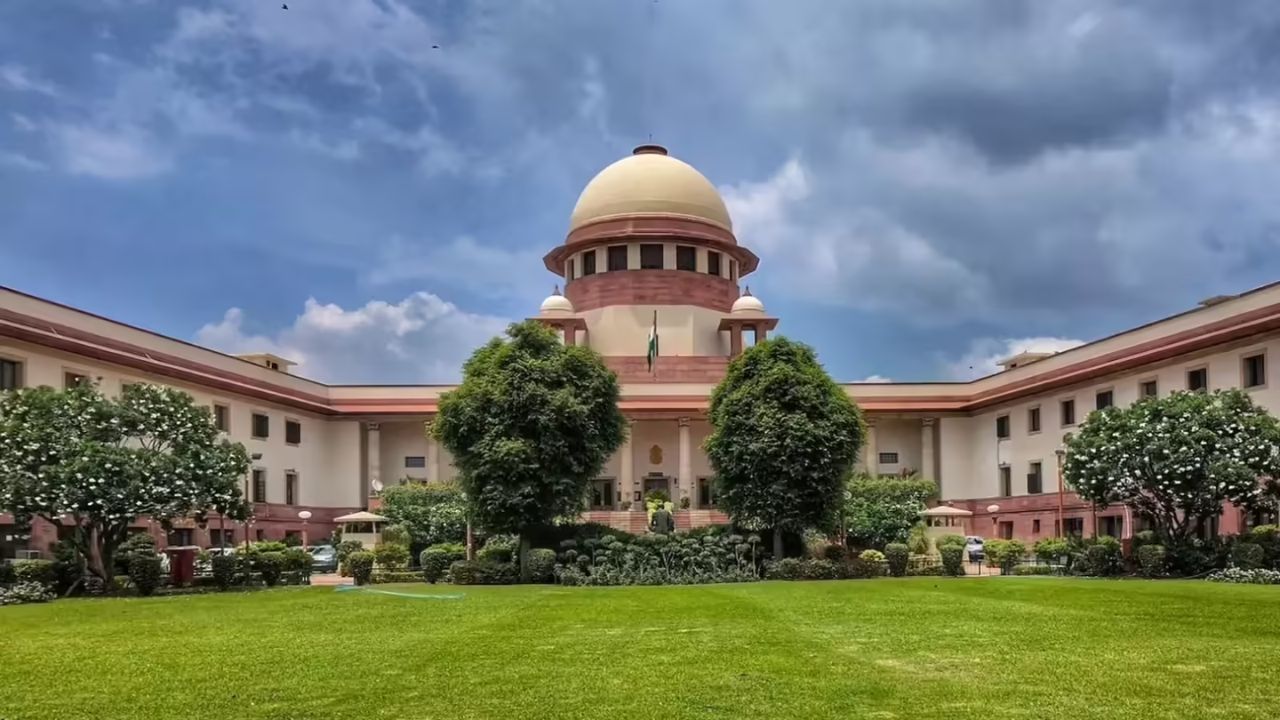
Supreme Court Questions Freebies Culture (Image Source: Internet)
New Delhi: The Supreme Court on Thursday said that the freebies culture is hampering the country's economic development. A three-member Supreme Court bench, headed by Chief Justice Surya Kant, Justice Bagchi, and Justice Pancholi, said that most of the states in the country are revenue-deficit, and yet they are offering such freebies, overlooking development.
The Apex Court was taking note of the Tamil Nadu Power Distribution Corporation Limited’s plea, which proposed providing free electricity to all, irrespective of the financial status of consumers.
The bench said states should work to open avenues for employment instead of giving free food, cycles, and electricity to all. It said states, instead of spending on development projects, are doing two jobs—paying salaries and distributing such largesse.
The Chief Justice observed that if states start giving free food from morning to evening, then free cycles, then free electricity, then who will work, and what will happen to work culture?
The Supreme Court issued notice to the Union Government and others on the plea of the DMK government-led power distribution firm in Tamil Nadu, which proposes to provide free electricity. The power firm has challenged a rule of the Electricity Amendment Rules, 2024.
The bench asked why the Tamil Nadu firm suddenly decided to loosen the purse strings after the electricity tariff was notified.
The bench said it is understandable that, as part of welfare measures, states want to provide support to those who are incapable of paying electricity charges. However, without drawing a distinction between those who can afford and those who cannot, they start distributing benefits. It questioned whether this would amount to an appeasing policy.

