The Supreme Court has reserved its verdict on whether to revisit the 1978 ruling that broadly defined “industry” under the Industrial Disputes Act, a decision with far-reaching implications for labour laws in India.
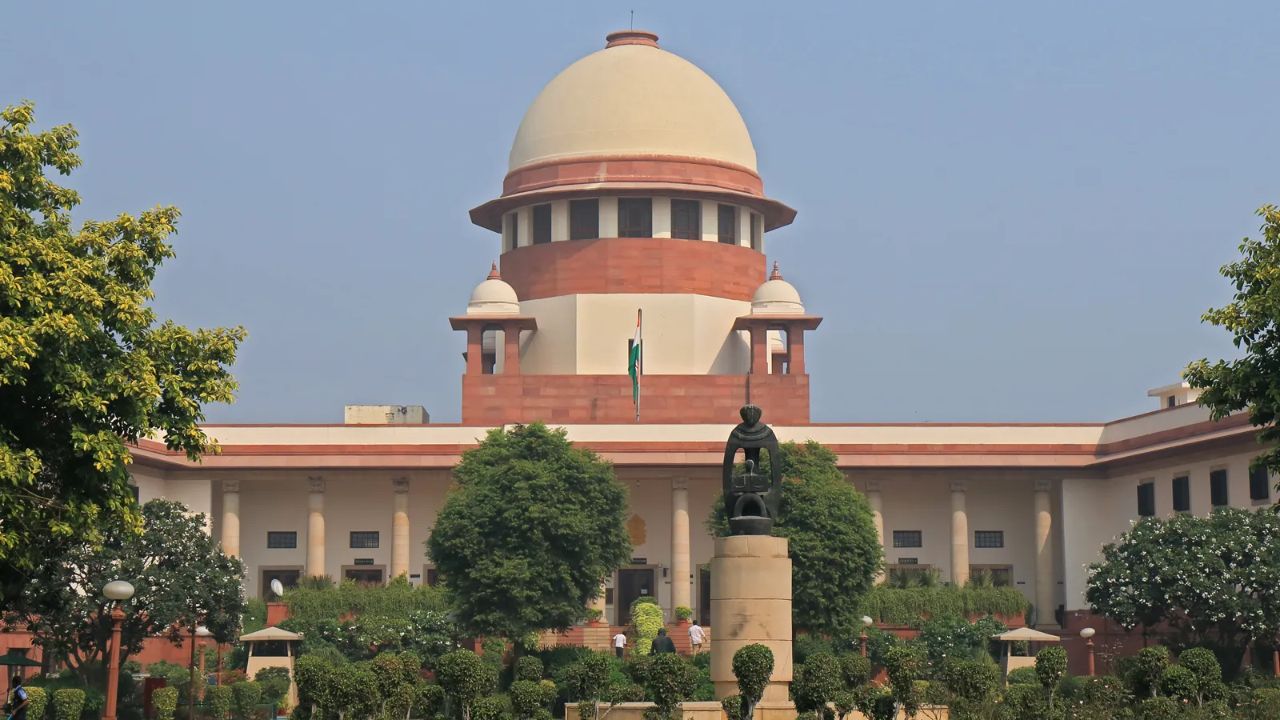
‘Industry’ Definition Under Lens as SC Reserves Verdict
New Delhi: The Supreme Court of India on Thursday reserved its judgment on a crucial reference examining the correctness of its 1978 ruling in the Bangalore Water Supply case, which gave a wide interpretation to the term “industry” under labour law.
A nine-judge Constitution Bench led by Chief Justice of India Surya Kant, along with eight other judges, heard extensive arguments over three days before reserving its verdict. The case revisits the landmark ruling in Bangalore Water Supply & Sewerage Board v. R Rajappa.
In its 1978 judgment, a seven-judge bench had held that the definition of “industry” under the Industrial Disputes Act, 1947 should be interpreted broadly. The ruling included a wide range of activities, regardless of profit motive, within its scope.
However, the decision has been questioned in subsequent cases, with some arguing for a narrower interpretation limited to traditional business or manufacturing activities.
During the hearing, the Centre and several state governments argued that an expansive definition could place an undue burden on employers and discourage private sector participation. They suggested that the interpretation should be revisited in light of changing economic conditions.
On the other hand, representatives of trade unions supported the 1978 ruling, emphasising the need to protect workers across diverse sectors. They argued that narrowing the definition could exclude many employment relationships from the protections of labour law.
Senior advocates appearing in the matter highlighted competing concerns around labour welfare, economic growth, and legislative intent. Some submissions stressed that the focus should remain on the nature of the activity rather than the entity performing it or its profit motive.
“Chief Minister Barging In…”: Supreme Court Raps Mamata Banerjee Over ED Raid Presence
Others argued that the law must maintain a balance between the rights of employers and employees, without expanding beyond its intended scope.
The court’s decision is expected to have significant implications for labour law in India, particularly in determining which sectors fall within the ambit of the Industrial Disputes Act.
The ruling could reshape the legal framework governing employer-employee relations and influence how labour protections are applied across industries.

