AI In fashion Industry (Image Source: Internet)
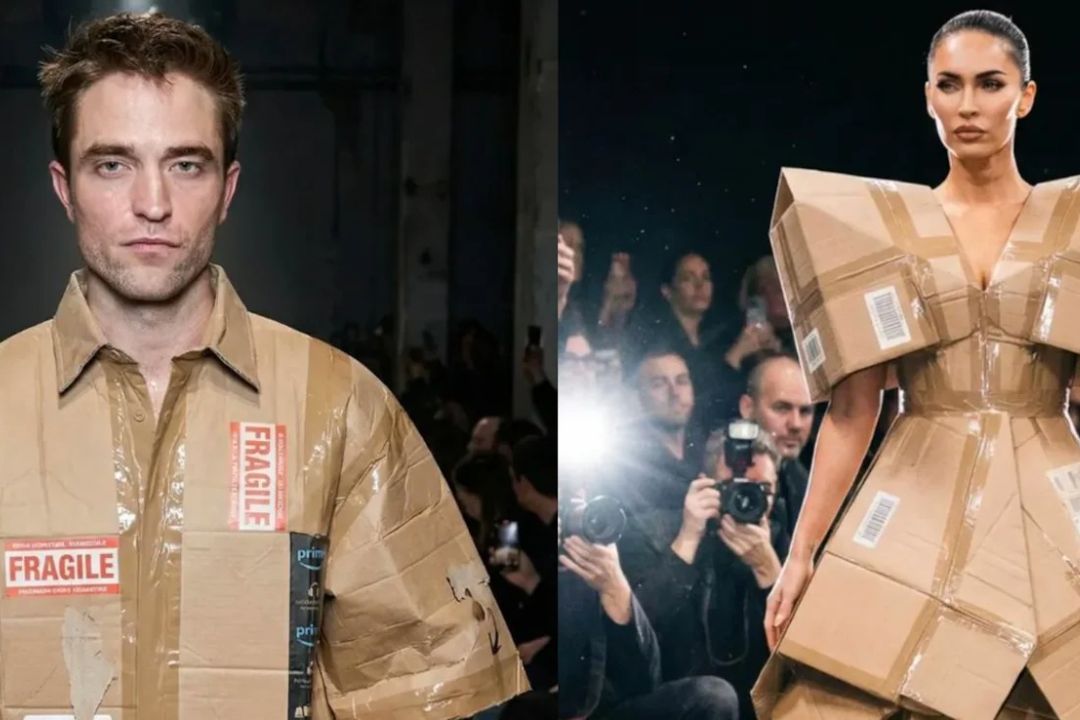
New Delhi: A series of viral images claiming to show a cardboard “shipping box dress” by Balenciaga recently took social media by storm. The outfit looked surprisingly real and many users believed that the luxury brand had once again pushed fashion into strange new territory. Some images even appeared to show celebrities like Megan Fox and Robert Pattinson wearing the unusual design. What made it even more shocking was the supposed price nearly $9,900 leaving people both amused and confused.
Despite how convincing the images looked, the story had a simple explanation none of it was real. The pictures were created using artificial intelligence by an Instagram account known for producing highly realistic, attention-grabbing fashion concepts. The user goal is To spark curiosity, reactions and shares which, it clearly did.
The incident reveals how quickly people accept visuals that looks authentic. AI-generated images have become so advanced that it’s getting harder to tell what’s real and what isn’t. In fashion especially, where creativity and exaggeration are already the norm, the line between reality and imagination is becoming increasingly blurred.
Interestingly, the viral moment also says a lot about Balenciaga itself. The brand has built a reputation for bold, unconventional designs that often challenge traditional ideas of style and value. From unusual accessories to controversial products, Balenciaga has made “unexpected fashion” feel normal. Because of this, the idea of a luxury cardboard dress didn’t seem completely impossible to many people.
This episode highlights a bigger trend online content doesn’t have to be real to go viral. It just needs to feel believable. AI creators are now designing images that fit perfectly into existing trends and aesthetics, making them easy to accept and share without much questioning.
As fashion and technology continue to merge, situations like this raise important questions. How do we define authenticity? Who owns a design created by AI? And how can audiences tell what’s real? In this case, Balenciaga didn’t create the controversy. Instead, it was the internet shaped by AI tools and a culture of viral content that brought the illusion to life.

