The government is considering changes to fuel efficiency norms that could remove the “zero-emission” status currently granted to electric vehicles under CAFE rules. The proposal seeks to calculate EV efficiency based on electricity consumption and convert it into energy equivalent of fuel use.
Government Eyes Energy-Based Emission Calculation for Electric Cars
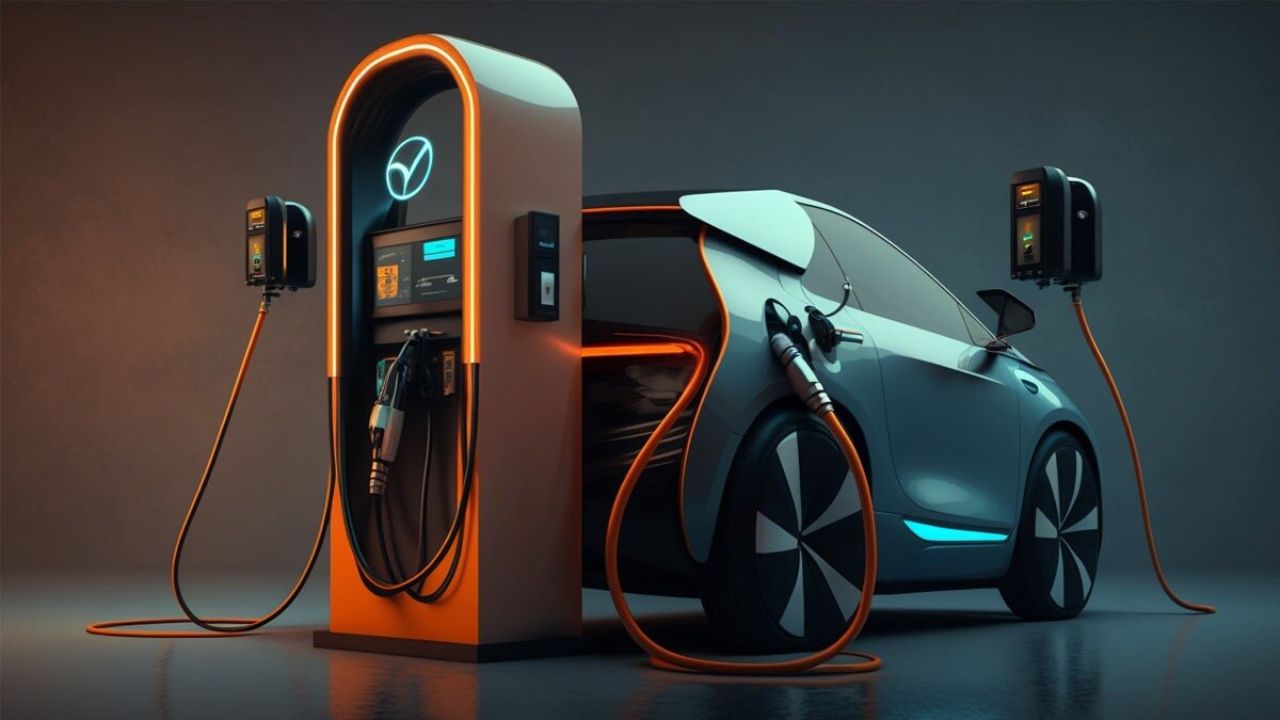
New Delhi: The government is working on new fuel-efficiency regulations to make electric vehicles more efficient and have a longer range. Under the proposed regulations, electric cars can no longer be fully designated as "zero-emission." The aim is to ensure that automakers make electric cars more energy-efficient while simultaneously reducing emissions from petrol and diesel vehicles.
According to the government's proposal, the energy consumption of electric vehicles will now be subject to regulation. This means that the electricity consumed by an electric vehicle per 100 kilometers (kWh/100 km) will be converted to the equivalent amount of petrol consumed (liters/100 km). Based on this, the vehicle's total energy consumption and emissions will be assessed.
This change is specifically proposed under the Corporate Average Fuel Efficiency (CAFE) regulations. While these regulations were originally primarily aimed at reducing petrol and diesel consumption, they now also focus on reducing CO₂ emissions from cars.
Top 5 automatic cars under Rs 12 lakh for hassle-free city driving; Deets inside
Under the current system, many companies earn "super credits" by launching certain electric models. They use these credits to compensate for the higher emissions of their petrol and diesel vehicles, even though electric car sales are limited.
The government believes this system needs reform. According to the new proposal, electric vehicles and range-extender hybrid cars could receive three super credits, while cars with conventional petrol-diesel engines would receive only one.
After the new CAFE-3 regulations come into effect, companies may face fines for selling more polluting vehicles. However, if companies sell electric or hybrid vehicles, they can use the credits earned from these to reduce the fines or purchase credits from other manufacturers. This will increase pressure on companies to improve the fuel efficiency of petrol and diesel vehicles as well.
The government fears that if electric vehicles are considered completely "zero-emission," companies will invest less in improving the fuel efficiency of conventional vehicles.
According to data, electric vehicles accounted for approximately 4 percent of total passenger vehicle sales in India in 2025. It is estimated that this share could increase to 13–15 percent by 2030. This means that even then, approximately 85 percent of vehicles will still be powered by petrol and diesel engines.
India’s full-size SUV segment heats up with two major upcoming launches; Details here
According to the government's proposal, the energy content of one liter of petrol (approximately 35 megajoules) will be converted into units of electricity for energy comparison. Since 1 kWh is approximately 3.6 megajoules, the total energy consumption of vehicles will be calculated based on this.
Experts believe that if implemented, this proposal will boost the development of more efficient and longer-range electric cars in India, which could boost green transportation in the coming years.

