Dirty kitchens to illegal medicines: Inside Maharashtra FDA’s massive enforcement drive
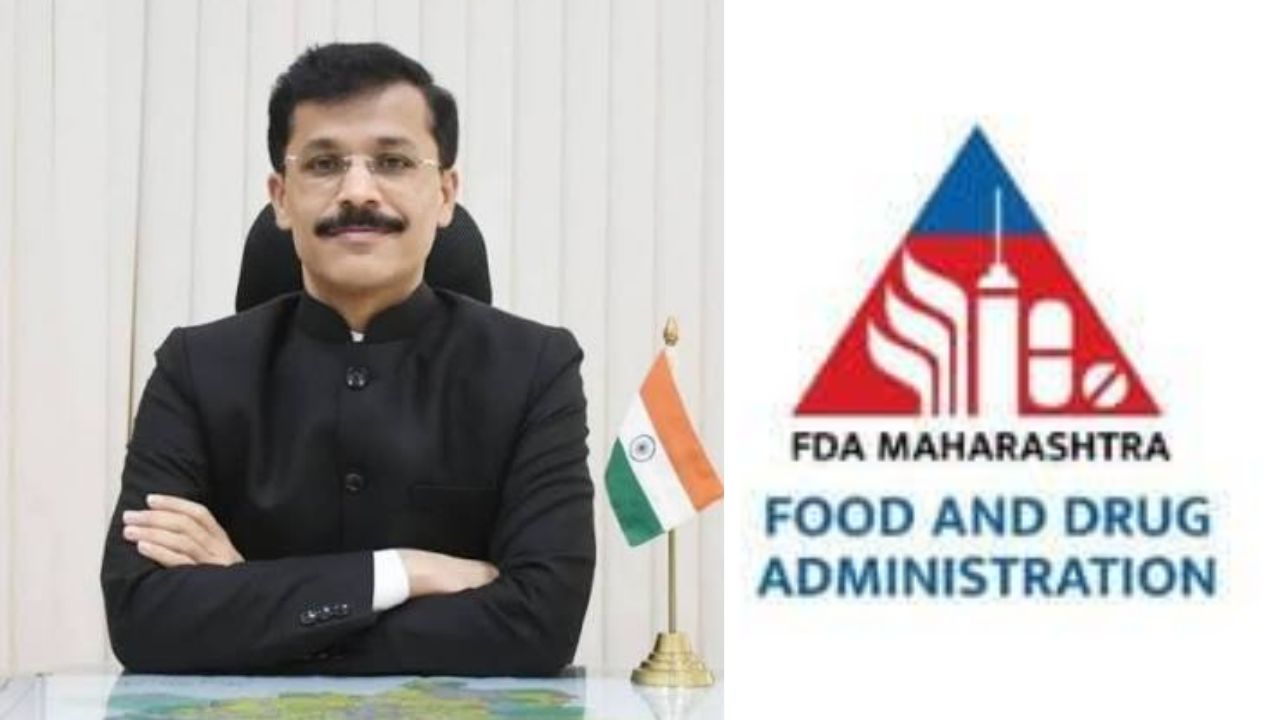
Mumbai: Maharashtra’s food and drug safety landscape has witnessed a dramatic transformation in just 100 days under FDA Commissioner Tukaram Mundhe. With thousands of inspections, strict regulatory action and seizures worth crores, his campaign has placed public health at the centre of a statewide debate.
From unhygienic restaurant kitchens to questionable medicines reaching consumers, Mundhe’s aggressive enforcement drive has exposed deep-rooted challenges within the food and pharmaceutical ecosystem. While citizens have welcomed the crackdown, questions over procedure and regulatory balance have also emerged.
For years, food safety violations often remained hidden behind closed doors. Unsanitary kitchens, adulterated products and poor storage practices rarely became a matter of public discussion. That changed after Tukaram Mundhe took charge as Maharashtra Food and Drug Administration Commissioner in May 2026.
His surprise inspections, strict action against violators and direct approach towards enforcement quickly turned routine regulatory activity into a statewide conversation. Images of neglected kitchens, unsafe food practices and regulatory violations circulated widely on social media, making food safety a household concern.
For many consumers, Mundhe’s campaign represented a long-awaited push for accountability. For businesses, it brought a new level of scrutiny and compliance pressure.
The data from June to August 2026 reflects the scale of the enforcement campaign. During this period, Maharashtra FDA recorded a massive increase in regulatory activity compared with previous years. Complaints received by the department increased by 557 per cent, while investigations into complaints rose by 378 per cent.
Search and seizure operations also witnessed a sharp increase of 217 per cent. The average monthly regulatory action, which stood at around 258 cases over the previous five years, climbed to nearly 293 cases during Mundhe’s first three months.
These figures indicate a significant expansion of monitoring across restaurants, food manufacturers, pharmacies, drug companies and cosmetic businesses.
Since assuming office, Mundhe’s FDA has initiated action against 12,083 establishments for violating food safety regulations. The department issued improvement notices to 5,269 establishments and suspended licences of 603 entities.
Restaurants, hotels and eateries became a major focus area, with 1,803 inspections conducted across Maharashtra. Nearly 948 establishments received notices for improvement, while 199 licences were suspended over serious violations.
The most common problems identified during inspections included poor hygiene standards, unsafe food handling practices, inferior quality raw materials and inadequate training among staff.
Behind these numbers lies a larger public health concern: Safety of millions of consumers who depend on restaurants, street vendors and packaged food every day.
The intensity of the crackdown can be measured through the scale of enforcement. Within 100 days, FDA teams conducted 904 raids, sealed 322 establishments and seized fake, adulterated and prohibited products worth Rs 34.7 crore.
The department also collected 37,604 samples of food, medicines and cosmetics between June and August. The sharp rise in testing reflects a shift towards preventive regulation, where authorities aim to identify risks before they reach consumers.
The crackdown has not been limited to restaurants and food businesses. Maharashtra’s pharmaceutical sector has also come under strict FDA surveillance, with action taken against 880 drug manufacturing and sales establishments between June and August.
FDA teams conducted 2,902 inspections, covering 607 manufacturing units and 2,295 medicine outlets. The action resulted in the suspension of 677 licences and cancellation of 203 licences.
Authorities also conducted 104 search and seizure operations, registered 20 FIRs and arrested 21 individuals linked to illegal drug and cosmetic activities. Medicines and cosmetic products worth Rs 11.41 crore were seized.
Investigators detected several serious violations, including manufacturing of substandard medicines, unauthorised production, weak quality-control systems, missing records, sale of medicines without bills and dispensing prescription drugs without proper documentation. Improper storage of temperature-sensitive medicines, including insulin and vaccines, also emerged as a major concern.
The changing nature of business has forced regulators to expand their approach. Online food businesses and delivery-linked warehouses are now being examined under food safety regulations, with the FDA treating them as Food Business Operators responsible for maintaining quality standards.
Similarly, online medicine delivery platforms must comply with the Drugs and Cosmetics Act and maintain the same safety standards expected from traditional pharmacies.
Mundhe’s regulatory campaign has also reached the entertainment industry. The Maharashtra FDA issued notices to actors Shah Rukh Khan, Ajay Devgn and Tiger Shroff over elaichi advertisements suspected of being connected to surrogate promotion of restricted tobacco products. The matter remains under examination as the department reviews responses from those involved.
With Maharashtra entering a high-demand festive period, the FDA has introduced a year-round Festival Enforcement Calendar aimed at preventing food adulteration during large gatherings. The department clarified that the initiative is not intended to interfere with festivals, traditions or religious activities.
Instead, the focus is on ensuring that food served during celebrations, weddings, community events and public gatherings meets safety standards. The new framework defines responsibilities for caterers, vendors, organisers and enforcement authorities while strengthening implementation of existing food safety laws.
The FDA has also increased monitoring of school canteens, hostel kitchens and midday meal suppliers, along with restrictions on unhealthy food products around educational institutions.
Mundhe’s actions have earned widespread appreciation from consumers who believe stronger enforcement was needed to improve food safety standards.
His inspections have made him an unusual social media figure, with videos and updates from FDA operations attracting millions of views and discussions online.
However, the approach has also faced criticism from sections of the hospitality industry, which argue that some businesses require opportunities for correction before facing strict penalties.
Legal challenges have added another layer to the debate. The Bombay High Court questioned certain FDA procedures in a Cipla-related matter and emphasised the importance of following due process while taking regulatory action.
In another case involving a sweets business, the court directed compensation after finding that the establishment had shown substantial compliance during a later inspection.
Tukaram Mundhe has consistently maintained that his mission is not about personal popularity but about protecting public health. His first 100 days have undeniably changed the conversation around food and medicine safety in Maharashtra.
The challenge ahead is whether this momentum can evolve into a stronger institutional system that continues beyond one officer and creates lasting improvements for millions of consumers. Because ultimately, the real measure of this campaign will not only be the number of raids conducted or licences cancelled, but whether every citizen feels safer about the food they eat and the medicines they consume.

