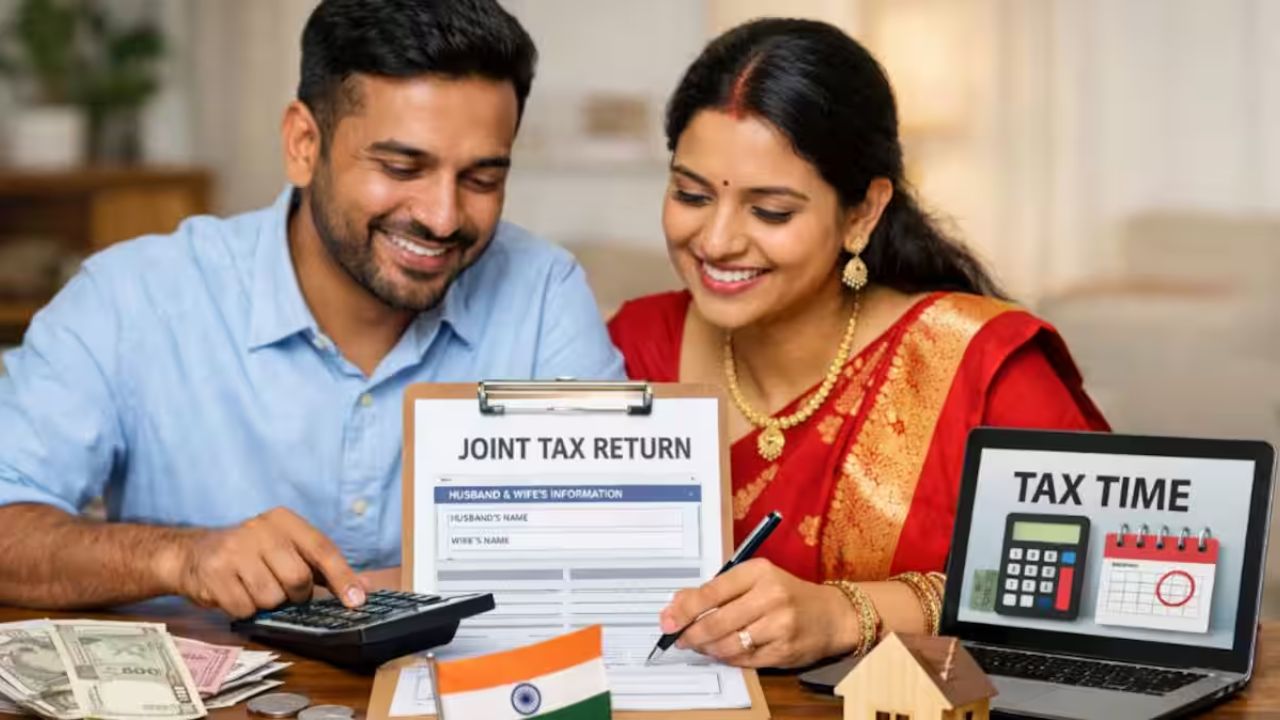
Recommended Stories The basic premise is that a household is treated as one unit
New Delhi: As India gears up for the Union Budget 2026, speculation is mounting over potential changes to personal taxation, with one idea generating significant buzz: joint taxation for married couples. While the Finance Ministry has not confirmed any such measure, officials say the concept could transform how households file taxes and manage finances.
Under the proposed system, married couples could file a single income tax return (ITR) combining their incomes, rather than filing individually. Tax would then be assessed against a restructured slab, potentially allowing higher exemptions and lower effective tax rates. For example, a combined income up to Rs 6 lakh could remain tax-free, while income between Rs 6 lakh and Rs 14 lakh might attract a 5% rate.
The MTA Speaks: How Budget 2026 will impact the common man, middle class, and startups?
This approach would recognise shared household expenses and assets, making the system more equitable. Experts suggest it could simplify compliance, reduce paperwork, and make tax management easier for couples, particularly those with one primary earner.
Joint taxation could benefit both single-earner and dual-income households. It may allow higher basic exemptions, standard deductions, and expanded deductions for expenses such as home loans or education loans. Additionally, the surcharge threshold on high incomes could rise from Rs 50 lakh to Rs 75 lakh, easing the tax burden on affluent households.
Middle-income families stand to gain the most, while very high-income couples might not see the same advantages, as combined income could push them into higher tax brackets. The system would be voluntary, giving couples the choice of filing jointly or separately based on their financial situation.
Budget Smartphone Alert: Tecno Spark Go 3 launching with powerful features; Deets inside
The concept of couple taxation is already in practice in several countries, including Germany and the United States. Indian authorities are studying these international models to design a framework suited to domestic needs. The Institute of Chartered Accountants has recommended the move to the Finance Ministry, highlighting its potential to modernise the tax structure.
Currently, India treats married and unmarried individuals identically for tax purposes, with each spouse having a separate PAN. In households where one spouse has little or no income, unused exemptions go unclaimed. Joint taxation could address this gap, providing a more flexible and family-friendly approach to personal finance.
If adopted, this policy would mark a major overhaul of India’s tax system and signal a shift toward more inclusive, modern taxation for families.

