 English
 English

Markets to Open on Sunday for Union Budget 2026
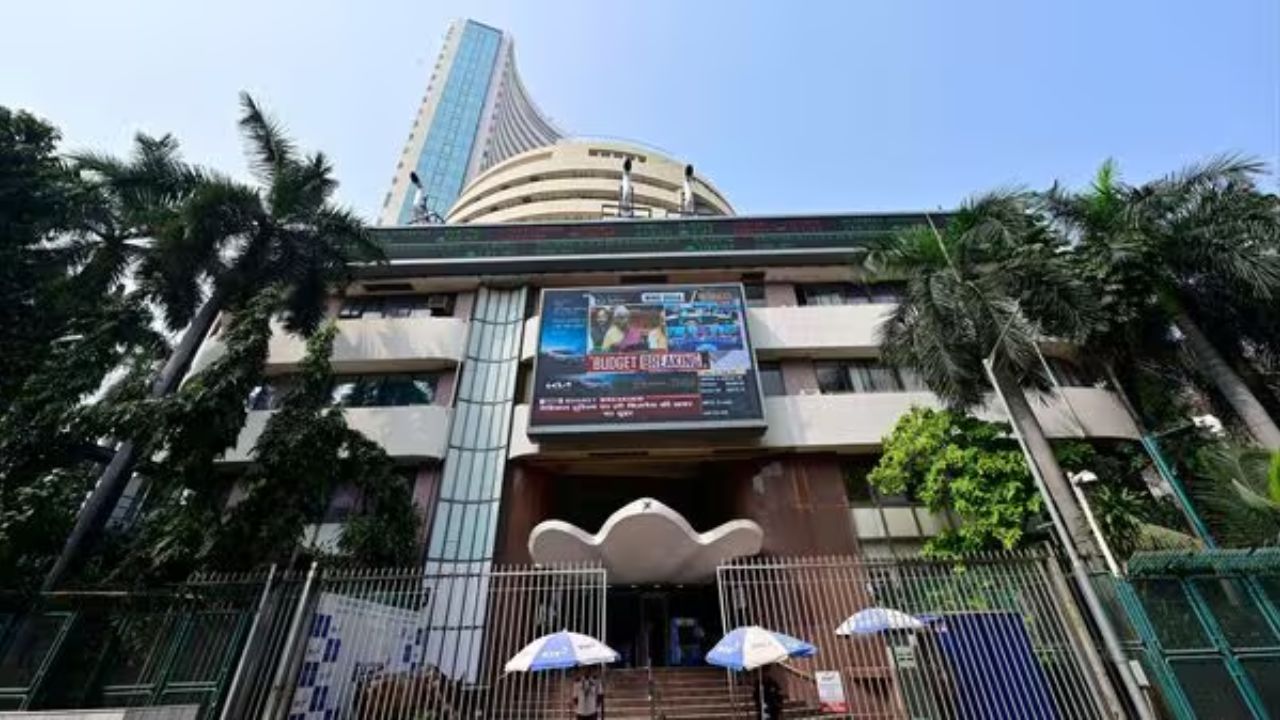
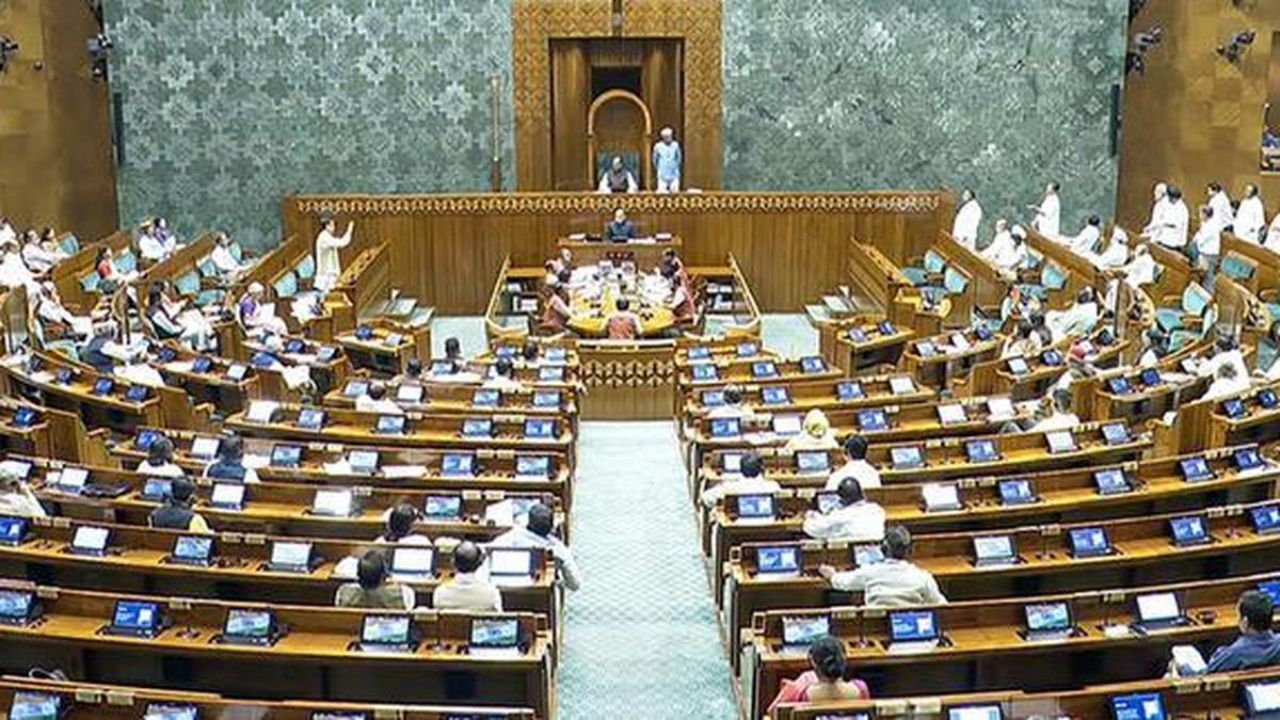
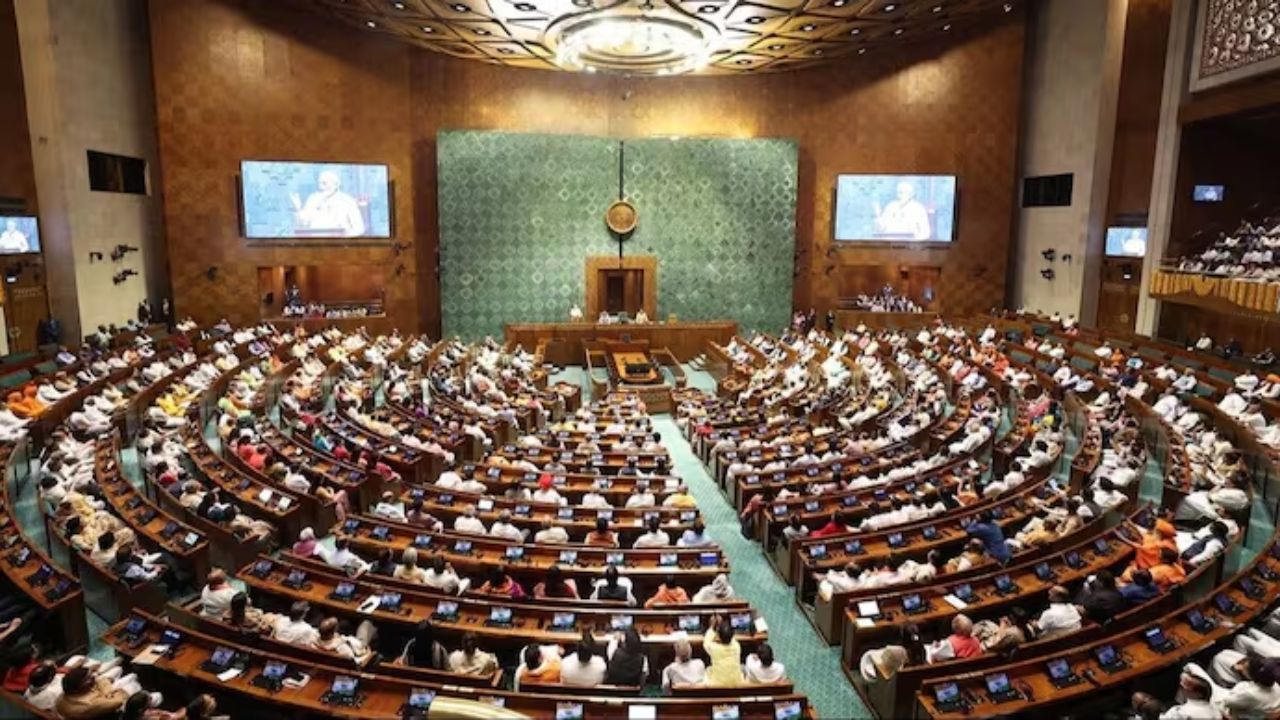
New Delhi: India’s stock markets will remain open for trading on Sunday, February 1, as the Union Budget 2026 is presented in Parliament. Since the Budget falls on a weekend this year, a special trading session has been scheduled to allow investors to respond to policy announcements in real time.
Both the National Stock Exchange (NSE) and the Bombay Stock Exchange (BSE) will conduct a full-fledged trading session. This marks only the second time since Independence that Indian equity markets will operate on a Sunday. Earlier, markets were opened on a weekend during the 2025 Budget, which was held on a Saturday.
How Silver became backbone of automobile industry and Why EVs consume thousands of tons?
The trading schedule on February 1 will follow normal weekday timings. The pre-open session will take place from 9:00 am to 9:08 am, followed by regular market trading from 9:15 am to 3:30 pm. Investors will also be allowed to modify trades until 4:15 pm.
With the Budget speech scheduled for 11:00 am, markets will stay live while major fiscal announcements are made, potentially triggering immediate sector-wise and stock-specific reactions.
Commodity trading platforms will also operate on Sunday. The Multi Commodity Exchange (MCX) will conduct a special session, with pre-open beginning at 8:45 am and regular trading from 9:00 am to 5:00 pm. Trade modifications will be allowed until 5:15 pm.
Similarly, the National Commodity and Derivatives Exchange (NCDEX) will remain open from 10:00 am to 5:00 pm, as previously announced through official exchange circulars.

Nirmala Sitharaman to present Union Budget on Sunday
Markets enter Budget day with measured optimism. According to Dr. Ravi Singh of Master Capital Services, benchmark indices ended the week on a stable note. The Nifty 50 rose nearly 1% to close at 25,320, while the Sensex gained about 0.9% to finish at 82,269.
Positive sentiment was supported by the India–EU Free Trade Agreement, signed on January 27, 2026, which is expected to reduce tariffs and boost trade. However, upside momentum remained limited due to mixed corporate earnings, a weakening rupee, and continued foreign investor selling.
From a technical standpoint, indices remain below short-term moving averages, indicating near-term caution. However, they are still well above the 200-day exponential moving average, suggesting the broader trend remains positive.
For the Nifty, the 24,900–24,300 range has emerged as a strong support zone, while 25,450 is an immediate resistance. A breakout above this could push the index towards 25,700.
How can Nirmala Sitharaman table the Budget in Lok Sabha if she is a Rajya Sabha MP?
The Bank Nifty showed strength after rebounding from its 21-week EMA. Support lies near 59,300, while 60,000 remains a key psychological hurdle. Volatility is expected to stay high as the Budget unfolds.
Although Budget days do not always lead to sharp market moves, this year’s simultaneous opening of equity and commodity markets makes February 1 particularly important. Investors will be closely tracking fiscal signals, sectoral announcements, and policy direction as they unfold live.