Health and Education Leaders Outline Key Budget 2026 Demands from FM Sitharaman
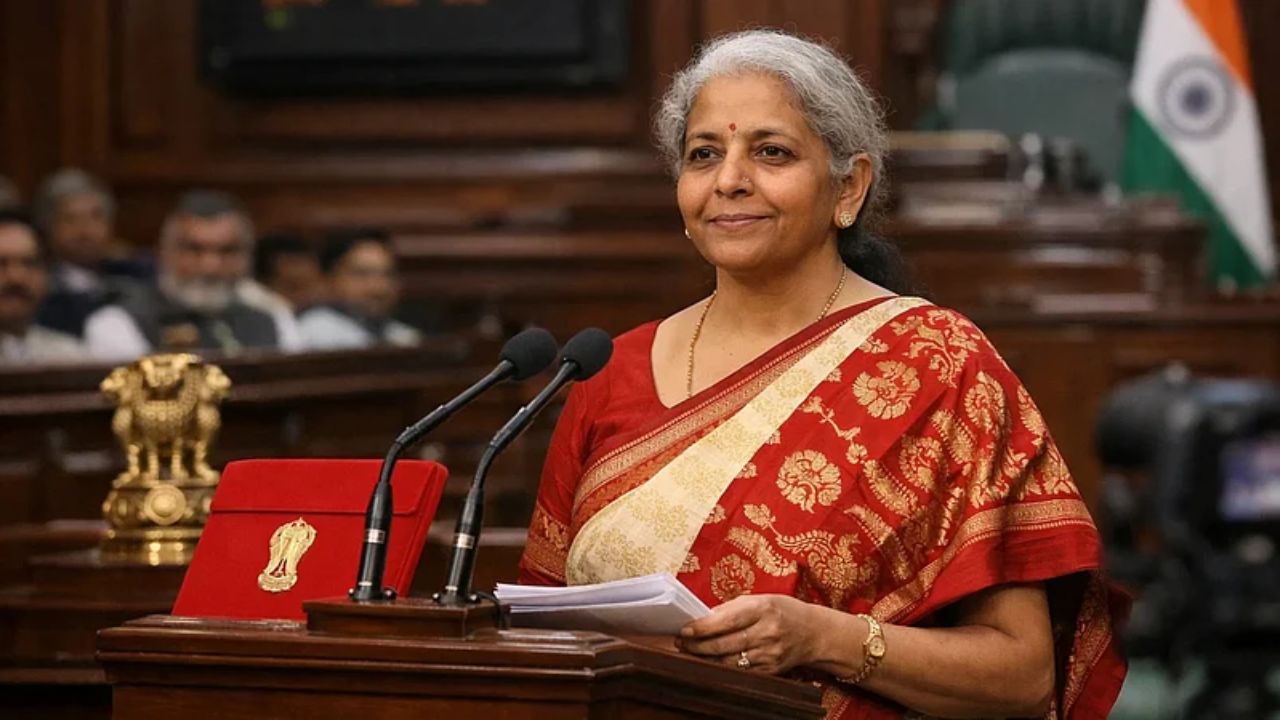
New Delhi: Union Finance Minister Nirmala Sitharaman will present the Union Budget 2026 on February 1. High expectations are being placed on key social sectors like health and education. Experts believe that amid the changing priorities following the pandemic, increasing spending on health infrastructure, research, and public services is the need of the hour, while emphasizing quality and skill-based reforms in the education sector.
The budget allocation for health services was increased by 9.8 percent to ₹99,858.56 crore in the financial year 2025-26. Previously, this amount was ₹90,958.63 crore in the financial year 2024-25. Despite this, out-of-pocket health expenditure for the general public in India remains a major challenge.
Union Budget 2026: Rakesh Tikait urges MSP and Subsidies in Budget; Highlights key demands
According to experts, large-scale investment is necessary to strengthen the health sector. Human resource development, digital health transformation, and infrastructure should be prioritized. Out-of-pocket expenditure can be reduced by increasing government spending on public health. Furthermore, training and capacity building can attract qualified professionals to the sector, which will also boost research and innovation.
A total of ₹1,28,650.05 crore was allocated for the education sector in the financial year 2025-26, a 6.5 percent increase from the previous year. This includes ₹78,572 crore for school education and ₹50,078 crore for higher education. Additionally, ₹500 crore was allocated for artificial intelligence research.
Union Budget 2026: When the Halwa Ceremony broke tradition, but the sweetness remained
Education reforms should not be limited to increasing enrollment. Adapting curriculum to emerging technologies like Industry 4.0, generative AI, and machine learning is crucial. The National Education Policy 2020 aims to connect 50 percent of students with skill-based education by 2025.
According to the Economic Survey, the number of colleges has increased by 13.8 percent over the last eight years, and the gross enrollment ratio has reached 28.4 percent. Experts believe that Budget 2026 presents a golden opportunity to strengthen the quality of education, research capacity, and employment-oriented outcomes.

