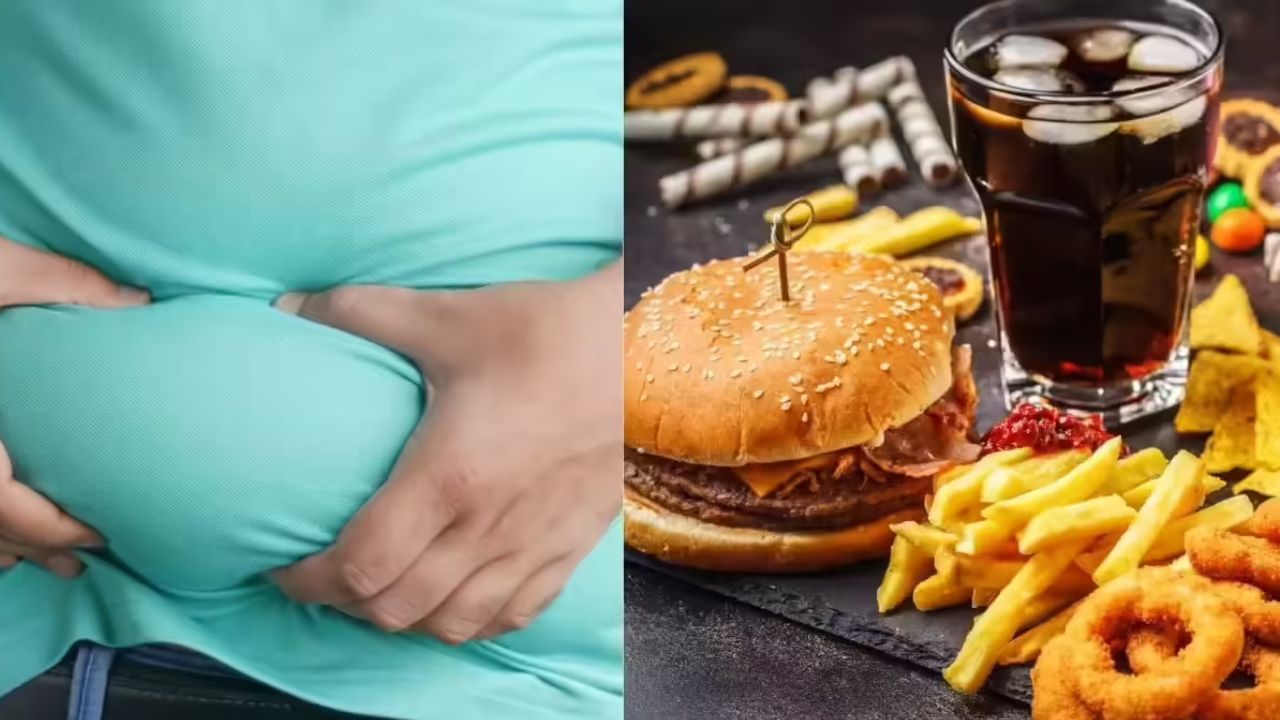
The Economic Survey 2025-26 has flagged junk food as huge financial risk
New Delhi: India’s growing dependence on ultra-processed foods (UPFs) has emerged as a serious public health and economic concern, with the Economic Survey 2025-26 calling for urgent policy action to curb their consumption.
In a notable departure from traditional macroeconomic focus areas, the Survey links junk food intake to rising obesity, chronic diseases, widening health inequalities, and escalating healthcare costs.
The Survey’s emphasis on UPFs is significant. Economic Surveys typically concentrate on growth trends, fiscal management, inflation, and sectoral performance. By spotlighting diet-related risks, the government is signalling that food habits are no longer just a lifestyle issue but a matter with direct economic consequences.
‘India’s Growth Story Intact in Tough Global Climate’: PM Modi on Economic Survey 2025-26 highlights
According to the Survey, the growing consumption of packaged snacks, sugary beverages, ready-to-eat meals, and other UPFs is straining India’s public health system and undermining long-term productivity.
Citing national and global studies, the Survey flags a strong link between UPF consumption and non-communicable diseases such as diabetes, cardiovascular ailments, and hypertension. Childhood obesity, in particular, has seen a worrying rise, driven by aggressive marketing of junk food and changing dietary patterns in urban and semi-urban India.
The report warns that these trends could reverse decades of public health gains if left unaddressed.
Beyond health outcomes, the Survey frames junk food as an economic risk. Rising lifestyle diseases are pushing up healthcare expenditure for households and the government alike. Increased illness also leads to productivity losses, absenteeism, and reduced workforce participation factors that could weigh on India’s growth trajectory.
“Diet-related health outcomes are now a macroeconomic issue,” the Survey notes, underlining the long-term fiscal implications of inaction.
Union Budget 2026: 10 key facts you should know ahead of February 1 presentation
Importantly, the Survey argues that the evidence against UPFs is strong enough to justify immediate intervention. It cautions against delaying action in the name of further research, stating that postponement would only deepen health and economic costs.
Suggested measures include tighter food labelling norms, restrictions on junk food advertising especially to children school-level nutrition interventions, and public awareness campaigns promoting healthier diets.
By elevating junk food consumption to the national economic agenda, the Economic Survey 2025-26 marks a shift in how India views nutrition and health. The message is clear: tackling ultra-processed foods is no longer optional—it is central to safeguarding India’s human capital and long-term development.

