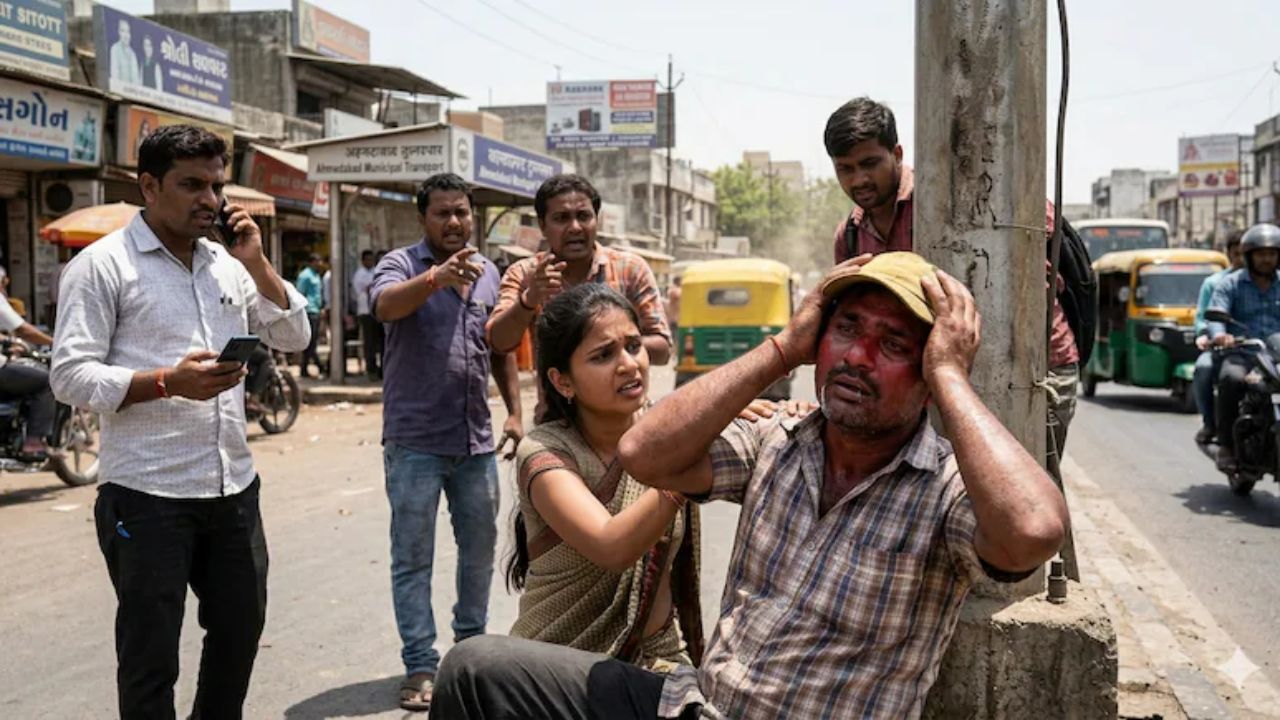
Stroke Symptoms in Young Adults, Early Signs Indians Must Not Ignore
New Delhi: A new analysis by the Indian Council of Medical Research (ICMR) has revealed a troubling shift in stroke demographics. Nearly 1 in 7 stroke patients in India is now under the age of 45, highlighting a rising trend of strokes in younger adults. The findings are based on a study of over 34,000 stroke cases from hospitals across India, and they point to a growing public health concern.
Stroke, once primarily associated with the elderly, is now becoming a significant risk for the younger working-age population. This is especially alarming as stroke is already the fourth leading cause of death and the fifth leading cause of disability in the country, according to a study published in SageChoice.
Around 13.8% of stroke cases in India are now in the 18-44 age group, which is higher than many Western countries. The trend is concerning as many patients are arriving at hospitals too late for effective treatment. Nearly 40% of stroke patients seek medical attention more than 24 hours after symptoms appear, which severely hampers the chances of recovery.
Doctors stress the importance of timely intervention in stroke treatment. The first hour after stroke symptoms appear, often referred to as the "golden hour," is crucial in preventing long-term brain damage. While the advanced treatments can still be effective up to 24 hours, early intervention significantly improves outcomes. However, only about 20% of patients reach medical facilities in time to benefit from these treatments.
Hypertension is the most common risk factor for stroke, affecting nearly 75% of young stroke patients. Other contributing factors include diabetes, smoking, alcohol consumption and anaemia. Gender differences also play a role, with women showing higher rates of hypertension and diabetes, while the men tend to have higher rates of tobacco and alcohol use.
Preventing stroke in young adults is possible with lifestyle modifications. Doctors advise regular monitoring of blood pressure, controlling blood sugar, quitting smoking, limiting alcohol consumption, staying physically active, managing stress and ensuring adequate sleep. Regular health check-ups can help identify hidden risks early, especially for younger individuals.
The rise of stroke in younger Indians underscores the importance of awareness and quick action. Recognizing stroke symptoms early and seeking immediate medical attention can save lives. As stroke increasingly affects younger populations, the need for awareness and timely intervention has never been more urgent.

