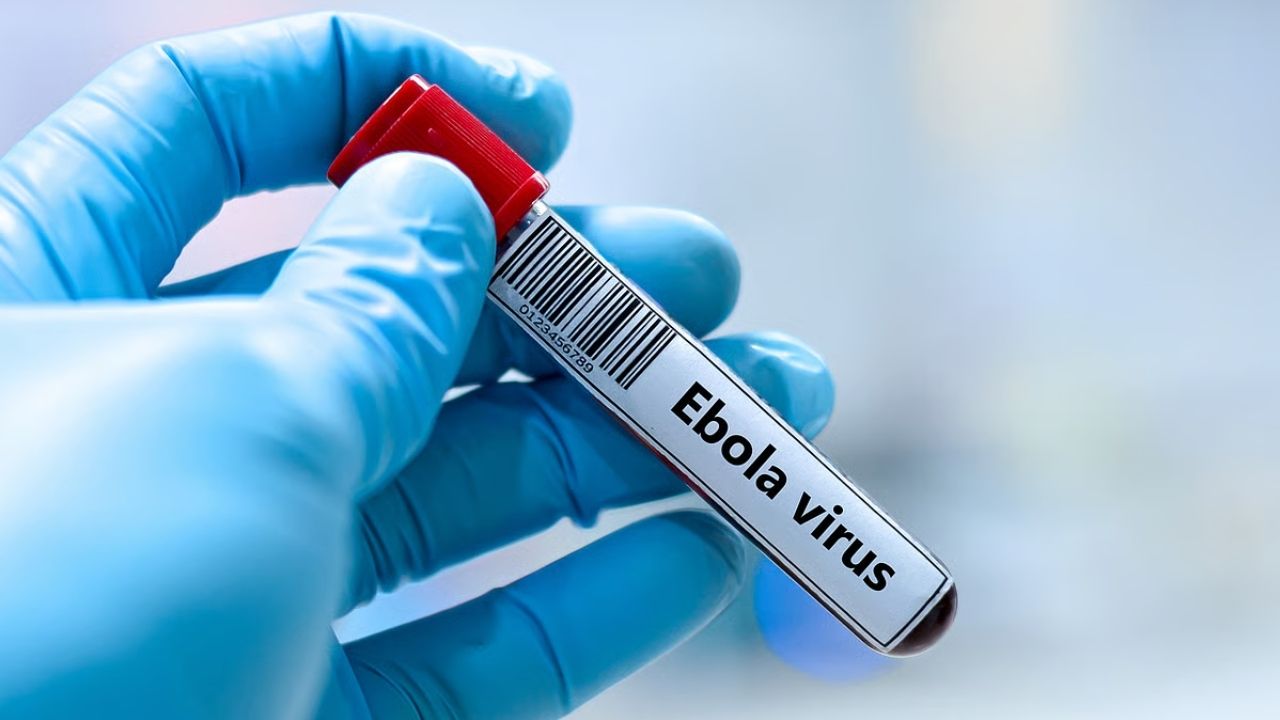
Central govt on alert regarding Ebola
New Delhi: Ebola currently remains a cause for concern among health experts worldwide. Originating in the African nations of the Congo and Uganda, this infectious disease continues to fuel growing fear among the public.
In a report released this week, Dr. Tedros Adhanom Ghebreyesus, Director-General of the World Health Organization (WHO), noted that while the risk remains high across most regions of Africa, the good news is that the threat remains relatively low at a global level for the time being. So far, this outbreak has seen at least 600 suspected cases reported, resulting in 139 deaths.
Although there is currently no immediate threat of Ebola in Asian countries, given that international travel continues uninterrupted, everyone is being urged to remain vigilant. Amidst the threat of Ebola, the India-Africa Forum Summit—scheduled to be held in New Delhi from May 28 to May 31—has also been postponed.
Meanwhile, on Sunday, the Government of India issued an advisory regarding Ebola. This advisory provides essential recommendations on how to protect oneself from this deadly infectious disease.
The Threat of Ebola: The Government's Advisory
In light of the spread of Ebola and the associated risks in the Democratic Republic of the Congo and Uganda, the World Health Organization (WHO) had already declared it a 'Public Health Emergency of International Concern' on May 17, 2026.
On May 22, 2026, the WHO Emergency Committee advised all nations to heighten surveillance at points of entry, such as airports and border crossings.
This measure is crucial for the early identification of travelers arriving from affected regions who present with fever or other suspected symptoms.
The government has also advised citizens to refrain from traveling to countries where cases of Ebola infection are currently being reported.
What is the Advice for Indians? An advisory issued by the Government of India states that, in addition to Congo and Uganda, there is considered to be a high risk of the infection spreading to neighboring countries—particularly South Sudan. Consequently, if you are planning to travel to these regions, you are advised to cancel your plans.
Furthermore, Indian citizens currently residing in these countries have been advised to strictly adhere to the directives issued by local administrations and health departments, and to exercise extra caution.
The Bundibugyo strain is believed to be the primary cause of the current Ebola outbreak.
To date, no cases of Ebola have been reported in India.
This is a severe illness associated with a significantly high mortality rate. Currently, there is no approved vaccine or specific medication available for the prevention or treatment of this particular strain of Ebola.
Only One Case in India's History
Ebola infection was first identified in Africa in 1976. According to the WHO, this virus has periodically spread primarily across Central and West Africa.
In India's history, only one individual has ever been diagnosed with this disease. This solitary case was reported on November 10, 2014, during the global Ebola outbreak that swept through West Africa in 2014.
The infection was confirmed during airport screening in a 26-year-old Indian citizen who had returned from Liberia. However, he was successfully isolated and treated, and no further cases of the infection were subsequently reported within the country.
How Does This Infectious Disease Spread?
According to the World Health Organization, the mortality rate among those infected with Ebola has frequently been observed to reach 50% or higher.
Ebola is primarily transmitted through contact with the blood or bodily fluids of an infected person, or through contact with infected animals.
Initially, symptoms may resemble those of a common fever; however, the virus can gradually affect multiple organs within the body.
In severe cases, both internal and external bleeding may occur. For this reason, health experts regard this as an extremely dangerous infection.

