India is set to begin a nationwide HPV vaccination campaign for 14-year-old girls later this month. The single-dose vaccine aims to reduce cervical cancer risk, which affects over 1.25 lakh women in India each year and causes thousands of deaths.
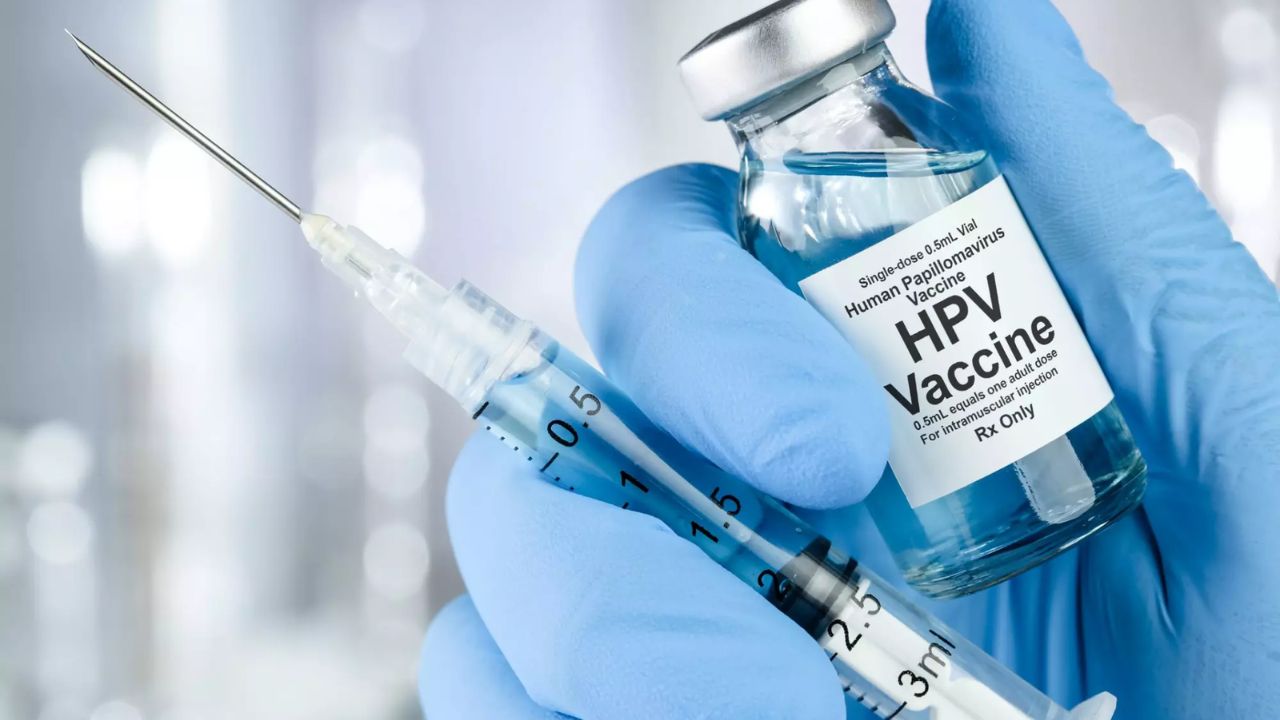
The initiative is aimed at reducing the burden of cervical cancer
New Delhi: India is preparing to roll out a nationwide vaccination campaign later this month to protect adolescent girls from cervical cancer. The programme will target girls aged 14 and will use a single-dose regimen of the Human Papillomavirus (HPV) vaccine.
Officials from the Union Health Ministry said the initiative is aimed at reducing the burden of cervical cancer, one of the most common cancers among women in the country.
Under the campaign, girls who are 14 years old based on their date of birth will be eligible to receive the HPV vaccine at government health facilities.
HPV vaccine done? Do’s and don’ts after getting the HPV shot; Aftercare simplified
During the first 90 days of the programme, the vaccine will be available at government health centres across the country. After this initial phase, eligible girls will be able to schedule their vaccination at nearby health and wellness centres through the U-WIN portal.
Health officials estimate that nearly 1.15 crore girls turn 14 every year, making them eligible for the vaccine under this initiative.
Experts say that vaccinating girls at this age provides the strongest and longest protection against HPV infections, which are the primary cause of cervical cancer.
The vaccination drive will initially use the HPV vaccine Gardasil, manufactured by Merck & Co.. Officials said the vaccine will likely be used for the first two years of the programme. Doses will be supplied with support from Gavi, the Vaccine Alliance, which has committed to providing around 2.6 crore doses to India. Of these, nearly 1 crore doses have already arrived in the country.
Meanwhile, an indigenous HPV vaccine called Cervavac, developed by the Serum Institute of India, is still being studied for its effectiveness under a single-dose schedule.
Persistent infection with HPV is responsible for nearly 85 per cent of cervical cancer cases. In India, cervical cancer affects approximately 1.25 lakh women each year and causes around 75,000 deaths annually.
Vaccines that protect against the most common HPV strains have proven effective in preventing infections that lead to cervical cancer.
Research conducted in countries such as Sweden and United Kingdom has shown that HPV vaccination during teenage years can reduce the risk of cervical cancer by more than 85 per cent by the age of 30.
Serum Institute of India Launches HPV-Cancer public awareness campaign
India has opted for a single-dose HPV vaccination strategy following recommendations from the World Health Organization advisory experts.
Health authorities believe this approach will help expand vaccine coverage quickly and address supply constraints. Additional research is underway to assess whether a second dose may be required in the future.
The campaign is expected to significantly strengthen India’s efforts to reduce cervical cancer cases and improve long-term women’s health outcomes.

