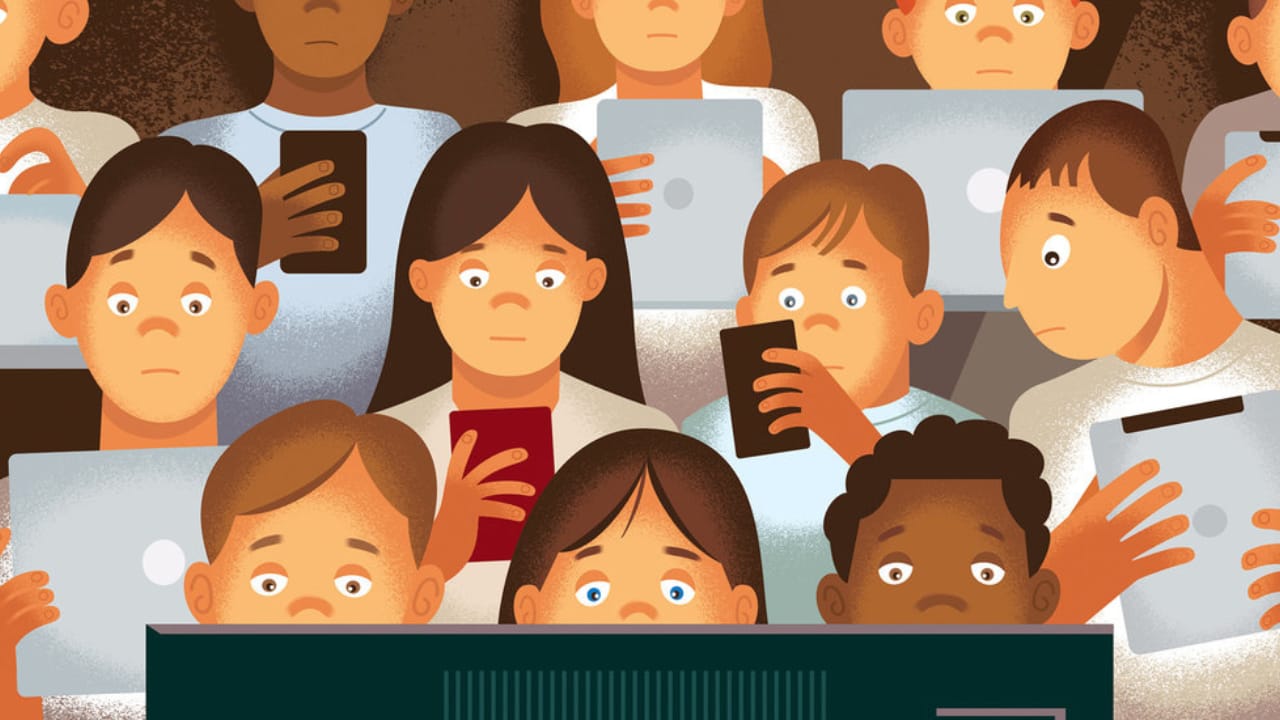
kids are growing up with more anxiety and less self-esteem.
New Delhi: While parents often worry about toddlers and screen time, experts say adolescence is an equally critical stage. Teenagers today are deeply immersed in digital communication and some researches suggests this constant connectivity may be affecting their mental health. Surveys indicate that platforms like social media apps can contribute to anxiety, depression, loneliness.
Shift from face-to-Face to Screen Based Interaction
Unlike previous generations who socialised in person or over phone calls, modern teens rely heavily on texting and online platforms. This shift reduces opportunities to develop essential interpersonal skills such as reading body language, tone and emotional cues. Psychologists warn that these missed experiences may hinder teenagers’ ability to communicate effectively in real-life situations.
Reduced emotional risk, weaker social growth
Digital communication allows teens to carefully curate responses and avoid immediate emotional reactions. While this may feel safer, experts argue it limits growth. Building friendships and resolving conflicts require honesty and vulnerability skills that are harder to practice behind a screen. Over period, this may lead to discomfort with direct communication, even in adulthood.
Cyberbullying and self-esteem pressures
The online environment can also amplify negative behavior. Teens may say things digitally that they would never express face-to-face, increasing the risk of cyberbullying. Additionally, social media encourages constant comparison. The pursuit of likes and approval can push teens to present idealised versions of themselves, creating a gap between their real identity and online persona. This disconnect may contribute to feelings similar to imposter syndrome.
The stress of constant connectivity
Smartphones have made it nearly impossible for teens to disconnect. Continuous notifications and expectations to respond can create emotional fatigue. At the same time, delayed replies or being ignored online can intensify feelings of rejection and insecurity, further increasing anxiety levels.
What parents can do
Experts recommend that parents model healthy technology use by setting boundaries, such as device free times and spaces at home. Encouraging offline activities sports, hobbies or creative pursuits can help teens build confidence and meaningful relationships. Maintaining the open communication and trust is also essential, allowing teens to navigate digital challenges with guidance rather than fear.

