60 Seconds That Destroyed Nagasaki (Img: X)
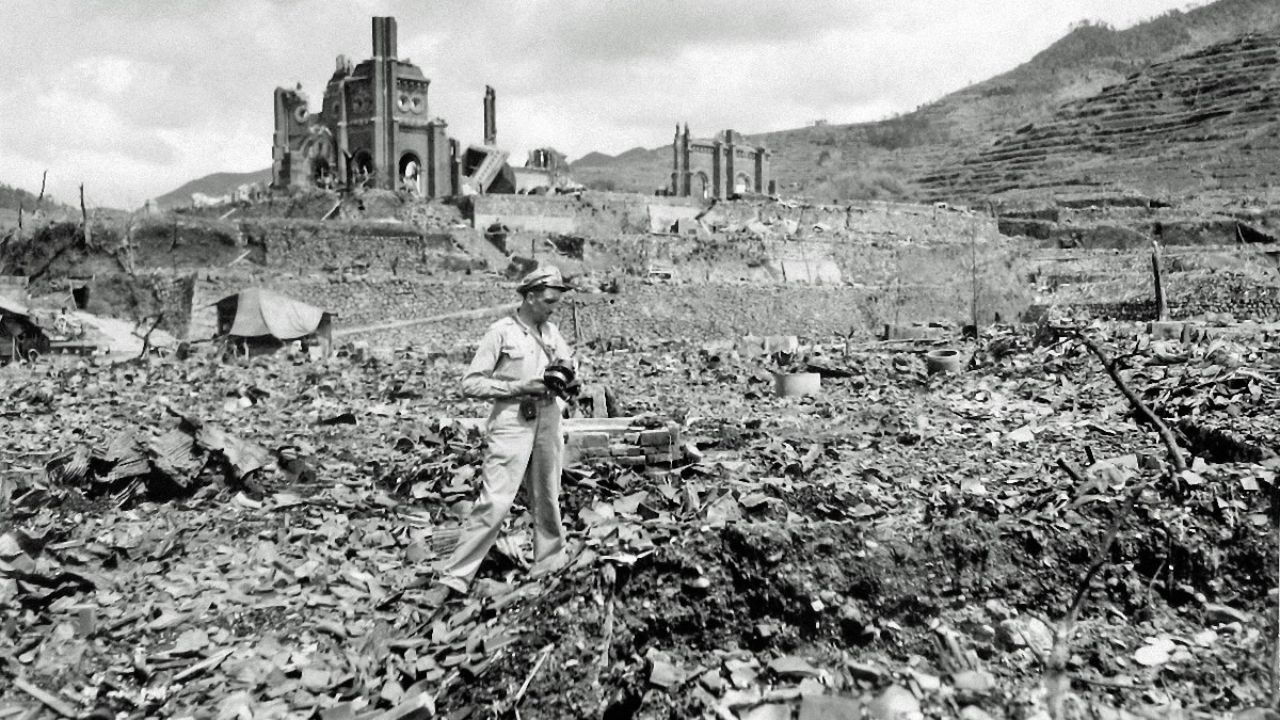
New Delhi: At exactly 11:02 AM on August 9, 1945, a moment unfolded that permanently changed the course of human history. In less than a minute, the Japanese city of Nagasaki was transformed into the site of one of the deadliest attacks ever witnessed and the world entered the frightening era of nuclear warfare.
The explosion was not just the destruction of a city; it marked the beginning of a new age where humanity possessed the power to wipe out entire populations with a single weapon.
Also Read: At 8:15 AM, Everything Changed: 43 Seconds That Destroyed Hiroshima and Changed History Forever
On that morning, a US B-29 bomber named Bockscar carried a nuclear weapon known as “Fat Man” toward Japan. The mission was part of the final phase of World War II.
Nagasaki was not the first choice of target. The original target was Kokura, but thick clouds and poor visibility prevented the bomber crew from carrying out the planned attack. The aircraft then moved toward Nagasaki, changing the fate of thousands of people. A few minutes of weather conditions altered the history of an entire city.
When the bomb exploded over Nagasaki at 11:02 AM, a powerful flash of light and an enormous blast wave swept across the city. Buildings collapsed, fires spread rapidly, and thousands of people were killed instantly.
The explosion destroyed large parts of Nagasaki and left survivors facing unimaginable injuries and suffering.
Those who survived the atomic bombing became known as Hibakusha. Many suffered from severe burns, radiation-related illnesses and lifelong health problems.
For decades, survivors shared their experiences to warn future generations about the devastating consequences of nuclear weapons. Their message remained simple: the destruction caused by nuclear weapons must never be repeated.
The bombing of Nagasaki, along with Hiroshima three days earlier, played a major role in Japan’s decision to surrender in World War II.
Also Read: Why Were the Atomic Bombs Dropped on Japan Named ‘Little Boy’ and ‘Fat Man’?
However, it also triggered a new global reality the nuclear arms race. The United States and the Soviet Union began building massive nuclear arsenals, creating a world where a conflict between major powers could potentially threaten human civilisation.
Decades after Nagasaki, nuclear weapons remain one of the biggest threats facing the world. Rising tensions between nuclear-armed nations, military conflicts and fears of accidental launches continue to raise questions about global security.
Every year on August 9, Nagasaki reminds the world of what happened when nuclear weapons were used against people. At 11:02 AM, history stopped for one city but the warning it left behind continues to echo across the world.
The bomb lasted a second. The consequences lasted generations.

