 English
 English

Hiroshima 1945: What Happened in the 43 Seconds That Destroyed a City (Img: Pinterest)
Hiroshima: At precisely 8:15 AM on August 6, 1945, the world witnessed a moment that humanity would never forget. In a matter of just 43 seconds, the peaceful morning sky over Hiroshima turned into a scene of unimaginable destruction as the United States dropped the first atomic bomb ever used in warfare.
A city full of ordinary people — families preparing for the day, children walking to school, and workers beginning their routines — was suddenly consumed by a blinding flash, a devastating shockwave, and a wave of destruction that changed countless lives forever.
The bombing of Hiroshima was not just the destruction of a city; it was the beginning of the nuclear age and a chilling reminder of how a single weapon could alter the fate of generations. The echoes of that morning continue to be heard decades later through the stories of survivors, the memories of those lost, and the world's ongoing struggle to prevent another such tragedy.
This is the story of the 43 seconds that changed history forever.
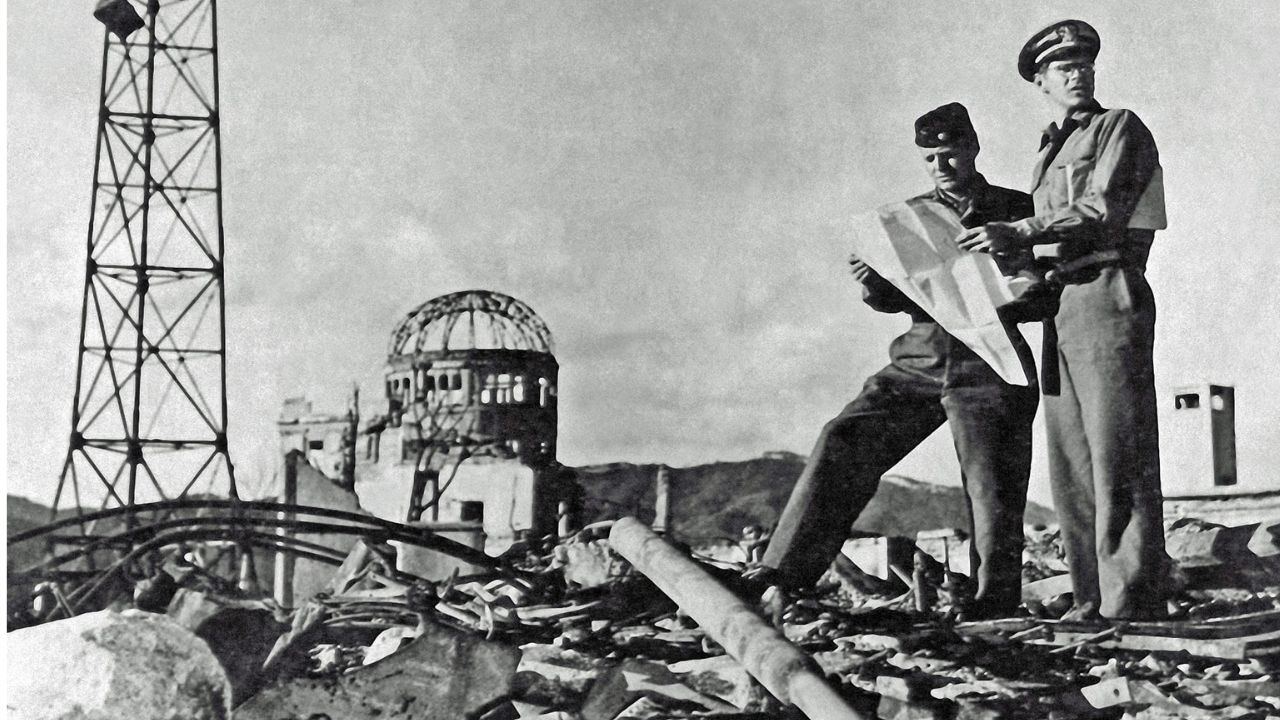
Before the bombing, Hiroshima was a bustling and flourishing city where people were in the process of beginning their activities, students going to school and employees traveling around the city.
At the end of the Second World War, Hiroshima emerged as a significant military center in Japan. The city was chosen as a target of the mission of atomic bombing by Americans because of its strategic value.
An American B-29 bomber called “Enola Gay” loaded with an atomic bomb of Uranium nicknamed “Little Boy” was approaching the city of Hiroshima.
At 8:15, the bomb was dropped from the airplane. It travelled through the air for some time before exploding about 600 metres above the city of Hiroshima.
There was an intense burst of light and heat as the bomb detonated and in the blink of an eye the city was devastated.
A huge shockwave followed the explosion which resulted in widespread destruction in Hiroshima. Many died instantly while others perished from their injuries later on.
These 43 seconds marked the dawn of the nuclear age.
These people were burdened with the heavy weight of their memories for many years to come.
The victims had endured great suffering and physical damage, as well as mental problems caused by radiation and the bombing. They became strong symbols of a call for peace and an appeal to refrain from using nuclear weapons.
The bombing brought to the world generations who suffered from the consequences of nuclear war.
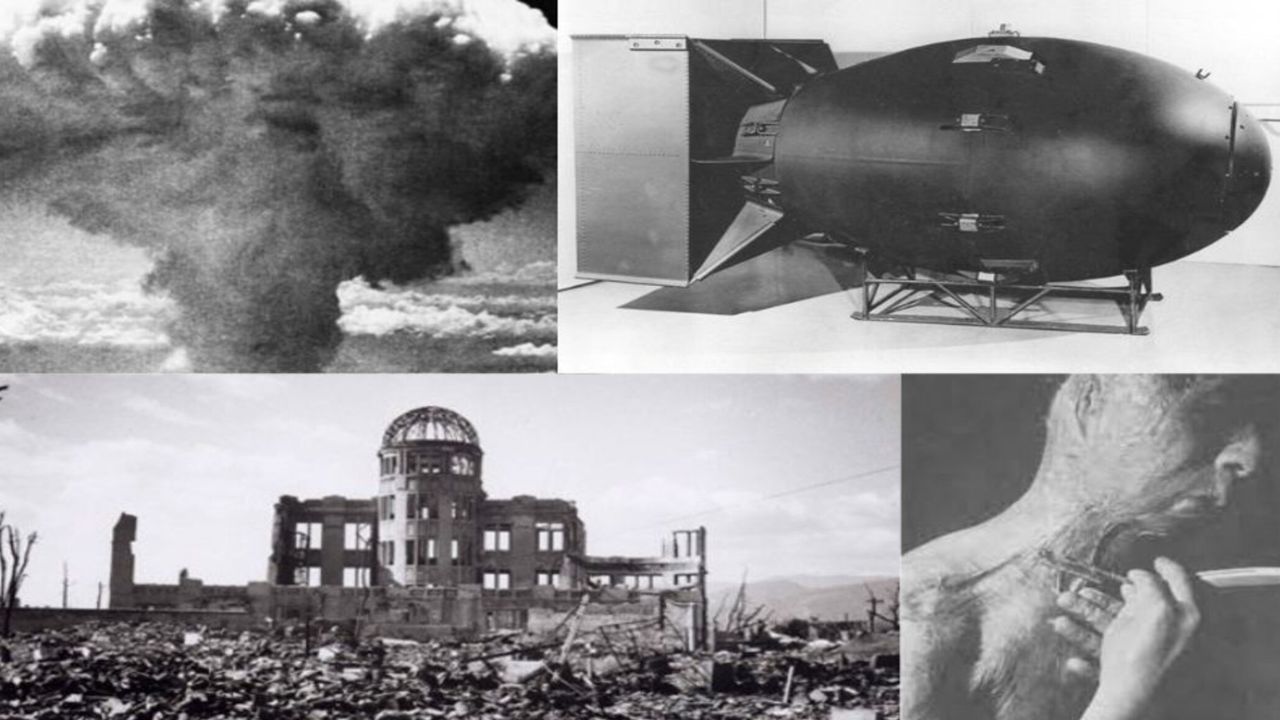
Despite the destruction, Hiroshima managed to recover in the coming years. Hiroshima currently serves as a monument to peace and resilience.
The Hiroshima Peace Memorial Park and the Atomic Bomb Dome ensure that people do not forget about the victims and the effects of war.
Hiroshima Day is commemorated around the globe on August 6 every year to honor those who died and to call for the prevention of future nuclear wars.
Eight decades later, the city of Hiroshima is still one of the greatest lessons in history. In 43 seconds, one bomb, one moment in time, the world was never the same again.
The saga of Hiroshima will always be a reminder to humankind of how long-lasting the effects of war can be, as well as being a great responsibility.
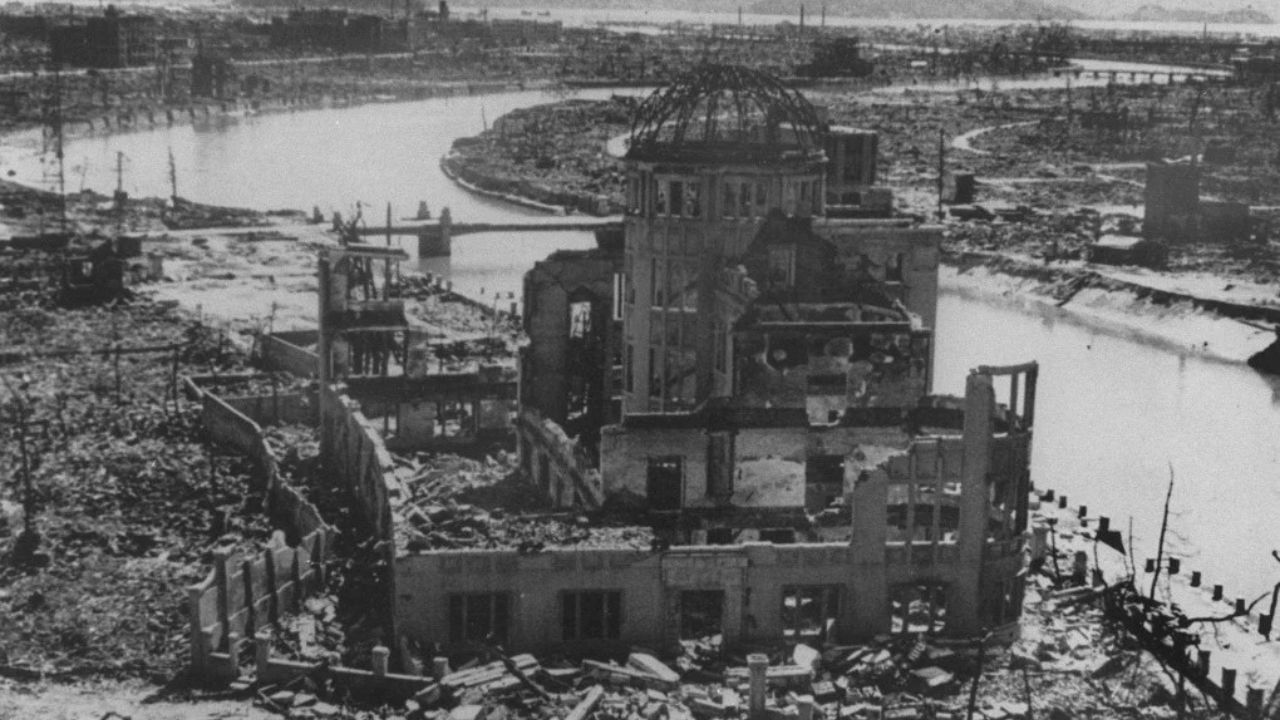
The Hiroshima bombing marked a turning point in the history of warfare. The use of an atomic weapon showed the world the devastating power of nuclear technology and changed how nations viewed military strength. The attack not only ended thousands of lives but also triggered a new era of nuclear competition, global security concerns and debates over the future of warfare.
The impact of the Hiroshima bombing did not end with the explosion. Survivors, known as Hibakusha, faced severe burns, radiation sickness and long-term health complications. Decades later, many continued to suffer from increased risks of cancers, genetic concerns and other radiation-related illnesses. The health consequences of that August morning remain a painful reminder of the lasting human cost of nuclear warfare.