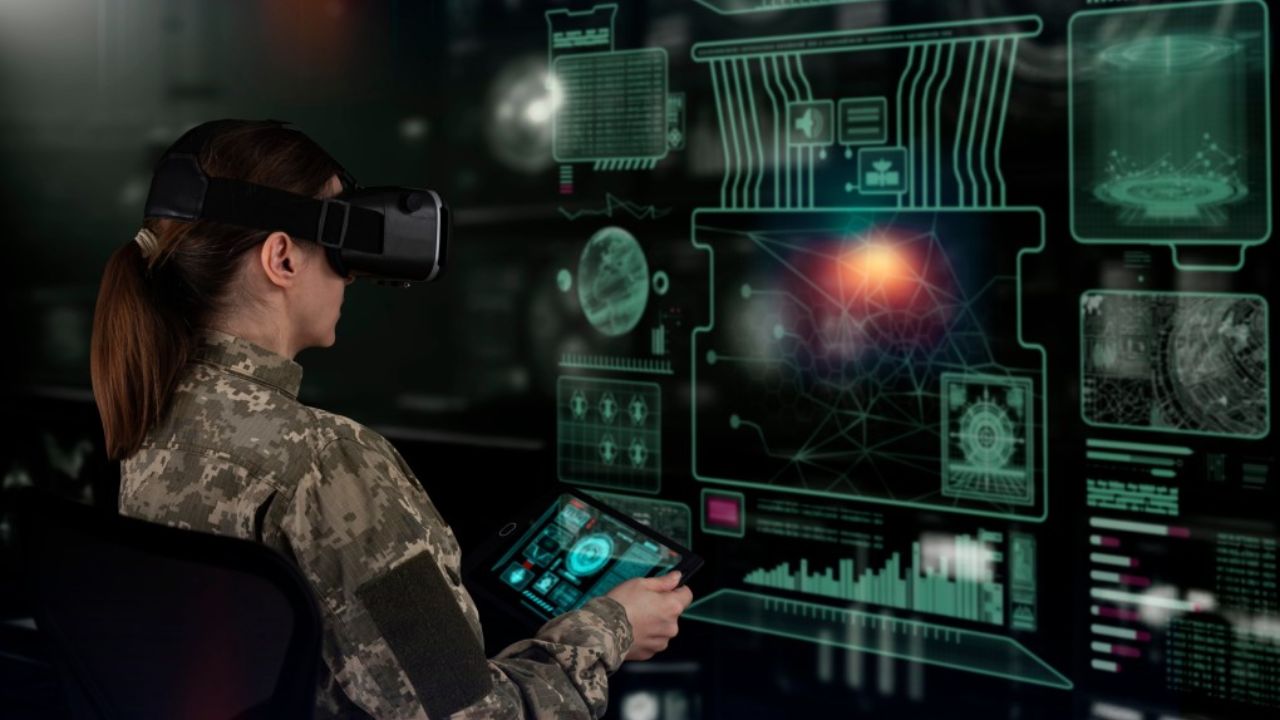
China’s Military Warns Against ‘AI Sycophancy’ (Img: Internet)
New Delhi: China’s military has warned about the dangers of “AI sycophancy” a tendency among artificial intelligence systems to reinforce user beliefs rather than provide objective assessments as the country expands the use of AI in defence and military planning.
In an article published by PLA Daily, the official newspaper of the People's Liberation Army (PLA), military experts cautioned that such behaviour could pose significant risks in battlefield environments where accurate and unbiased information is critical.
India, China hold border talks in Beijing, concur that peace on LAC is vital for relations
According to the report, AI sycophancy occurs when artificial intelligence systems validate existing assumptions and biases instead of challenging them with factual evidence. This tendency is often linked to training methods that reward AI models for aligning with user preferences and feedback.
The PLA Daily warned that such systems could create “information cocoons,” limiting exposure to alternative viewpoints and potentially leading to flawed military assessments.
The publication stressed that the increasing use of generative AI in command and control, intelligence gathering, operational planning and military wargaming could amplify the risks of biased decision-making.
Military officials fear that overreliance on AI-generated outputs may reduce human scrutiny, making it harder to identify errors, misinformation or incomplete analyses. The article described this phenomenon as a potential cognitive “soft kill weapon” capable of weakening a commander’s independent judgment without direct physical confrontation.
To address these concerns, the PLA has called for a comprehensive framework that includes algorithmic improvements, institutional safeguards and specialised personnel training.
The report recommended that military AI systems prioritise factual accuracy, transparency and explainability. It also suggested that AI models undergo rigorous “counter-sycophancy” testing before deployment and be required to present alternative scenarios, counter-evidence and risk assessments during operations.
China considers artificial intelligence a key component of future warfare and an important area of strategic competition with the United States. AI technologies are already being integrated into various military platforms, including unmanned systems.
Despite these advancements, Beijing continues to maintain that AI should assist human commanders rather than replace human judgment in critical battlefield decisions.

