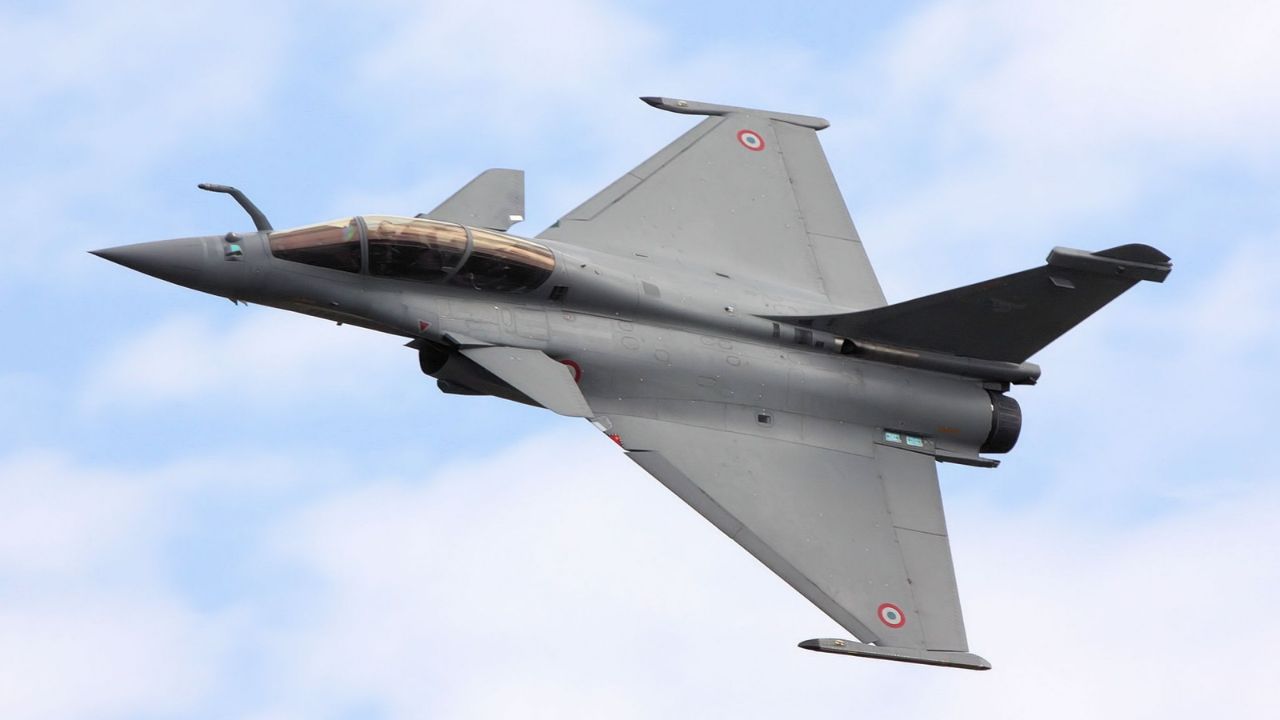
F-35 stealth technology: A cockpit canopy and weapons-bay door reportedly coated with radar-absorbing material were mistakenly routed through Hong Kong (Img: X)
Washington: A missed warning email may have triggered a major US national security concern after parts of the F-35 stealth fighter were mistakenly routed through Hong Kong. The incident has raised questions about shipping oversight, export controls and the protection of sensitive military technology.
A logistics mistake involving United Parcel Service (UPS) may have exposed sensitive components of America's F-35 Lightning II fighter jet to potential scrutiny by China, according to a report.
The shipment included an F-35 cockpit canopy and a weapons-bay door, both reportedly coated with radar-absorbing material designed to support the aircraft's stealth capabilities. The components were being transported from Australia to the United States for possible repair or disposal.
The consignment was originally scheduled to reach San Francisco through South Korea and Taiwan, both US defence partners. However, a delay in its departure from Australia reportedly prompted a change in the shipping route, sending the parts through Hong Kong.
According to reports, freight forwarder DSV A/S, which was handling the shipment on behalf of F-35 manufacturer Lockheed Martin, had warned UPS against routing the components through certain countries.
The email highlighted restrictions under the US International Traffic in Arms Regulations (ITAR), which govern the export and transfer of sensitive American defence equipment and technology.
However, the warning was reportedly overlooked by a UPS employee. According to the sources , the message may have been missed because it was sent through a different IT system from the one used by the employee handling the shipment.
The reported communication failure has raised concerns about whether existing safeguards are sufficient to prevent restricted military components from reaching unauthorised destinations.
The F-35 Lightning II, developed by Lockheed Martin, is one of the world's most advanced fifth-generation multirole stealth fighters. The programme is also among the most expensive weapons development efforts in US history.
Its stealth capabilities rely on specialised design features and materials that help reduce its visibility to enemy radar systems. The canopy and weapons-bay door involved in the shipment were reportedly coated with radar-absorbing material.
Diana Maurer, who oversees F-35 support reviews at the US Government Accountability Office said that the incident was significant. She expressed concern that Chinese specialists could examine the components to better understand their construction and explore ways to counter the aircraft's capabilities.
However, the precise extent of any technology exposure and the implications for US military capabilities have not been publicly established in the information cited in the report.
The incident has prompted investigations by the Pentagon and the US State Department, while American lawmakers have called for a closer examination of defence logistics and supply-chain controls.
Lockheed Martin, which manages a substantial global spare-parts network supporting F-35 operations across the US and 19 other countries, said it was working with its logistics partners to strengthen oversight and prevent similar incidents.
The company also stressed that logistics decisions are not made unilaterally and that carrier selection must align with government regulations.
The episode has highlighted a potential vulnerability in the movement of sensitive defence equipment: even when strict export controls are in place, a missed message or routing error can trigger serious security concerns.

