

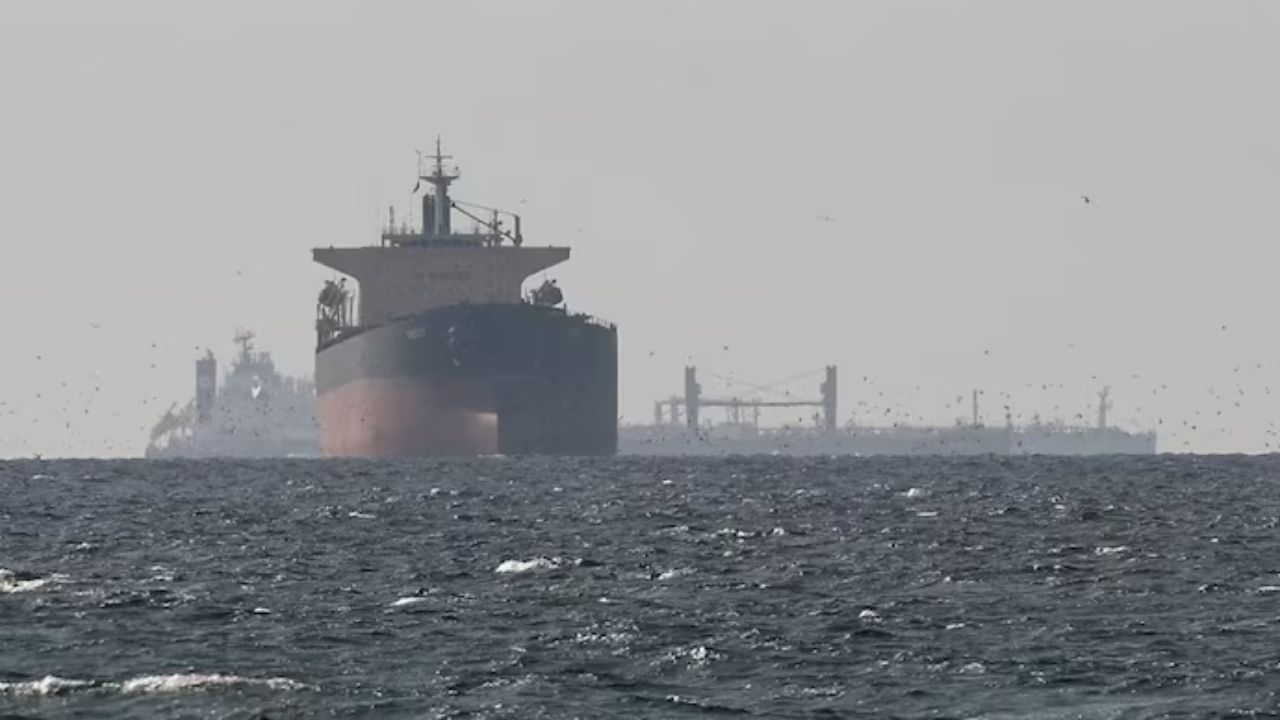
New Delhi: India has received a major diplomatic relief after Iran assured safe passage for Indian oil tankers through the strategically crucial Strait of Hormuz. The assurance reportedly came after a telephonic conversation between India’s External Affairs Minister S. Jaishankar and Iranian Foreign Minister Abbas Araghchi.
The development comes at a time when rising tensions in West Asia have disrupted shipping through the narrow maritime corridor, a key route for global oil trade. The conflict has triggered fears of supply disruptions and volatility in international energy markets.
Iran allows India-Flagged tankers through Strait of Hormuz amid crisis; Click for details
Third Conversation in Two Weeks
According to sources, Jaishankar spoke with Araghchi on March 10 to discuss the evolving security situation in the region and its impact on maritime trade. This was the third conversation between the two leaders in roughly two weeks.
The first interaction took place on February 28, followed by another round of talks on March 5. During the latest discussion, both sides reportedly exchanged views on the ongoing conflict and agreed to stay in close contact.
First Indian-Bound Vessel Crosses Strait
Even as tensions remain high, an India-bound oil tanker successfully navigated the Strait of Hormuz earlier this week. The Liberian-flagged tanker Shenlong Suezmax, captained by an Indian mariner, reached Mumbai port on March 11.
The vessel had departed from Saudi Arabia’s Ras Tanura port on March 1 carrying around 135,335 metric tonnes of crude oil. It crossed the strait on March 8 and briefly disappeared from maritime tracking systems before reappearing a day later, a step believed to be taken to avoid detection in sensitive waters.
Strategic Importance of the Strait
The Strait of Hormuz is one of the most critical global energy chokepoints. Located between Iran and Oman, the 55-kilometre-wide waterway connects the Persian Gulf with the Gulf of Oman and the Arabian Sea.
Roughly 13 million barrels of crude oil pass through this corridor every day, accounting for nearly 31 per cent of global oil shipments. Any disruption to this route can have immediate consequences for international energy markets.
Rising Conflict Fuels Global Concerns
The ongoing military confrontation involving the United States and Israel against Iran has now entered its 13th day, with no immediate signs of de-escalation. Maritime activity in the region has declined significantly as security risks rise.
With global oil prices already under pressure, uninterrupted access to the Strait of Hormuz remains vital for countries heavily dependent on imported energy, including India.