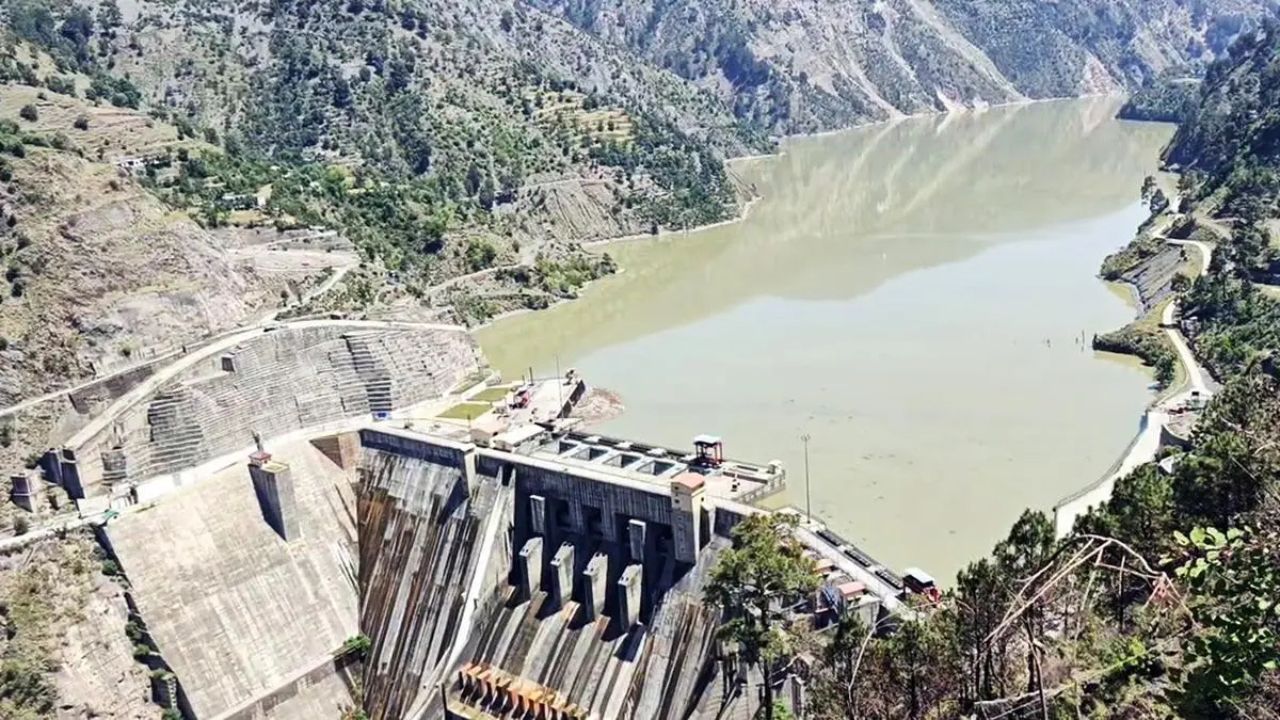
Water scarcity intensifies across Pakistan.
Islamabad: Pakistan is grappling with a rapidly worsening water crisis after India suspended the Indus Waters Treaty in the wake of the Pahalgam terror attack. The move has intensified fears across Pakistan, with the country facing serious shortages that are affecting agriculture, daily life, and overall water security. Deputy Prime Minister and Foreign Minister Ishaq Dar expressed deep concern, warning that the lives of ordinary citizens are now at risk due to the shrinking water supplies.
Ishaq Dar issued a strongly worded statement, accusing India of deliberately undermining the Indus Waters Treaty. He claimed that New Delhi’s decision has exposed Pakistanis to extreme risks, including hunger and thirst, and warned that the situation could escalate into a humanitarian disaster. Dar highlighted that these developments threaten not only regional stability but also the integrity of international agreements, reflecting Islamabad’s growing unease over the water shortage.
Taliban plans Kunar river diversion; Pakistan faces growing water crisis
The suspension of the Indus Waters Treaty followed a major terror attack in Pahalgam on April 22, in which 26 Indian civilians were killed by Pakistan-backed militants. In response, India took decisive steps, including suspending the decades-old water-sharing agreement and launching Operation Sindoor, targeting terror camps and eliminating over 100 terrorists. These actions were part of a broader effort to curb cross-border terrorism and send a strong signal against such attacks.
Dar emphasized that India’s measures have disrupted water flows, putting Pakistan at risk of both drought and flooding. The agricultural sector, which relies heavily on the Indus River system, faces immediate and severe challenges. Water shortages across the Indus basin threaten the livelihoods of millions, and the Deputy Prime Minister warned that continued manipulation of water resources could have dire consequences for the population.
Viral: Bollywood ban broken? Dhurandhar song steals spotlight at Bilawal Bhutto’s party in Pakistan
The Deputy Prime Minister’s comments included a veiled warning, suggesting that further obstruction of water supplies could be interpreted as an act of war. This reflects the intensity of Pakistan’s concern and the rising tensions between the two nations amid the unfolding water crisis. Islamabad appears increasingly anxious as the situation evolves, with fears of widespread humanitarian and economic consequences growing by the day.

