English
 English

India's message since Pahalgam remained consistent
New Delhi: India has reiterated that it does not recognise or participate in proceedings initiated by a Court of Arbitration (CoA) in The Hague under the Indus Waters Treaty (IWT), asserting that the treaty framework itself has been placed in abeyance.
New Delhi’s position comes even as the Hague-based court continues to schedule hearings and issue procedural orders related to disputes raised by Pakistan.
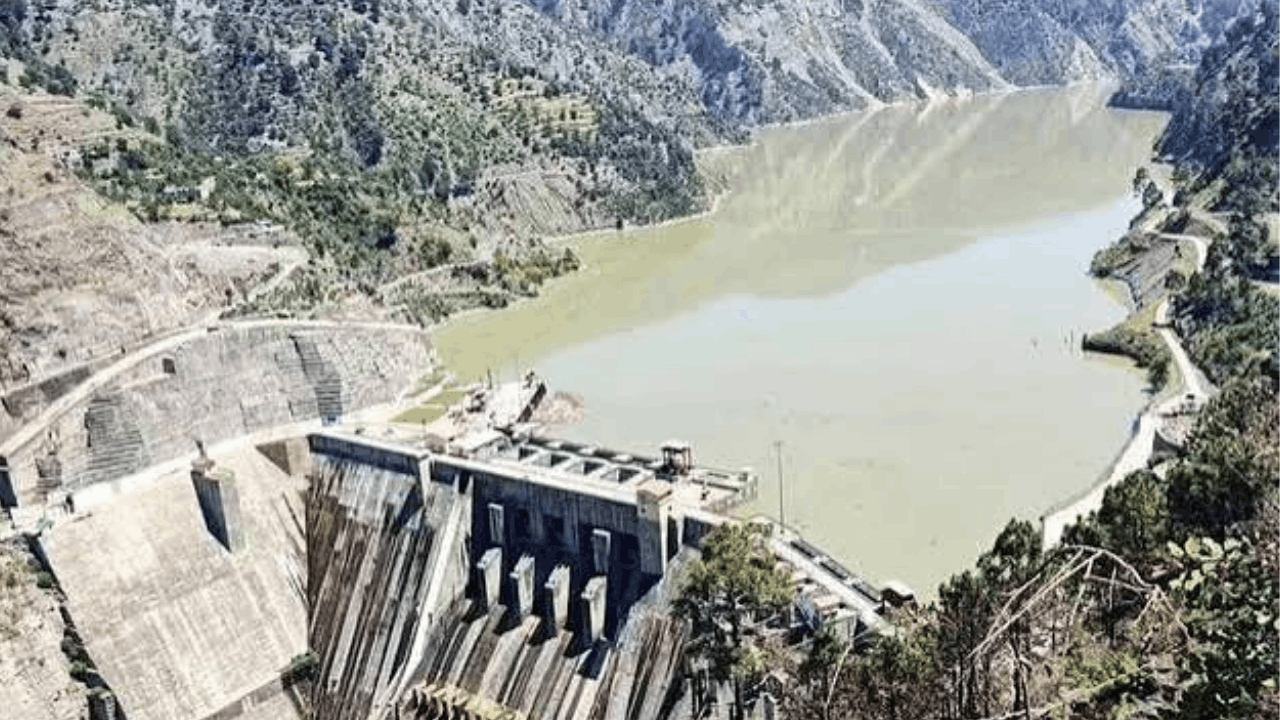
Last week, the Court of Arbitration directed India to submit operational “pondage logbooks” from hydroelectric projects as part of what it termed the second phase of hearings on the merits of the case. The court has scheduled hearings for February 2-3 at the Peace Palace in The Hague and noted that India has neither filed submissions nor indicated participation, as reported by NDTV.
Indian government sources said the CoA has been “illegally constituted” and is conducting parallel proceedings alongside a neutral expert mechanism already in place under the treaty. As a result, India has declined to respond to any communications from the court.
India’s stance traces back to April 23, 2025, when New Delhi formally placed the Indus Waters Treaty in abeyance following a deadly terrorist attack in Pahalgam that killed 26 civilians. Indian authorities linked the suspension of treaty obligations to what they described as Pakistan’s continued use of cross-border terrorism, stating that bilateral cooperation cannot continue under hostile conditions.
This marked the first time since the treaty’s signing in 1960 that India explicitly suspended its operation, fundamentally altering the framework of water cooperation between the two countries.
Since the treaty was placed in abeyance, Pakistan has pursued multiple diplomatic and legal avenues, including approaching international forums and activating dispute resolution mechanisms under the IWT. Islamabad has argued that India’s actions threaten its water security, with the Indus river system supporting the bulk of Pakistan’s agriculture and power generation.
‘Pakistan Can’t Face Us’: Baloch Riflewoman ‘Fidayeen’ Shoots, Smiles, Then Dies; Watch Video
Despite India’s objections, the Hague court has proceeded on the assumption that the treaty remains operational. In recent orders, it stated that India’s decision to suspend the treaty does not affect the court’s jurisdiction.
India maintains that the disputes raised by Pakistan relate to technical matters, which under the IWT should be addressed by a neutral expert rather than a Court of Arbitration. New Delhi has accused Pakistan of “forum shopping” by attempting to elevate technical disagreements into broader legal disputes.
By refusing to engage with the CoA, India is signalling that it will not accept parallel or expanded legal processes under a treaty it considers suspended.