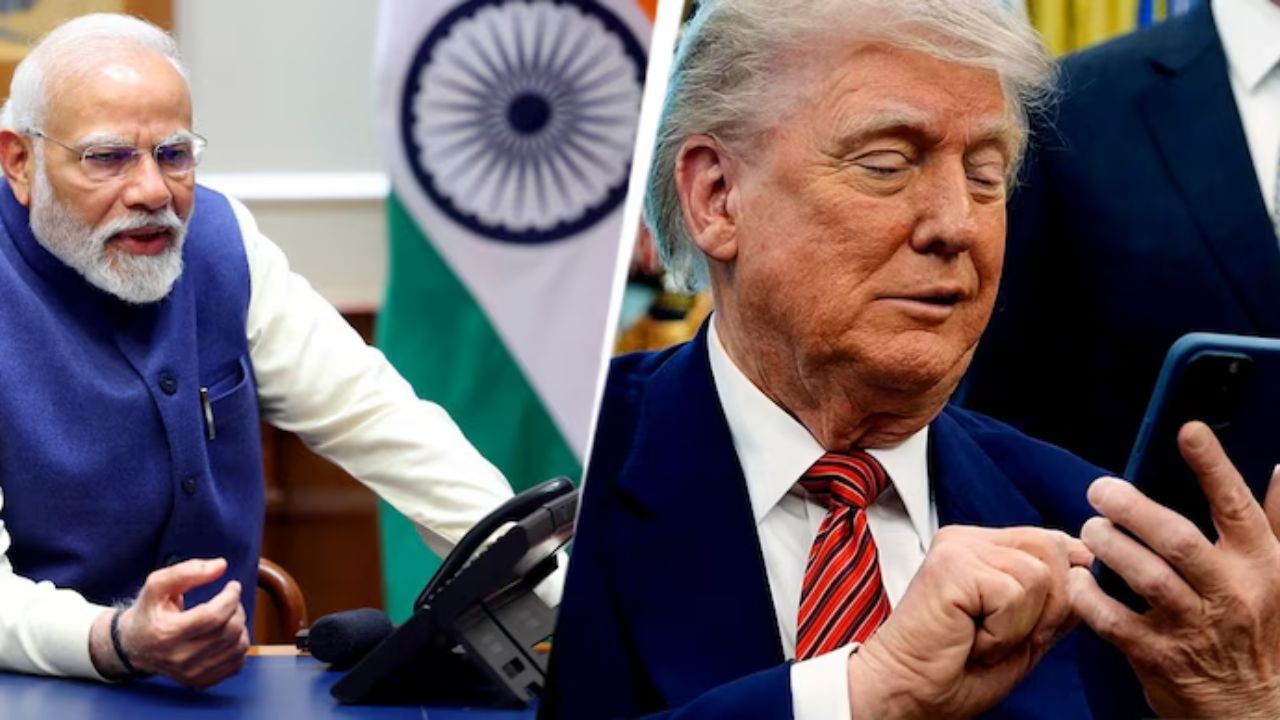
Lutnick's remarks expose the high-level diplomatic friction at play
Washington: A senior aide to former US President Donald Trump has claimed that a highly anticipated trade deal between India and the United States collapsed because Prime Minister Narendra Modi did not make a decisive phone call to Trump.
The revelation by US Commerce Secretary Howard Lutnick has shed light on the diplomatic friction behind stalled negotiations, which are already strained due to US tariffs on Indian imports over discounted Russian oil purchases.
What Greenland holds that Trump wants at any cost? President issues new statement!
In a candid discussion with entrepreneur Chamath Palihapitiya, Lutnick said he had arranged the India-US trade pact and had positioned it ahead of similar agreements with Southeast Asian nations.
“It’s all set up, but I gotta have Modi call the President… they were uncomfortable doing it, so Modi didn’t call,” Lutnick said, calling the missed connection a pivotal reason the deal did not materialize. He added that India ended up “on the wrong side of the see-saw,” despite negotiations that offered significant concessions.
The disclosure follows Trump’s pointed warnings linking trade concessions to India’s energy purchases from Russia. Trump praised Modi as “a very good guy” but made it clear that further purchases of Russian oil could trigger steep tariff hikes.
The United States had already imposed 50% duties on certain Indian imports in August 2025 over similar concerns, framing the tariffs as leverage to curb Russia’s revenues amid the Ukraine conflict.
Trump Warns Iran: “We will strike where it hurts the most” amid protests
India has consistently resisted any rushed deals. Commerce Minister Piyush Goyal stated in October 2025, “We don’t do deals in a hurry, and we don’t do deals with deadlines or with a gun on our head.” New Delhi continues to prioritize market-driven energy security, balancing its economic and strategic interests without yielding to external pressure.
The situation is further complicated by the ‘Sanctioning Russia Act of 2025,’ which requires Trump to impose at least 500% tariffs on countries trading Russian oil or uranium.
If enforced, India could face severe disruptions to its exports. Analysts say the missed Modi-Trump call underscores deeper trust gaps and highlights the delicate balancing act India must maintain between strategic autonomy and economic relations with its largest trading partner.

