Major Social Media and Global News Sites Become Inaccessible in Russia
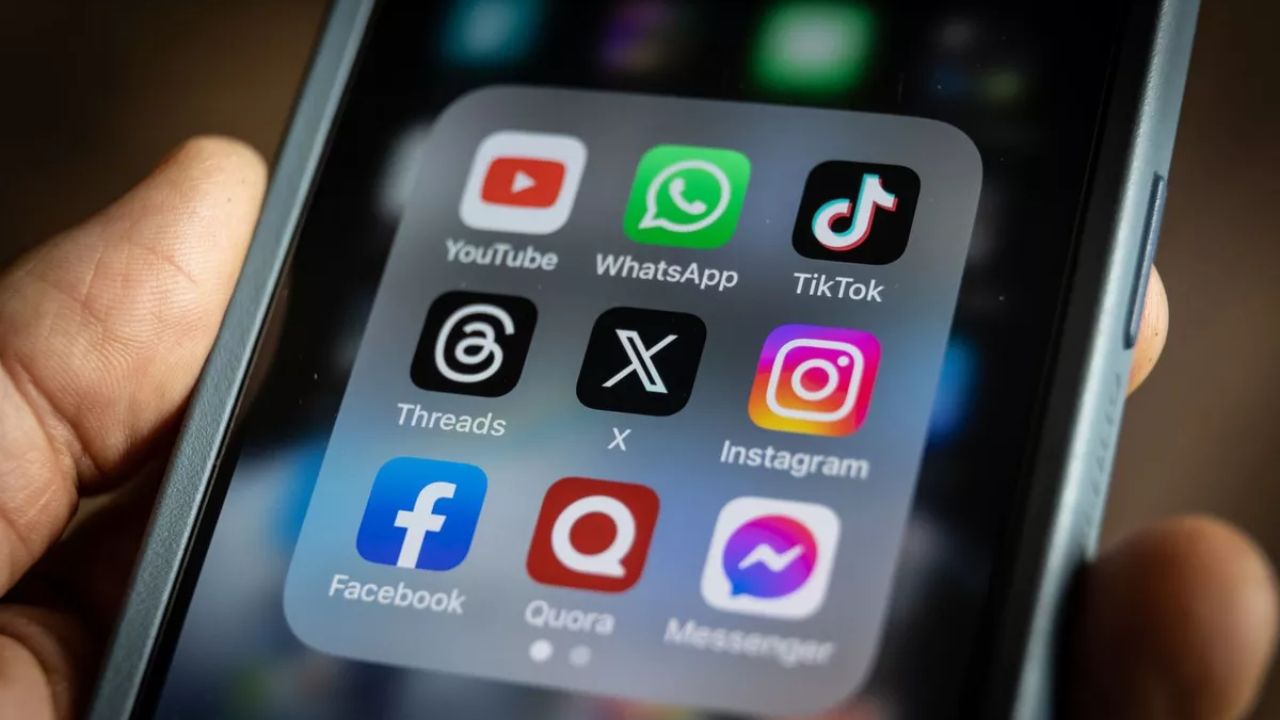
Moscow: Russia has taken a major step regarding the internet and social media. According to media reports, major international platforms like WhatsApp, YouTube, Instagram, and Facebook have suddenly stopped working across the country. It is reported that the domain names of these websites have been removed from Russia's national Domain Name System (DNS), preventing users from accessing these services.
Previously, the speed of some foreign platforms was slowed down in Russia, but this time the situation is different. Under the current action, many websites have become completely invisible. When users try to access these sites, the system cannot locate the corresponding IP address and an error message appears on the screen stating that such a domain does not exist. This clearly indicates that this measure is considered more stringent than before.
Russia hostel knife attack injures 4 Indian students; Embassy steps in
According to reports, not only social media platforms but also the websites of several international media organizations have been affected by this action. These include prominent sites like the BBC, Deutsche Welle, and Radio Free Europe/Radio Liberty. Furthermore, the Tor browser, used for anonymous browsing, has been blocked, making free internet access even more difficult.
Internet service providers in Russia are mandated to use the national DNS system, which operates under the supervision of Roskomnadzor, a government agency that enforces internet control under the "Sovereign Internet" law. Reports indicate that Russia has gradually begun restricting the use of alternative services like Google DNS since 2021, and the latest move is seen as an extension of that process.
Experts believe this action is a major step toward virtually eliminating access to foreign digital platforms and media outlets in Russia. This could cut off people living within the country from global information sources and online services. In the coming times, it will be important to see to what extent Russia takes this policy of internet control and what impact it has on ordinary users.

