English
 English

Iran warns US against fresh strikes as Hormuz tensions deepen (img: X)
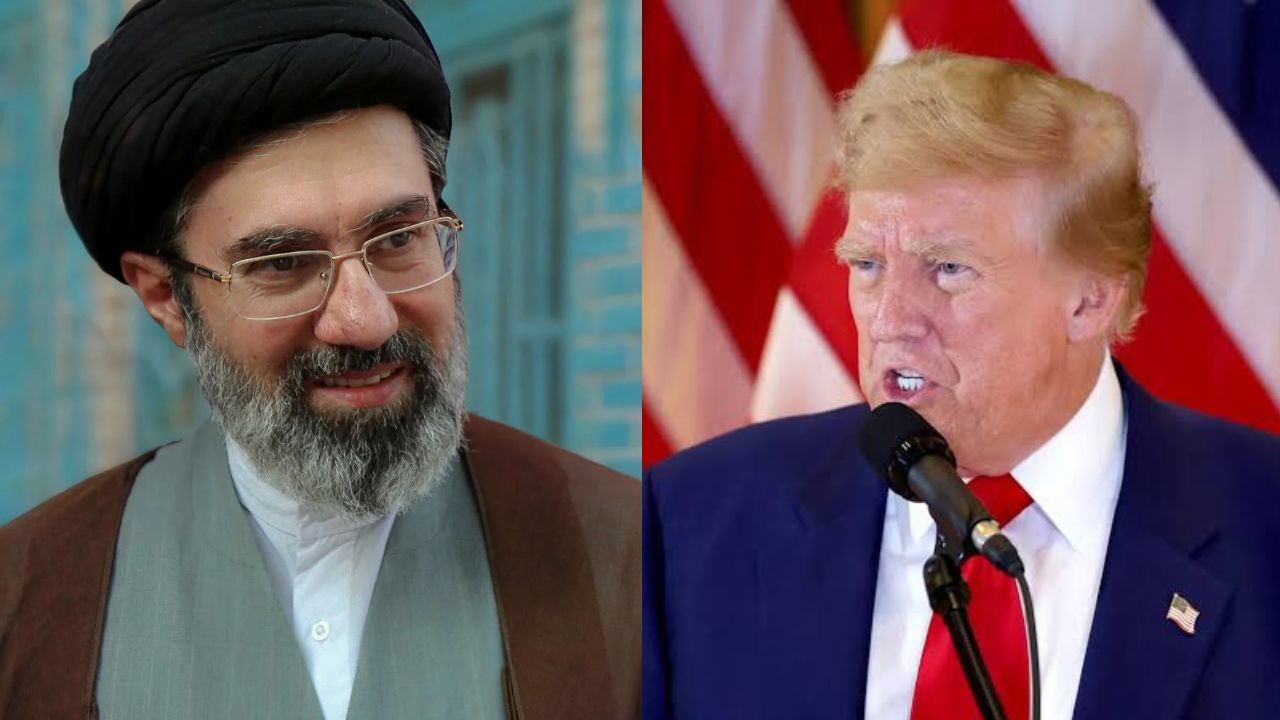
New Delhi: Iran has warned that fresh military strikes by the United States and Israel would not change its policies, particularly over the strategically vital Strait of Hormuz. The warning came hours after US President Donald Trump raised the possibility of renewed attacks while keeping the door open to a diplomatic agreement.
Iranian Foreign Minister Abbas Araghchi described the ongoing conflict as a turning point for regional security and said Tehran was preparing for a new reality. Speaking at a televised event in Tehran, he said, “Whether war happens or not, our policies remain in place."
Araghchi argued that Washington and Tel Aviv would gain nothing from another offensive against Iran, which he said had already faced two attacks.
“If there is any rationality, they will not try military action against Iran again," he said, adding that “nothing will be like it was in the past".
Calling the conflict the “Ramadan War", Araghchi insisted that any settlement must bring an end to hostilities on every front.
“The end of this war must be across all fronts," he said.
Iranian parliament speaker Mohammad Bagher Ghalibaf also accused Washington of miscalculations, arguing that military threats and media pressure would not force Tehran to surrender.
“The Americans entered a quagmire due to their own miscalculations, and it is up to them to take the necessary steps to extricate themselves," Ghalibaf said.
Araghchi said the conflict had fundamentally changed regional security arrangements, including the future of shipping through the Strait of Hormuz, a critical route for global energy supplies.
“The Strait of Hormuz will not be the same as before the 40-day war," he said.
Iran has asserted control over the waterway and targeted vessels attempting to pass without its authorisation. The United States has responded by maintaining a naval counter-blockade on Iranian ports.
Araghchi also claimed Iranian forces had destroyed more than 80 American aircraft and fighter jets during the conflict, alleging that nearly all were struck by missiles while on the ground. He further claimed that Iranian attacks had destroyed nearly all US bases in the region and hundreds of buildings at those facilities, calling for foreign forces to leave.
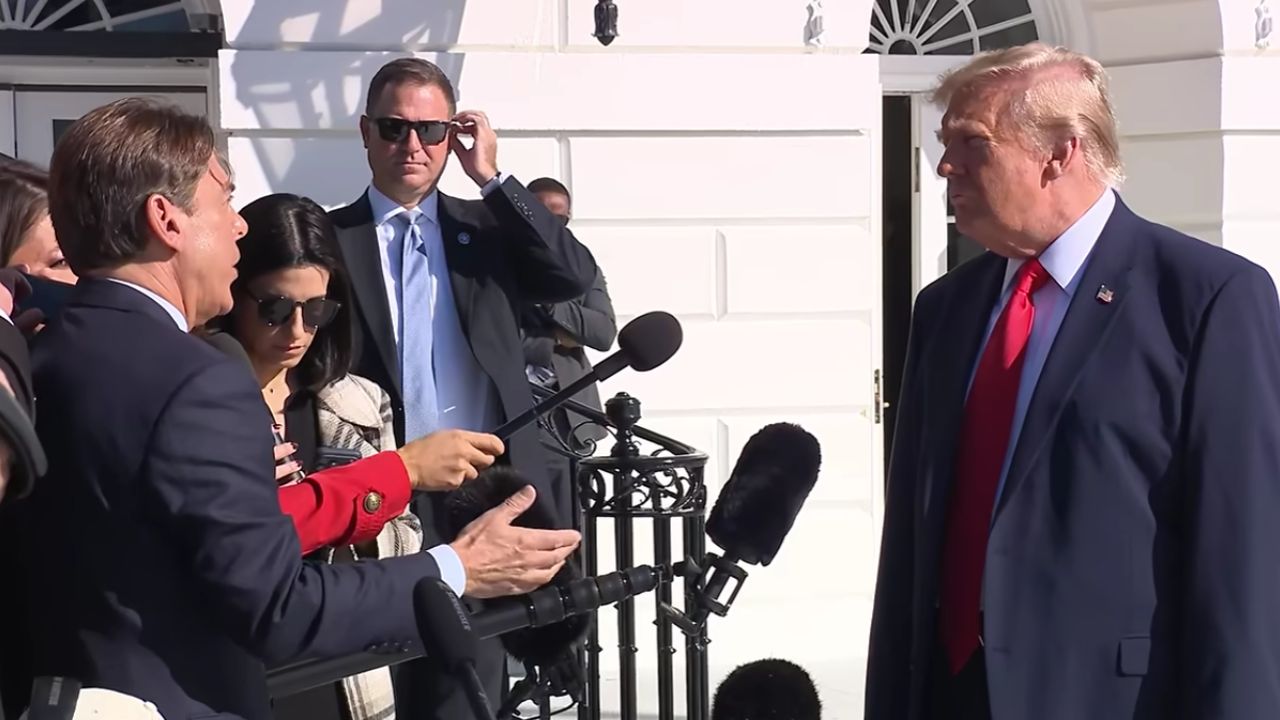
Trump on Saturday suggested that further strikes could take place while indicating that an agreement remained possible.
“Maybe tomorrow… There’s a possibility I will. There’s also a possibility we’ll have a nice, big, beautiful agreement," he said.
He claimed Iran wanted a deal but questioned whether Tehran would honour its terms. Praising the US military campaign, Trump said, “We have done an amazing job. Our Navy and military have done an amazing job," and claimed that 259 ships had been sunk and Iran was experiencing record inflation.
The US and Israel attacked Iran on February 28, killing its Supreme Leader and senior officials. Tehran retaliated against US bases in the Gulf and shut the Strait of Hormuz. A ceasefire on April 8 halted sustained bombardment, but tensions over shipping access and the naval blockade continued.
A diplomatic framework agreed in June later unravelled, with both sides accusing each other of violating its terms. Iran has called for a return to the agreement but denied reports that it offered to reopen the Strait of Hormuz in exchange for the lifting of the US blockade.
Iranian media outlet Tasnim reported that Tehran had made no new proposal through Pakistani mediators. Press TV, citing sources quoted by Tasnim, described reports by a Saudi media outlet about such an offer as “a lie and fabrication".