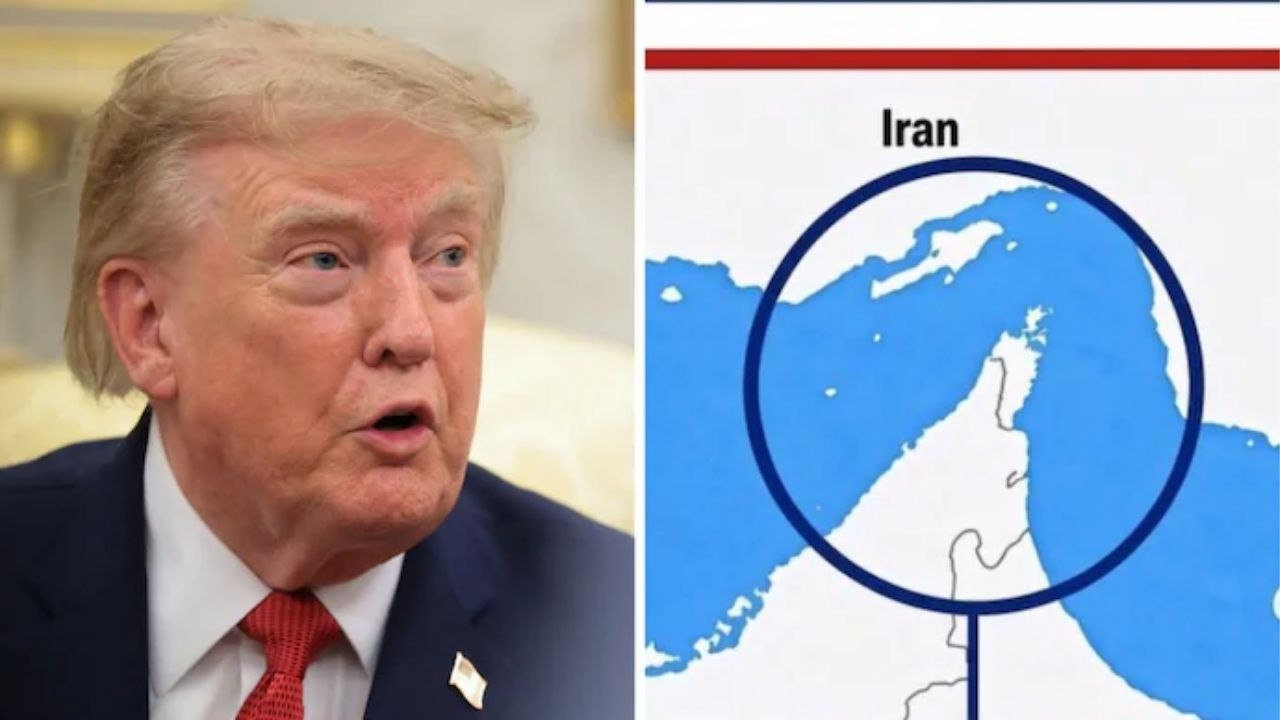
Tehran Defies Sanctions as Hormuz Crisis Deepens (Img: X)
New Delhi: Iran is facing mounting economic pressure as tensions with the United States continue to escalate, with Tehran vowing to resist Washington’s sanctions while keeping diplomatic channels open.
The ongoing conflict has disrupted trade, increased uncertainty around the Strait of Hormuz and added fresh pressure on global energy markets.
Iranian leaders have said that diplomacy cannot come at the cost of national security. Officials described negotiations and military preparedness as “inseparable”, signalling that Tehran is willing to engage in talks but will continue strengthening its defence capabilities.
The statement comes as the US continues its sanctions campaign targeting Iran’s financial networks and oil exports, aiming to limit Tehran’s economic strength.
Iranian President Masoud Pezeshkian has acknowledged the economic impact of the conflict, saying the country’s exports and imports have dropped by nearly 35%.
The decline has affected Iran’s economy, which is already struggling with inflation, currency pressure and restrictions on international trade. Tehran has blamed US sanctions and disruptions around shipping routes for the worsening economic situation.
The Strait of Hormuz remains at the centre of the confrontation between Washington and Tehran. The strategic waterway connects the Persian Gulf with the Gulf of Oman and is one of the world’s most important energy routes.
Iran’s Revolutionary Guard has rejected claims that shipping traffic is operating normally, saying vessels require coordination with Tehran. The US, however, maintains that the waterway remains open for international shipping.
Any prolonged disruption in Hormuz could impact global oil supplies, fuel prices and international markets.
The conflict has also increased financial pressure on Washington. Reports suggest the US has already spent billions on military operations and is seeking additional funding to support defence requirements. With sanctions tightening and regional tensions continuing, both sides are facing economic challenges.
The future of the conflict now depends on whether diplomatic efforts can overcome disagreements over sanctions, military issues and control of regional trade routes. For now, Iran insists it will pursue negotiations but will not compromise on its defence strategy.
Location : Tehran
Published : 29 August 2026, 2:00 PM IST

