 English
 English

Trump-Iran Talks Latest
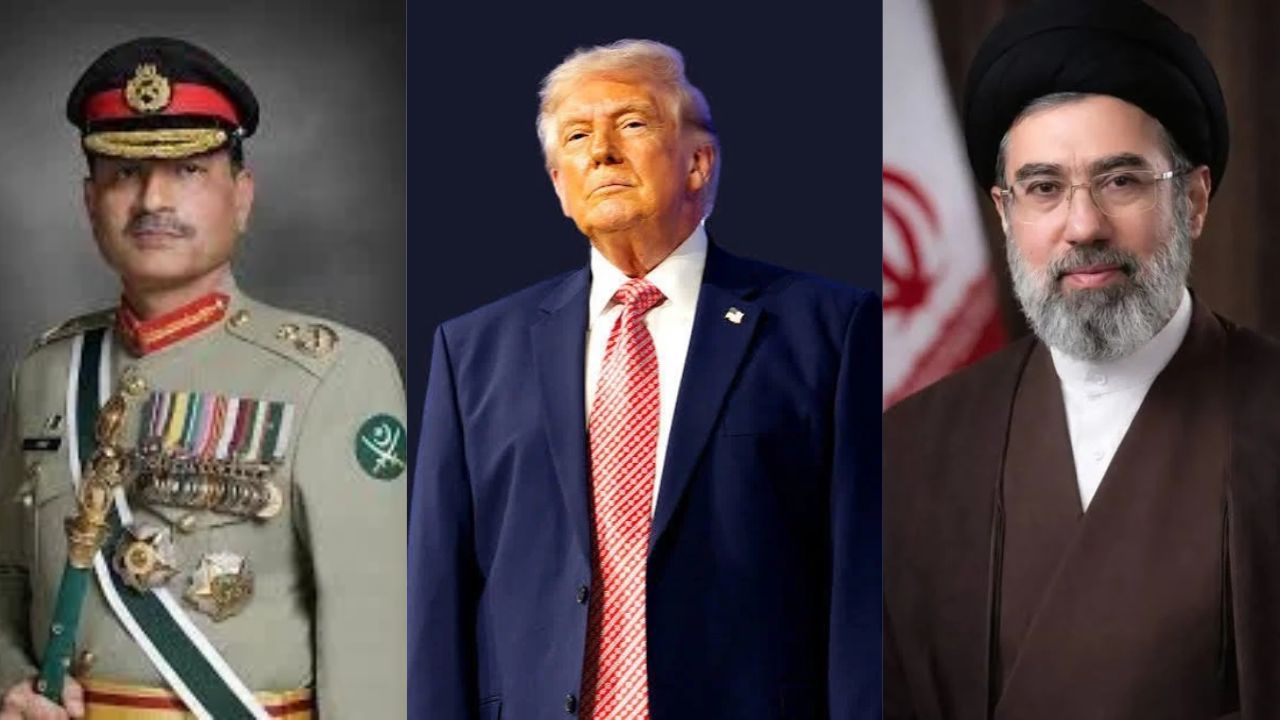
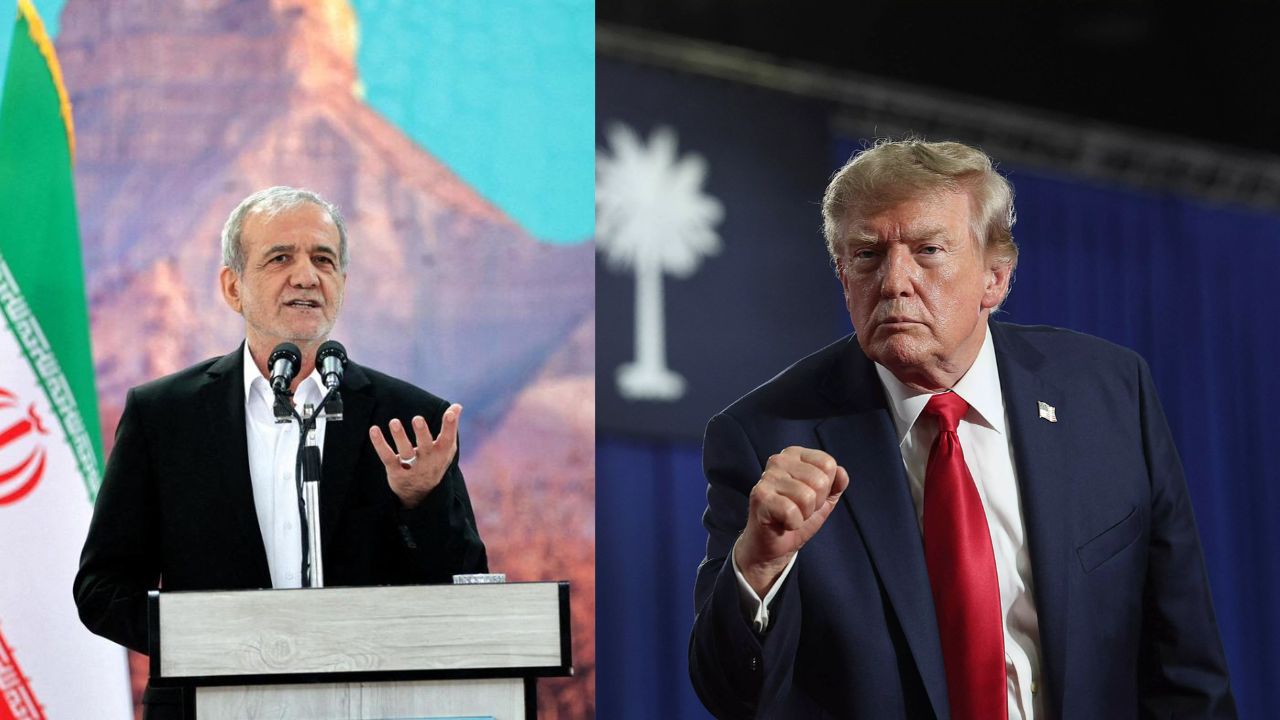
New Delhi: US President Donald Trump has indicated that Washington and Tehran are moving closer to a possible agreement aimed at reducing tensions and ending the ongoing conflict. Speaking on Saturday, Trump said negotiators were “getting a lot closer” to finalising a framework, while Iranian officials also acknowledged progress in discussions.
Despite the optimistic tone, several crucial issues remain unresolved, raising doubts about whether both sides can secure a final breakthrough.
Iran’s nuclear programme continues to dominate the negotiations. The United States has demanded strict limitations on Iran’s uranium enrichment activities and wants Tehran to surrender its stockpile of highly enriched uranium.
According to international estimates, Iran currently possesses significant quantities of uranium enriched up to 60 per cent purity, a level viewed by Western powers as dangerously close to weapons-grade material.
American officials claim both sides have broadly agreed on a framework involving the disposal of Iran’s enriched uranium stockpile. However, Iranian leaders have publicly denied that any final agreement has been reached on the issue.
Another major disagreement concerns whether Iran will be permitted to continue uranium enrichment in the future. While Washington appears open to a phased or interim arrangement, critics within the Republican Party argue that any flexibility could strengthen Tehran strategically.
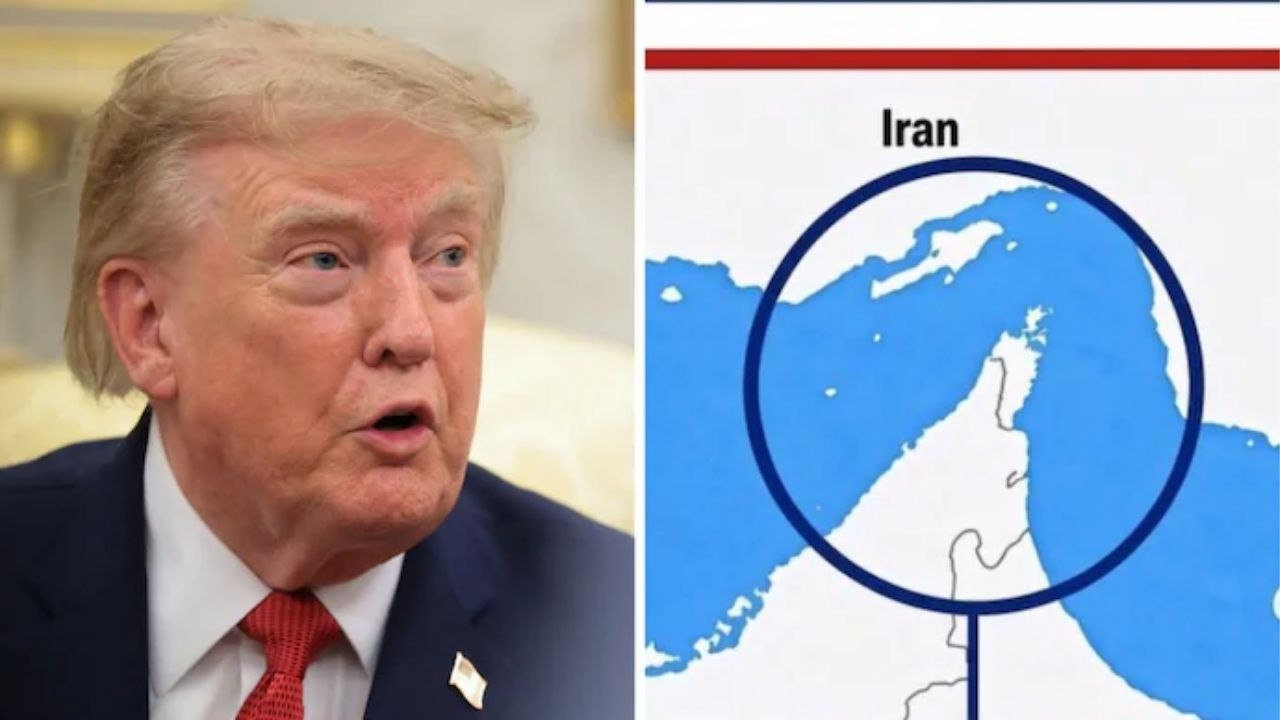
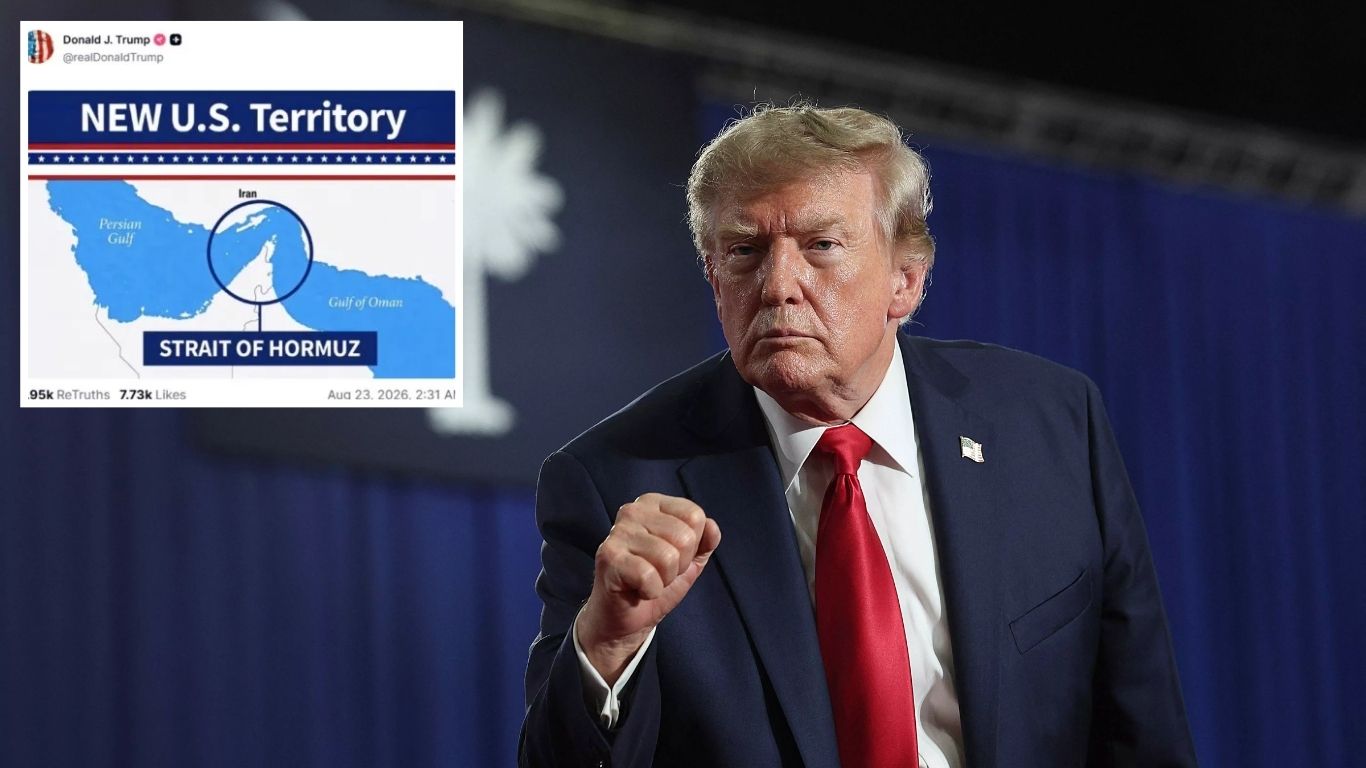
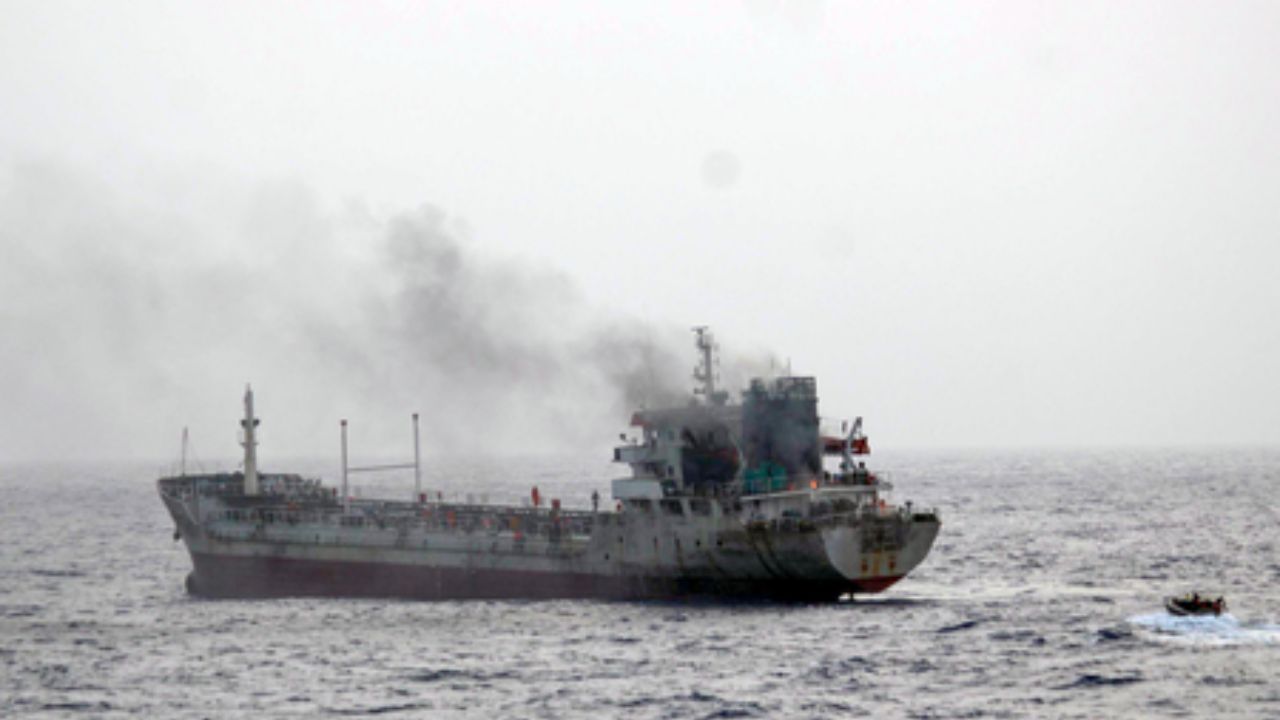
The negotiations also involve the future of the Strait of Hormuz, one of the world’s most important oil shipping routes. Iran reportedly wants the US naval blockade lifted, while Washington seeks guarantees that commercial shipping will remain secure.
Iran is also pushing for access to billions of dollars in frozen overseas assets currently restricted under sanctions. US officials, however, remain cautious and insist sanctions relief would depend on Iran meeting nuclear-related commitments first.
Concerns over Iran’s ballistic missile programme and its regional allies, including Hezbollah, continue to create friction. Critics in both Washington and Israel fear the current discussions focus too narrowly on nuclear issues while leaving Iran’s broader military influence untouched.
Analysts believe these unresolved disputes could still derail negotiations despite recent diplomatic progress.