English
 English

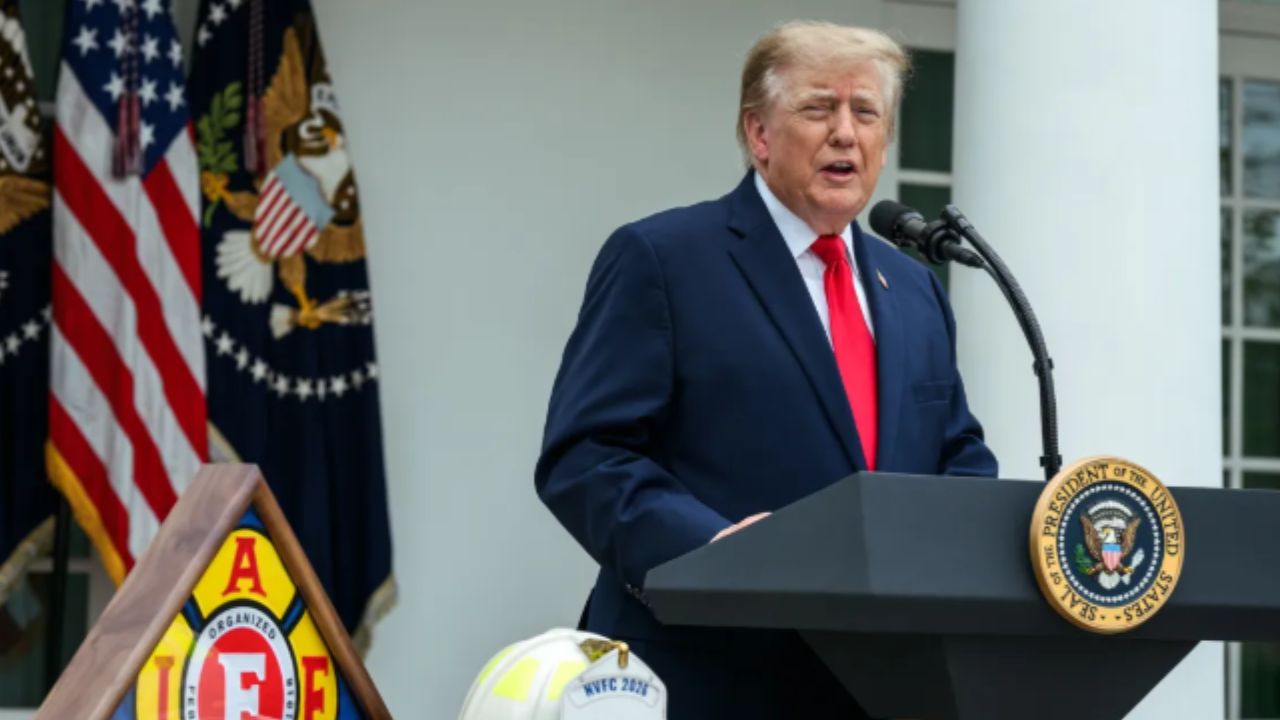
Donald Trump faces a formidable political challenge after Democrats capture both chambers of the US Congress in the 2026 midterm elections. (Img: Pinterest)
Washington: The 2026 US midterm elections have delivered a major political setback to President Donald Trump, with the Democratic Party securing control of both chambers of Congress. The result threatens to constrain Trump’s legislative agenda, intensify congressional scrutiny of his administration and reshape the political landscape ahead of the 2028 presidential election.
Beyond Washington, the outcome could have far-reaching implications for India, particularly in trade, tariffs, crude oil imports, defence cooperation and strategic relations with the United States. A sharp fall in international oil prices following the election has already drawn attention to the possible economic consequences for energy-importing countries such as India.
Senior journalist Manoj Tibrewal Aakash has examined the political and geopolitical implications of the election in his programme, The MTA Speaks, exploring what the Democratic victory could mean for Trump’s remaining two years in office and for India’s economic and strategic interests.
The American midterm elections are not merely a domestic political exercise. As the world's largest economy and a major geopolitical power, developments in the United States have a direct or indirect bearing on international trade, energy markets, financial flows and global security.
The Democratic Party’s victory in both chambers of Congress could influence the trajectory of the US administration’s policies towards Iran, Russia and other strategic partners. It may also intensify scrutiny of Trump's trade policy, including tariffs imposed on foreign goods, while raising questions about the future direction of Washington's economic and military engagement overseas.
For India, the implications are particularly significant. The two countries share extensive economic and strategic ties spanning information technology, pharmaceuticals, defence manufacturing, energy, aerospace, advanced technology and critical supply chains. The changing balance of power in the US Congress could create new opportunities for New Delhi, but it may also introduce fresh complications in areas where Indian and American interests do not fully converge.
To understand the significance of the 2026 results, it is important to examine the structure of the American electoral system.
The President of the United States is elected for a four-year term. Congressional elections, however, take place every two years. The US Congress is bicameral, comprising the House of Representatives and the Senate, and the midterm elections are held halfway through a presidential term.
All 435 seats in the House of Representatives are contested every two years. Members of the House serve two-year terms, making the chamber particularly sensitive to shifts in public opinion and changes in the political mood.
The Senate, in contrast, has 100 members who serve staggered six-year terms. Approximately one-third of its seats are contested every two years. In the 2026 midterm elections, 35 Senate seats were up for election.
President Donald Trump began his second term as the 47th President of the United States in January 2025. Consequently, the November 3, 2026, elections took place midway through his presidency. Voters were not choosing a new President but determining which party would control the legislative branch for the next two years.
Several states also held elections for governorships and state legislative chambers, making the exercise an important political assessment of the President's performance and the popularity of his party across the country.
Before the elections, Republicans held 53 seats in the Senate, while Democrats and senators aligned with their caucus accounted for the remaining 47. The Republican Party also had a narrow majority in the House of Representatives.
The election results transformed that balance. The Associated Press called the Senate for the Democrats on election night, November 3, and declared the House for the party early on November 4. Democrats flipped seven Republican-held Senate seats, securing control of the upper chamber and delivering a significant setback to the Republican Party.
Several traditionally Republican states witnessed closely watched Democratic victories. Texas, Kansas, Iowa, South Carolina, North Carolina and Ohio emerged as important battlegrounds, underlining the extent of the electoral shift.
The Texas Senate contest attracted particular attention. Democrat James Talarico defeated Republican Ken Paxton, delivering a major breakthrough for his party in a state that has remained a Republican stronghold for decades. Talarico's victory was especially significant because Democrats had not won a Texas Senate election in several decades.
Democrats also secured important victories in Kansas and Iowa, while their candidates made gains in South Carolina, North Carolina and Ohio. These results demonstrated that the party had expanded its electoral appeal beyond its traditional strongholds.
In the House of Representatives, Democrats made substantial gains across several competitive districts, including constituencies in Texas, Iowa, Florida, Pennsylvania, Kentucky, Missouri, Nebraska, Ohio and Utah. With some races still awaiting final calls, the central political development was the Democratic Party's successful capture of the chamber.
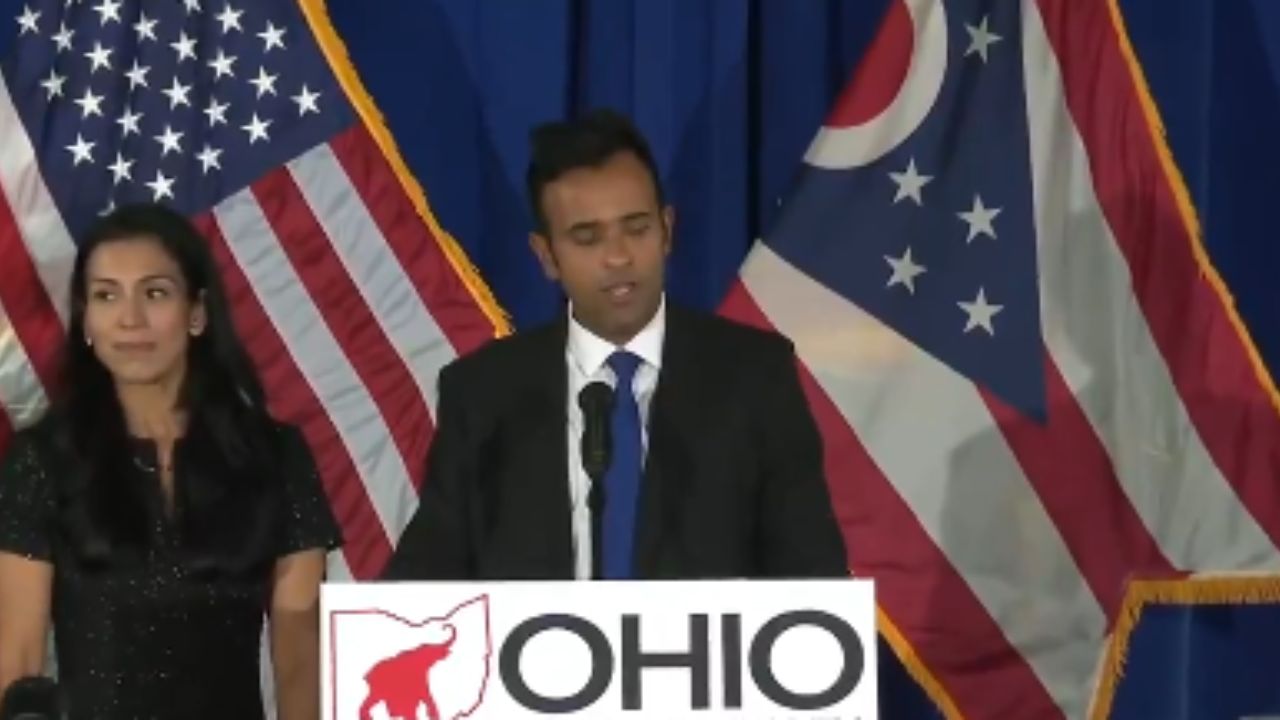
The gubernatorial contests also reflected a broader shift. Democrats registered a net gain in governorships, with particularly significant victories in Texas and Ohio. In Texas, Democrat Gina Hinojosa defeated incumbent Republican Governor Greg Abbott. In Ohio, Democrat Amy Acton defeated Republican Vivek Ramaswamy. The results collectively indicate that the Republican Party faced a wider electoral backlash extending beyond congressional contests.
The most important question following the election is why voters turned against the party controlling the White House. Economic anxiety emerged as a central factor. Inflation, household expenses, housing affordability, healthcare costs, employment concerns and the overall cost of living influenced voter sentiment.
Although economic performance had been a significant component of Trump's political appeal, dissatisfaction over prices and household financial pressures appears to have weakened Republican support.
The AP Voter Poll indicated widespread dissatisfaction with the country's economic direction. A substantial proportion of voters described the economy as performing poorly and said inflation had caused financial hardship for their households. Concerns about government corruption and the administration's priorities also figured prominently in the electoral mood.
Immigration policy and the administration's approach to border enforcement remained contentious issues. However, the economic burden on households, concerns about governance and the conflict involving Iran emerged as significant factors shaping the election.
The war in Iran also became an important political issue. Concerns over military expenditure, the risk of escalation, American casualties and the wider economic consequences of the conflict added to the debate surrounding the administration's foreign policy.
Trump rejected the suggestion that the result represented a personal political defeat and attributed the Republican losses partly to the quality of candidates fielded by his party. Nevertheless, the scale of the Democratic victory has placed his administration under considerable political pressure.
The most immediate consequence of the election will be felt in Washington, where Trump will have to govern with an opposition-controlled Congress during the final two years of his presidency. The US Constitution distributes authority between the executive and legislative branches.
While the President exercises executive powers and directs the federal administration, Congress is responsible for passing legislation, approving federal expenditure and exercising oversight over the government. Democratic control of both chambers will therefore make it substantially more difficult for Trump to advance his legislative priorities without negotiations or political compromises.
The party will control important congressional committees and gain greater authority to summon government officials, examine administrative decisions, conduct hearings and demand documents as part of its oversight responsibilities.
The administration's handling of public funds, executive decisions and policy implementation could face intensified scrutiny. Investigations into the conduct of senior officials and questions concerning financial matters involving Trump's family may also become more prominent in congressional proceedings.
The possibility of impeachment-related proceedings could form part of the political confrontation, although any such move would involve a separate constitutional process and would not automatically result in the President's removal.
The Democratic victory does not mean that Trump's presidential powers have disappeared. The President continues to exercise substantial authority over the executive branch, national security and the conduct of foreign policy. He also retains the constitutional power to veto legislation passed by Congress. A presidential veto can be overridden only if both chambers secure the constitutionally required two-thirds majority.
The President also retains significant influence over trade policy, including tariffs, through executive powers delegated under existing legislation. However, congressional oversight, legislative action and scrutiny of the legal basis for executive decisions could complicate the administration's policy choices.
Congressional control is particularly important in matters involving federal budgets, appropriations, government spending and new legislation. Democrats can use their majority to negotiate, block or reshape legislative proposals and subject the administration's decisions to greater scrutiny.
The outcome is therefore likely to produce a more confrontational relationship between the White House and Congress. Legislative deadlock, disputes over government funding and prolonged political battles could become defining features of the remaining two years of Trump's presidency.
Although the next US presidential election is scheduled for 2028, the midterm results have already altered the political calculations of both parties. For Democrats, control of Congress offers an opportunity to challenge Trump's policies, strengthen their national political profile and develop a platform around economic affordability, governance and accountability.
Congressional hearings and oversight proceedings could give emerging Democratic leaders greater visibility. Several successful candidates and established party figures may use their performance in the new Congress to position themselves for the next presidential nomination contest.
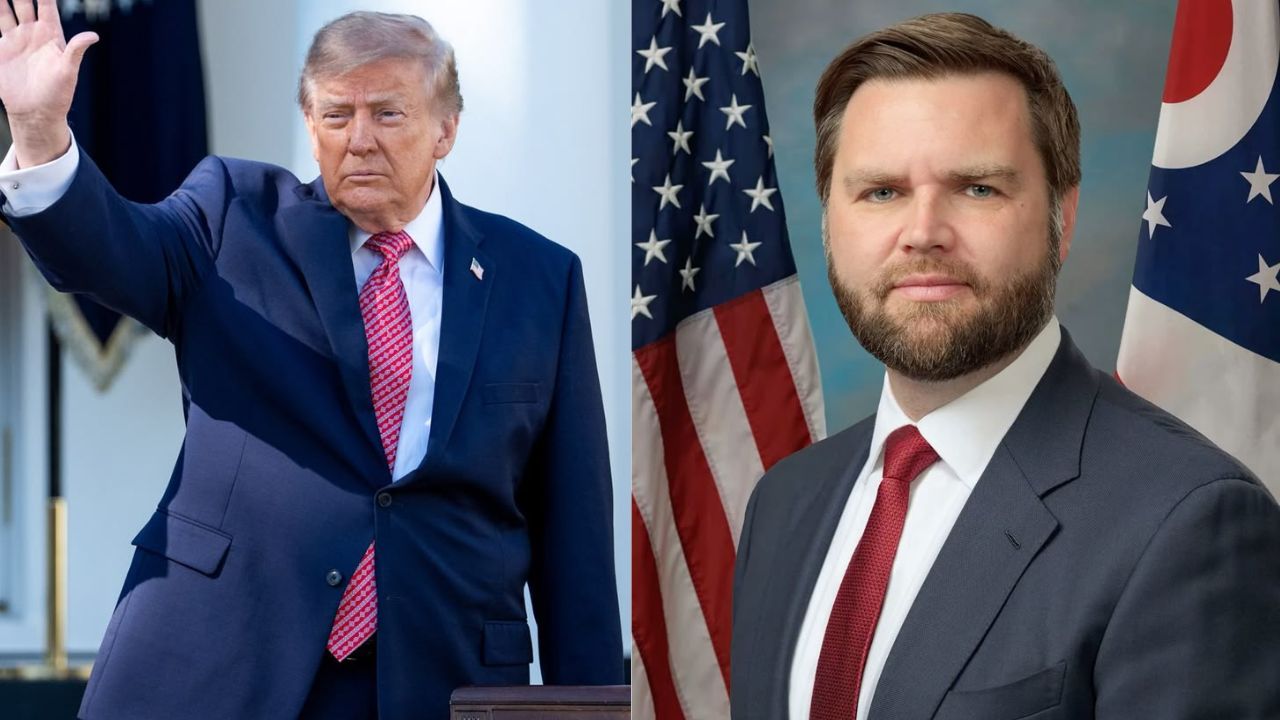
For Republicans, the results raise difficult questions about the party's electoral strategy and its ability to address voters' concerns. The leadership will have to assess whether its economic, immigration and foreign policy positions continue to resonate with a sufficiently broad section of the electorate. The outcome could also complicate the political prospects of Vice President JD Vance and other Republican figures who may be considering a presidential campaign in 2028.
However, the midterm results do not determine the outcome of the next presidential election. Economic conditions, candidate selection, foreign policy developments and the political performance of both parties over the next two years will shape the 2028 contest.
For New Delhi, the change in congressional control is significant because India-US relations extend well beyond diplomatic engagement. The partnership encompasses trade, defence procurement, military cooperation, technology transfer, energy security, investment and strategic coordination in the Indo-Pacific.
The United States is among India's most important trading partners. Indian exports to the American market include information technology services, pharmaceuticals, textiles, engineering goods, electronics, gems and jewellery, while India imports energy products, aircraft, machinery and advanced technology from the US.
The bilateral relationship also supports employment, investment and commercial opportunities for businesses in both countries. A change in the balance of power in Washington could influence the policy environment governing these exchanges. However, the extent of that impact will depend on the interaction between the White House, Congress and the relevant American regulatory and trade institutions.
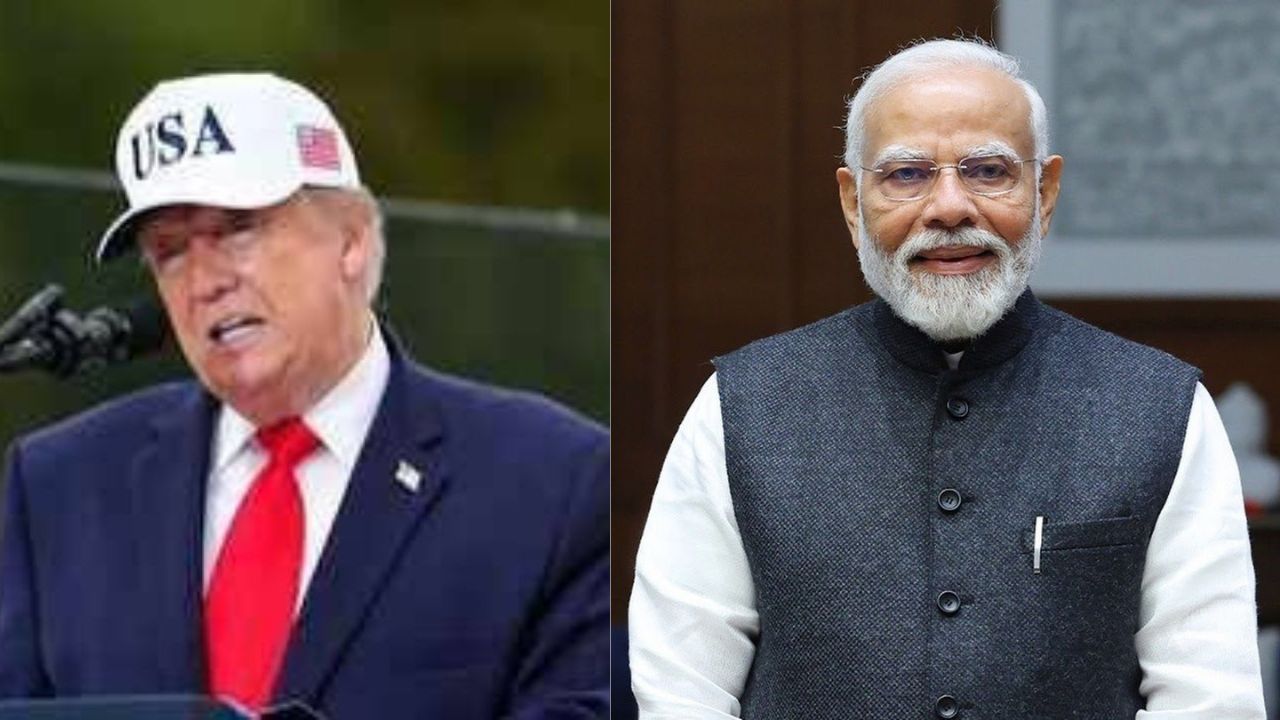
One of the most important areas to watch is the future of Trump's tariff policy. Trade restrictions, import duties and reciprocal tariffs have been recurring points of disagreement between Washington and several of its trading partners, including India. Differences over market access, trade barriers, tariff rates and India's purchase of Russian crude oil have also complicated aspects of the bilateral relationship.
With Democrats controlling both chambers, the administration's trade policy could face more intensive congressional scrutiny. Lawmakers may question the economic rationale, diplomatic consequences and domestic impact of tariffs imposed on foreign trading partners.
For Indian exporters, greater oversight of tariff decisions could create the possibility of a more predictable trade environment. Sectors such as pharmaceuticals, textiles, engineering goods, electronics and gems and jewellery will be watching developments closely.
However, a Democratic majority in Congress does not automatically mean that existing tariffs will be withdrawn. The President retains important executive authority in trade matters, and the legal framework governing tariff decisions can allow the administration to act without obtaining fresh congressional approval in every instance.
The ongoing discussions surrounding an India-US bilateral trade agreement will also remain important. New Delhi will need to assess the implications of changing political dynamics while protecting domestic industry, export competitiveness and its broader economic interests.
The second major area of concern for India is the international energy market. India imports more than 85% of its crude oil requirements, making the domestic economy highly sensitive to fluctuations in global petroleum prices. Changes in crude oil benchmarks influence the country's import bill, inflation, currency stability, current account balance and the finances of oil marketing companies.
The conflict involving the United States, Israel and Iran has heightened uncertainty across the global energy market. The Strait of Hormuz, a strategically critical maritime passage connecting the Persian Gulf with international shipping routes, is particularly important because a substantial share of global oil and liquefied natural gas trade passes through it.
Any disruption to shipping through the strait could affect energy supplies, increase freight and insurance costs and trigger a rise in international crude oil prices. Such an escalation would have serious implications for major oil-importing economies, including India.
Democratic control of Congress could increase pressure on the Trump administration to explain the military and economic costs of the conflict. Lawmakers may seek greater scrutiny of military expenditure, the administration's strategic objectives and the risks associated with further escalation.
However, congressional control alone cannot automatically end a military conflict or compel an immediate change in American foreign policy. The President retains significant authority as commander-in-chief, while Congress exercises important constitutional powers over military funding, appropriations and the broader legal framework governing the use of force.
A negotiated settlement or reduction in hostilities could improve the outlook for energy supplies and reduce the geopolitical risk premium embedded in crude oil prices.
International crude oil prices registered a sharp decline after the election results became clear. On November 4, Brent crude futures settled $8.98, or 8.7%, lower at $94.62 per barrel. US West Texas Intermediate crude also declined by 8.3% to $88.12 per barrel.
The decline reflected market expectations that the Democratic victory could increase political pressure on Trump to seek a negotiated exit from the conflict involving Iran. Investors also reassessed the possibility of further military escalation and the associated risks to global energy supplies.
For India, a sustained decline in crude oil prices could provide significant economic relief. Lower oil prices can reduce the country's petroleum import expenditure, ease pressure on the current account deficit and help contain imported inflation. They can also improve the operating environment for oil marketing companies, depending on domestic fuel pricing and refining margins.
A reduction in crude prices may additionally provide some support to the rupee by lowering the demand for foreign exchange required to finance energy imports.
Nevertheless, the November 4 price movement should not be attributed exclusively to the election result. Global crude prices are influenced by several interconnected factors, including supply-demand conditions, geopolitical developments, production decisions by oil-exporting countries, inventories and expectations about future consumption.
For India, the durability of the decline will matter more than a single day's movement in international benchmarks.
Another important issue concerns India's purchase of Russian crude oil. Over the past few years, Russia has emerged as a major source of crude oil for Indian refiners. The availability of competitively priced Russian supplies has helped diversify India's energy procurement and support its efforts to manage import costs.
However, the geopolitical implications of these purchases have remained a point of friction between New Delhi and Washington.
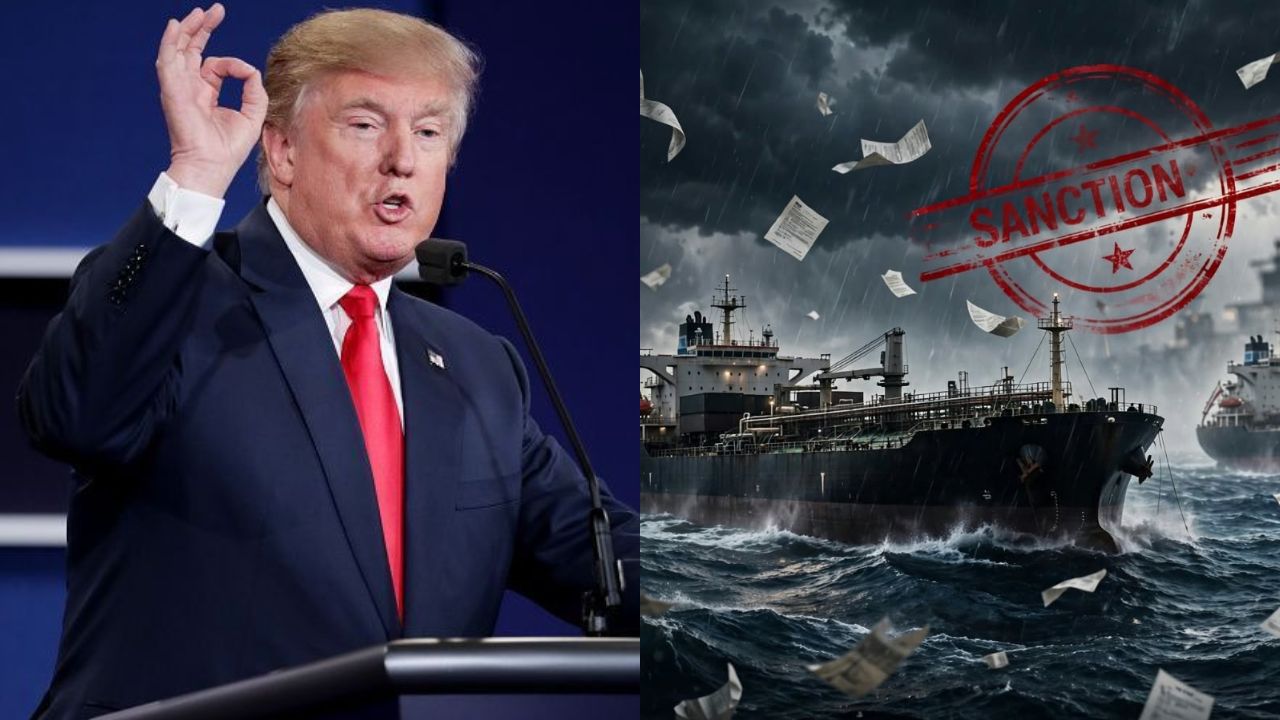
A Democratic-controlled Congress could witness renewed calls for stricter measures against Russia, particularly in response to the continuing geopolitical confrontation involving Moscow and Western countries.
Any expansion of sanctions or restrictions could complicate India's Russian oil procurement through higher compliance costs, payment-related challenges, shipping restrictions, insurance complications and difficulties involving maritime services.
The issue presents a complex strategic dilemma for India. On one hand, lower global oil prices could reduce the country's energy import bill. On the other, tighter restrictions on Russian crude could affect procurement flexibility and increase the cost of securing alternative supplies.
India is likely to continue prioritising energy security, commercial viability and strategic autonomy while maintaining diplomatic engagement with both Washington and Moscow.
The political transition in Washington could also influence global financial markets. Investors are likely to reassess the implications of Democratic control for American fiscal policy, government spending, taxation, trade restrictions and the broader economic outlook.
Movements in US Treasury yields and the dollar index could influence international capital flows, particularly towards emerging markets. If the dollar weakens and US bond yields moderate, Indian equities and other emerging-market assets could become relatively more attractive to foreign portfolio investors. Such a trend could support capital inflows and provide some relief to the rupee.
However, the opposite scenario cannot be ruled out. A prolonged confrontation between the White House and Congress over government spending, budgetary approvals and the federal debt ceiling could create uncertainty in financial markets.
Investors will also monitor the US Federal Reserve's monetary policy decisions, inflation trends and economic growth indicators. These factors, rather than election results alone, will determine the direction of the dollar, bond yields and global investment flows. For India, the impact will depend on how international investors interpret the evolving American policy environment and its implications for global growth.
The Indian information technology industry is another important area of potential impact. The United States remains one of the largest markets for Indian IT services companies. Technology spending by American businesses, demand for digital transformation, artificial intelligence adoption and outsourcing decisions influence the revenue prospects of Indian technology firms.
Changes in American economic policy and corporate investment patterns could therefore have consequences for India's IT services industry. Immigration and visa regulations will also remain important. Indian technology professionals and companies closely monitor developments concerning work visas, skilled migration and the regulatory environment governing cross-border movement of talent.
A Democratic-controlled Congress may seek to examine immigration policies and employment-related regulations, but any substantial changes will depend on legislative negotiations, executive decisions and the wider political climate.
The future of US investment in artificial intelligence, semiconductor manufacturing, cloud infrastructure and advanced technology will also matter for Indian companies seeking to expand their presence in the American market.
Defence and strategic cooperation remain central pillars of the India-US relationship. The two countries have expanded military engagement, defence procurement, technology cooperation and coordination in the Indo-Pacific region. The American political system has historically seen bipartisan support for strengthening ties with India, particularly in the context of regional security and the strategic balance in the Indo-Pacific.
A Democratic-controlled Congress could influence defence appropriations, arms sales oversight and legislation concerning technology transfers. However, it would be premature to assume that the change in congressional control will automatically disrupt the broader defence partnership. Cooperation in maritime security, defence manufacturing, intelligence sharing, aerospace and emerging technologies is likely to remain important for both countries.
At the same time, differences over Russia, trade restrictions and India's independent foreign policy choices may continue to require careful diplomatic management. For New Delhi, the priority will be to preserve the strategic depth of the partnership while ensuring that bilateral disagreements do not undermine long-term cooperation.
The 2026 US midterm elections have fundamentally altered the political environment in which Donald Trump will govern during the final two years of his presidency. The Republican Party's loss of control over both chambers of Congress represents a significant electoral rebuke and gives Democrats an opportunity to intensify legislative opposition and oversight of the administration.
The immediate challenges for Trump will include managing congressional resistance over federal spending, trade policy, the Iran conflict, sanctions against Russia and other major domestic and international issues.
For India, the consequences are neither entirely favourable nor uniformly negative. A sustained decline in crude oil prices, the possibility of greater scrutiny of American tariff policy and changes in global capital flows could create economic opportunities. At the same time, tougher sanctions against Russia, uncertainty surrounding the India-US trade agreement and geopolitical tensions could complicate New Delhi's policy choices.
The central question is whether Trump can use his executive authority and political influence to advance his agenda despite a Congress controlled by Democrats, or whether the next two years will be marked by legislative confrontation and institutional deadlock.
For the Democratic Party, the challenge will be to convert its midterm success into a credible national platform ahead of 2028. For India, the task will be to navigate the evolving political equation in Washington while protecting its trade, energy and strategic interests.
The elections may have taken place in the United States, but their consequences could extend far beyond Washington, influencing India's economic calculations, global energy markets and the wider geopolitical landscape.