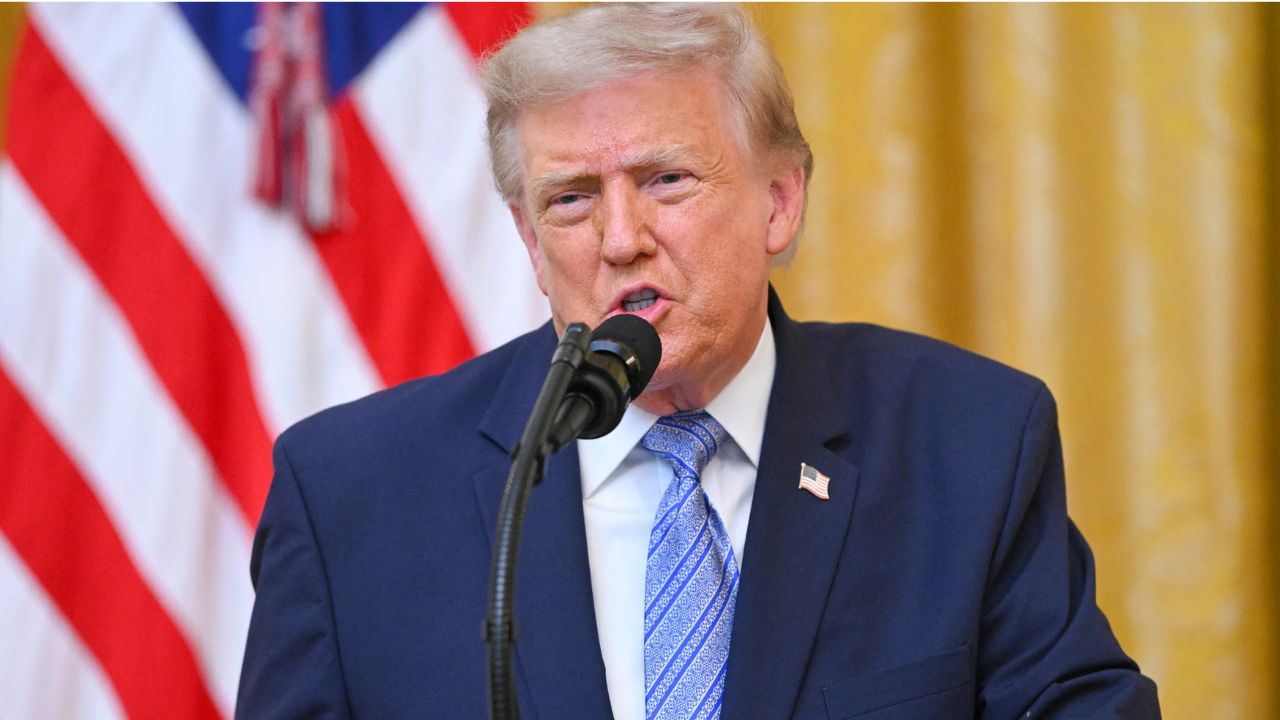
US President Trump imposes 10% Tariff on India, Trade Deal Talks Continue (Img: Pintereest)
New Delhi: The United States has imposed a 10% tariff on imports from India under a Section 301 investigation into alleged forced labour practices. The decision, announced by the US Trade Representative (USTR), is lower than the previously proposed 12.5% rate but adds another challenge to ongoing India-US trade negotiations.
With the new measure, India joins countries including Pakistan, Bangladesh and Sri Lanka, which are also subject to a 10% tariff. The action is part of a wider US move affecting around 60 countries that Washington says have not sufficiently prevented the import of goods allegedly produced through forced labour.
US Trade Representative Jamieson Greer said the decision aims to address both human rights concerns and trade distortions while encouraging trading partners to strengthen enforcement against forced labour.
The tariffs stem from a Section 301 investigation launched earlier this year. Unlike temporary tariff measures, Section 301 duties do not have an expiry date and can remain in force unless modified or withdrawn after review.
India is also facing a separate Section 301 investigation related to alleged excess manufacturing capacity, which is still under examination.
The tariff announcement comes as New Delhi and Washington continue discussions on an interim trade agreement. Both sides have been working toward reducing trade barriers and expanding market access, although the latest tariff decision could complicate negotiations.
Also Read: Trump: US-Saudi Nuclear Deal Only If Saudi Arabia Joins Abraham Accords
Indian officials have maintained that the country has strong constitutional and legal safeguards against forced labour and defended its record during the US consultation process.
Trade experts say India's export competitiveness will depend not only on the current tariff but also on the outcome of the second Section 301 investigation. If competing exporters eventually face lower overall tariff rates, Indian products could lose some of their pricing advantage in the US market despite progress in bilateral trade discussions.
The 10% tariff was imposed following a months-long investigation into forced labour practices.
The Section 301 investigations allow the United States to impose retaliatory trade measures against countries found engaging in unfair or discriminatory practices.
India could have faced a 12.5% tariff under the forced labour investigation before securing a lower 10% rate.
If competitors like Pakistan and Sri Lanka secure lower overall tariff rates, India could lose its competitive advantage in exports to the US market.

